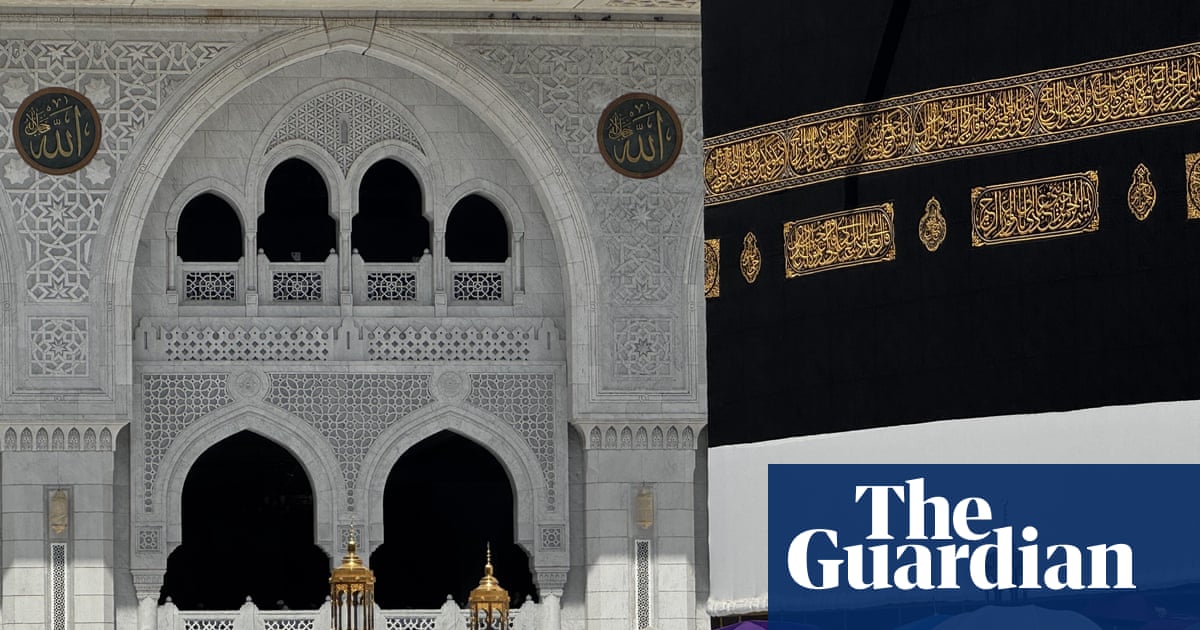
Global heating has changed Mecca’s climate, bringing extreme heat to months outside summer. Carbon dioxide emissions from fossil fuels are linked to scorching temperatures around 40C that now occur regularly in May. Historically, such peaks were mostly limited to summer. Without rapid fossil-fuel transition, hajj would face dangerous heat for almost the entire year by the end of the century. Hajj occurs on the Islamic lunar calendar, so it shifts earlier each year, and pilgrims walk long distances outdoors over several days. In 2024, more than 1,300 pilgrims died from extreme heat and humidity. Saudi Arabia has implemented heat action plans, including shaded walkways, cooling stations, misting systems, and expanded medical services, reducing heat-related illness cases, but more than reactive measures is needed.
"Global heating has fundamentally altered the climate of Mecca and is exposing millions of hajj pilgrims to extreme and dangerous heat even in months outside summer, new analysis has found. Carbon dioxide emissions from fossil fuels means scorching temperatures of 40C (104F) are now regularly experienced in May, the study showed. In past decades, such peaks would only have occurred in summer."
"The researchers said that hajj, the annual Islamic pilgrimage to Mecca, would take place amid dangerous heat almost all year round by the end of the century without a rapid transition away from fossil fuels. Hajj follows the Islamic lunar calendar, which means it falls earlier each successive year. All Muslims able to do so are expected to make the pilgrimage at least once in their lives, which involves walking long distances outside over five days."
"May has historically been cooler, with 40C temperatures rare. However, the analysis found that 40C is now expected in May once every two to three years as a result of the climate crisis. The average temperature for May is now 3.5C hotter than before human-caused global heating. The result is that hajj in May is now as dangerous as the height of summer used to be, said the scientists from the World Weather Attribution group."
"The Saudi authorities have introduced heat action plans, including shaded walkways, cooling stations, misting systems and expanded medical services, which have helped reduce cases of heat-related illnesses among pilgrims. However, this requires more than just reactive mitigation, said Prof Friederike Otto at Imperial College London, who is an author of the study"
Read at www.theguardian.com
Unable to calculate read time
Collection
[
|
...
]