"When people think of China imports, they think of finished goods like EVs [electric vehicles] but that is not where the problem is. It is the sheer volume of components being imported from China. If anything, Europe is getting more dependent on China. As China components are embedded deeper and deeper into the EU's industrial bloodstream, the EU is facing stark choices."
"According to a report in the Financial Times this week, the bloc is considering forcing European companies to buy critical components from at least three different suppliers. European commissioners will meet on 29 May for urgent talks on what measures they can take."
"State subsidies that would be unfeasible in Europe were one factor making Chinese products cheaper, Richtberg said. But the bigger worry is changes in the exchange rate over the past five years, which Jurgen Matthes, a German economist, said could have left the yuan 40% undervalued against the euro, leaving procurement bosses with little choice on a day-to-day business level."
"It referred to the impact of China bursting on to the global trade stage after becoming a member of the World Trade Organization, with soaring imports displacing local industries and causing the loss of up to 2.5m jobs."
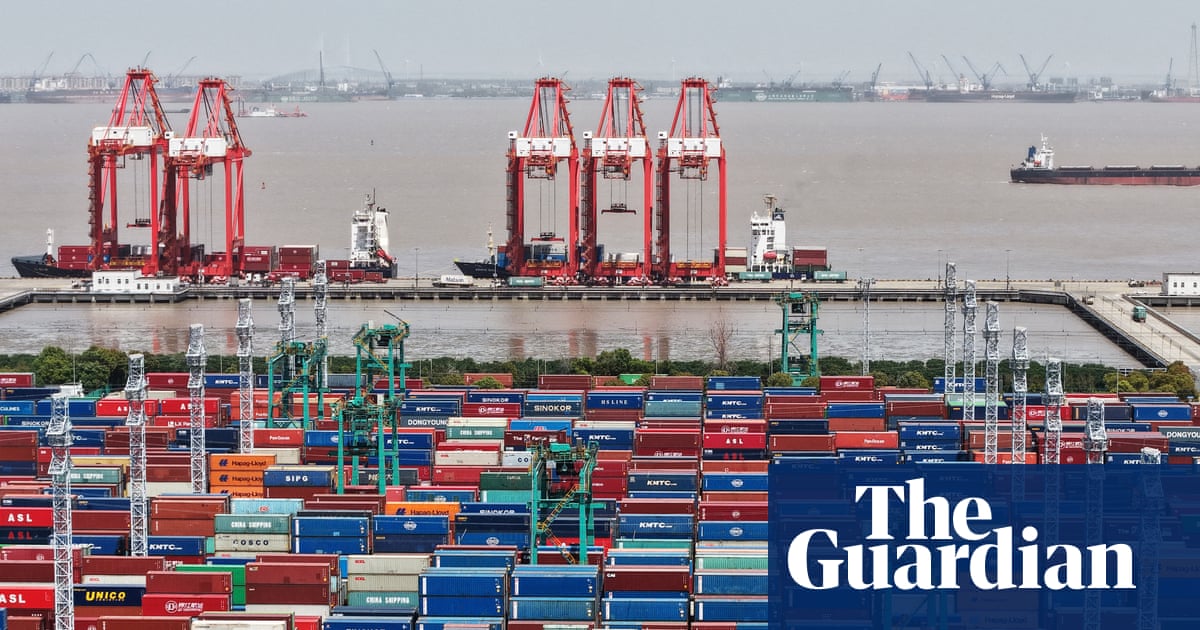
Europe faces a renewed China shock driven by large volumes of Chinese components entering European supply chains. The resulting price pressure and exchange-rate shifts can undermine local factories, leading to job losses and increased dependence on Chinese inputs. Concerns include support for financially weak “zombie” firms and the possibility of de facto industrial colonisation by Beijing. The earlier “China shock” in the US followed WTO-driven import surges that displaced domestic industries and eliminated millions of jobs. European policymakers are considering measures such as requiring firms to source critical components from multiple suppliers. Urgent talks are planned to address procurement constraints created by an undervalued yuan and subsidy-driven cost differences.
#international-trade #china-eu-economic-relations #supply-chain-resilience #currency-and-exchange-rates #industrial-policy
Read at www.theguardian.com
Unable to calculate read time
Collection
[
|
...
]