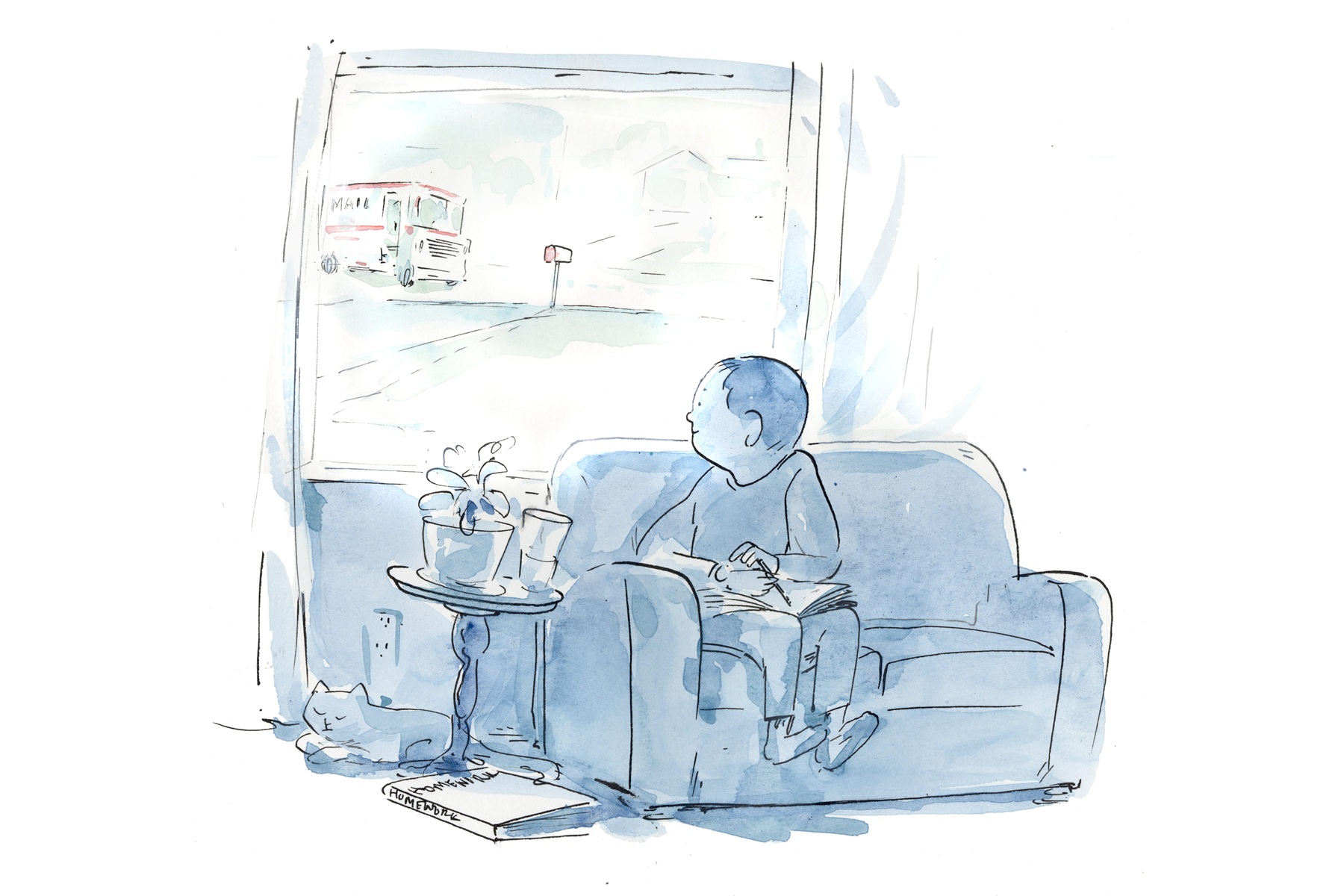
"There is a lot to love here. First, the charming analogue quality of the act. The letter was printed, crisply folded, slipped into an envelope, and dropped into a mailbox. No email address was provided, ensuring our reply would travel by slow technology. Second, undergirding the letter-and this, in our era of AI summaries, ChatGPT, and Reddit-was the sense that there is a brick-and-mortar place that could respond to the question. Implicit in that was something rarer: the patience to wait for an answer."
"The question was not a small one. The walrus isn't endangered but has been flagged as "vulnerable" largely due to climate change. As ice disappears, herds are forced onto land in larger numbers, leading to deadly stampedes, stress, and overcrowding. Industrial activity in the Arctic-shipping, oil and gas exploration, military traffic-adds noise, pollution, and habitat disruption. So, while the species isn't on the brink of extinction, its margin of safety is rapidly narrowing."
"But, of course, that led me to think about the marine animal that I lead, and all the bad weather arrayed against us: collapsing trust in media, the economic fragility of independent journalism, the dominance of algorithms that thrive on conflict. Together they form a climate that treats facts as optional. Our promise to readers is that we will hold the line. We insist facts are out there, they matter, and we can get them for you."
A grade five student in New Kent, Virginia, sent a printed letter requesting advice on how to save the walrus from extinction. The analogue letter exemplified patience and a reliance on slow, physical correspondence. The walrus has been flagged as vulnerable because climate change reduces sea ice, forcing herds ashore, causing deadly stampedes, stress, and overcrowding; industrial Arctic activity adds noise, pollution, and habitat disruption. Parallel threats confront independent journalism: collapsing trust, economic fragility, and algorithms that reward conflict and treat facts as optional. The newsroom commits significant resources to fact-checking, including a head of research, a full-time checker, freelancers, and a dedicated fellowship.
Read at The Walrus
Unable to calculate read time
Collection
[
|
...
]