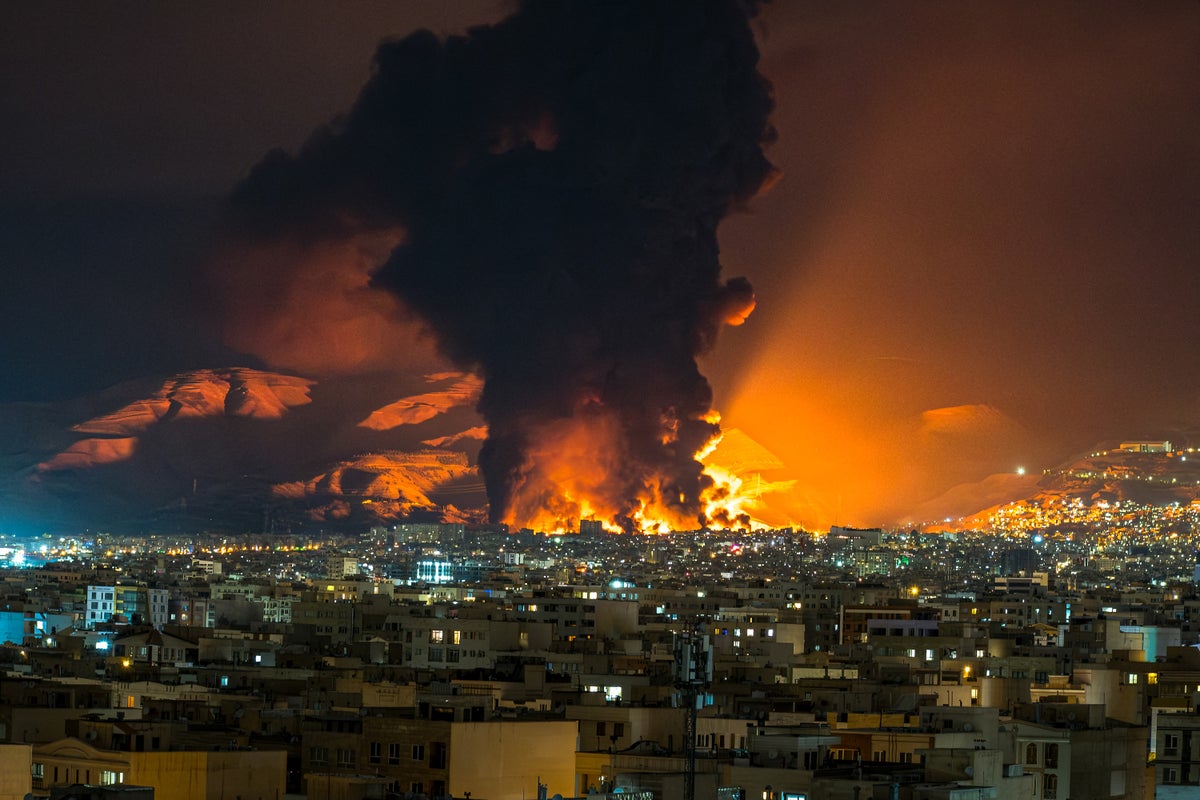
"One of the primary ways air pollutants are removed from the atmosphere is through rain. When you have significant levels of pollutants in air they will be collected by falling water droplets and rain out of the atmosphere. That's why we are getting these reports of black rain falling from the sky after the oil depots were struck—evidence of just how contaminated the local air must be."
"To me, this black rain indicates toxic pollutants such as hydrocarbons, ultrafine particles known as PM2.5, and carcinogenic compounds called polycyclic aromatic hydrocarbons (PAHs) have made their way into the rain. On top of this there would be a mix of other unknown pollutants that are harmful to humans and the environment in the short and long term."
"These reports are very worrying, and indicate much more than just acid rain. This rain would include acids but also likely a host of other pollutants that are harmful to humans and the environment in the short and long term. It may even be worse than the term acid rain conveys."
Following US-Israeli airstrikes on Iranian oil depots, black rain fell over parts of Iran, with residents reporting headaches, breathing difficulties, and oil contamination on surfaces. Iran's Red Crescent Society warned the rainfall could be highly dangerous and acidic. The black rain results from atmospheric removal of concentrated air pollutants through precipitation. This rain contains not only acids but also toxic substances including hydrocarbons, ultrafine particles (PM2.5), and carcinogenic polycyclic aromatic hydrocarbons (PAHs). The phenomenon indicates severe air contamination in affected areas. Beyond the rain itself, thick clouds of toxic smoke over densely populated regions pose immediate respiratory hazards to residents breathing the polluted air.
#air-pollution #environmental-contamination #public-health-hazards #atmospheric-chemistry #oil-depot-strikes
Read at theconversation.com
Unable to calculate read time
Collection
[
|
...
]