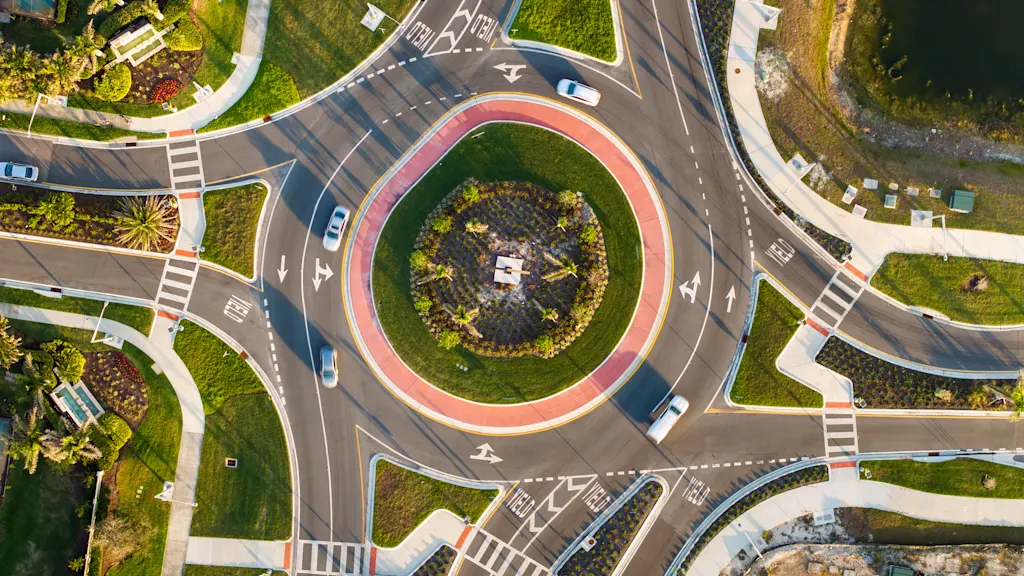
"The roundabout question Roundabouts are one of the many Planner vs. Engineer debates, and it happens to be a very important issue where emotions cloud good judgment. As much as I criticize the engineering profession, they are generally correct on this one. But that wasn't always the case. In the late 1990s and early 2000s, the status quo transportation engineering community believed wholeheartedly that roundabouts were not only good, but were silly, dangerous, would lead"
"to gridlock, couldn't be understood by American drivers, etc. The primary reasons for opposing roundabouts and defending traffic lights (the typical alternative) were speed and delay. That is, if an intersection design slowed down vehicles, that was bad. If there was real or perceived delay for drivers at intersections, that was bad. Subscribe to Urbanism Speakeasy. Join Andy Boenau as he explores ideas that the infrastructure status quo would rather keep quiet. To learn more, visit urbanismspeakeasy.com. The status quo certified planners, spotting a thing"
Planners and engineers often clash over intersection design, with roundabouts a focal point. Engineers originally opposed roundabouts citing speed and delay concerns and fears about driver comprehension, gridlock, and safety. Planners embraced roundabouts for community gateway roles, traffic calming, and environmental sustainability. A growing group of practitioners and academics in the 2000s began presenting case study evidence supporting roundabout benefits. That evidence repeatedly found consistent positive results. The tension reflects different professional priorities: vehicle throughput and perceived delay versus community design, safety, and multimodal objectives. Perspectives have evolved as empirical findings accumulated.
Read at Fast Company
Unable to calculate read time
Collection
[
|
...
]