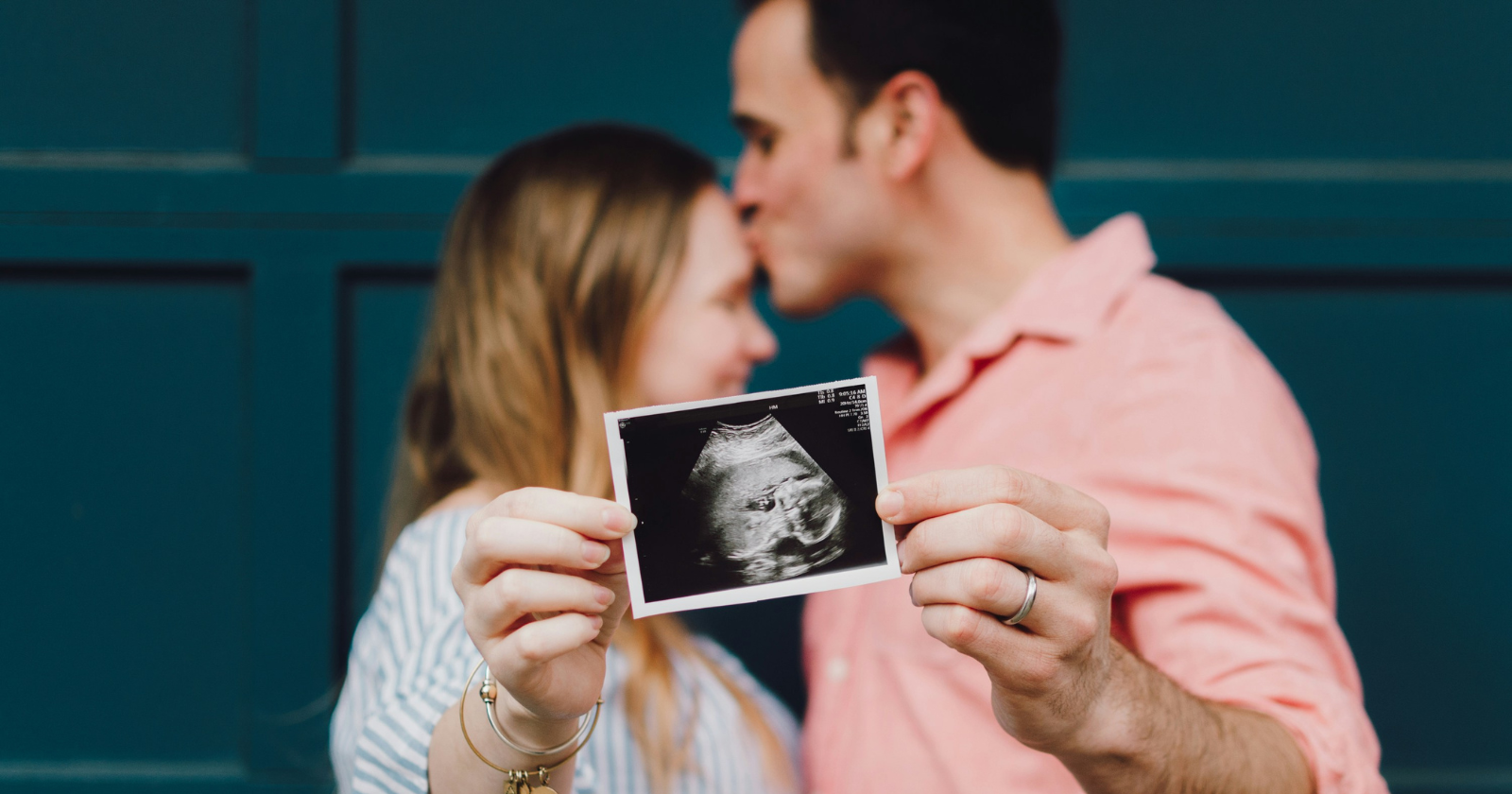
"Then we circled back to the question that won't leave us alone. Do we bring a second child into this world, or do we stop at one? It's the most intimate climate question I've ever faced. Not a reusable bag choice. Not a diet tweak. A lifelong decision that will shape our home, our time, and yes, our footprint. I'm not alone in wrestling with this."
"Among Americans under 50 who say they're unlikely to become parents, a meaningful share named environmental concerns, including climate change, as a major reason. Younger non-parents were notably more likely than older non-parents to say climate plays into their decision. There's also a growing academic record, not just headlines. A recent cross-national study in the Journal of Marriage and Family linked higher climate worry with lower intended family size in Finland, Estonia, and Sweden."
"The Associated Press recently profiled young adults who are openly factoring climate risk and personal carbon impact into their family planning. One line stuck with me: bioethicist Travis Rieder calls the ripple effect of procreation a "carbon legacy.""
A couple is weighing whether to have a second child because of climate impact and lifetime carbon footprint. Many young adults factor climate risk and personal carbon impact into family planning decisions. Surveys show a meaningful share of Americans under 50 who are unlikely to become parents cite environmental concerns, with younger non-parents more likely to report climate influence. Cross-national research links higher climate worry with lower intended family size in several European countries. A large study of people aged 16 to 25 reported widespread climate anxiety influencing reproductive intentions. The term "carbon legacy" captures the procreative ripple effect on emissions.
Read at Silicon Canals
Unable to calculate read time
Collection
[
|
...
]