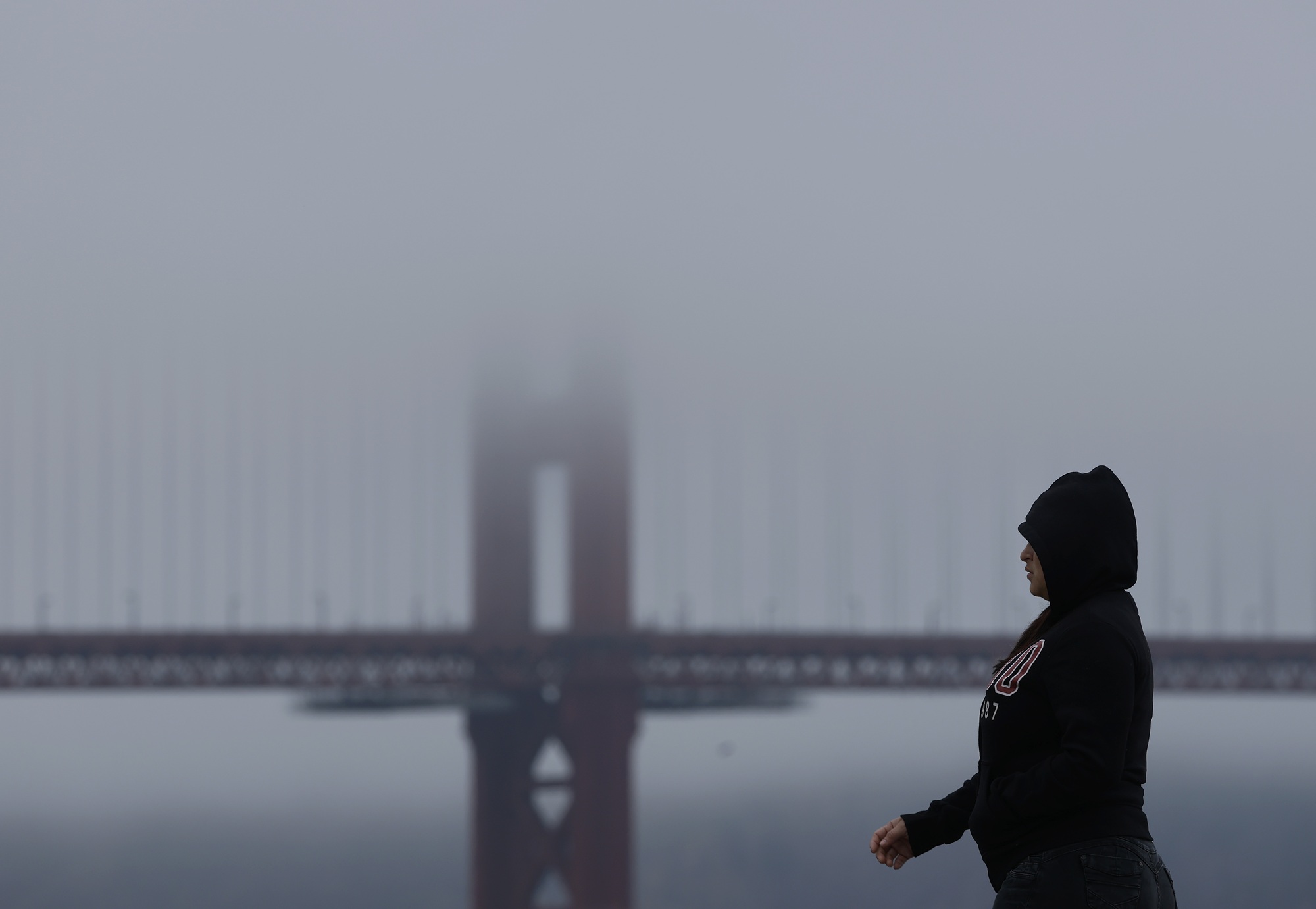
The Bay Area experienced a series of cold storms that dusted the highest peaks with snow and produced frigid temperatures that could break century-old low-temperature records in some cities. National Weather Service forecasters evaluated issuing public extreme-cold alerts for a 48-hour period as frigid conditions deepened into Friday and lingered into Saturday. Climate researchers link the late-winter cold snap to changing winter behavior under human-caused climate change and note that winters are shortening in many U.S. cities. An analysis of 245 major cities found 80% have winters shorter by about nine days; San Francisco winters shorten by about six days on average, with more warm winter days recorded since 2020.
"The Bay Area is about to get frigid enough to potentially break more than a century-old low temperature records in some cities. That's after a series of cold storms encompassed the region this week, dusting the highest peaks in snow. National Weather Service forecasters said they are evaluating whether to issue public alerts for extreme cold over the next 48 hours, with the possibility that the frigid temperatures extend deeper into Friday and linger into Saturday."
""This is going to be a lot colder than we've seen across the board this winter so far," said Rachael Kennedy, a meteorologist with the National Weather Service's Bay Area Office. "That may give us a shot at beating some of the record lows if they cool below what we have forecast.""
"Winkley's group recently analyzed 245 major U.S. cities to determine how climate change is altering winter. They found that in 80% of those cities - including San Francisco - winter is getting shorter by about nine days. San Francisco winters are shortening by six days on average."
Read at Kqed
Unable to calculate read time
Collection
[
|
...
]