"My mother grew up in Warracknabeal, a speck of a town four hours from Melbourne, Australia, in the wide, wheat country of the Wimmera that part of Victoria where the sky starts to stretch, where you can see weather happening 100 kilometres away. Once or twice a year, our family would pack into the rattling old LandCruiser and drive up to visit my grandmother."
"It can't always have been blistering weather but my memories of those trips are shot through with summer heat: the peeling paint of my grandmother's house, the blasted-dry grass of the reserve over the road and its ancient metal monkey bars, so hot they burned your hands. Once, a dust storm blew up while we were there, engulfing the small weatherboard house in howling dirty orange."
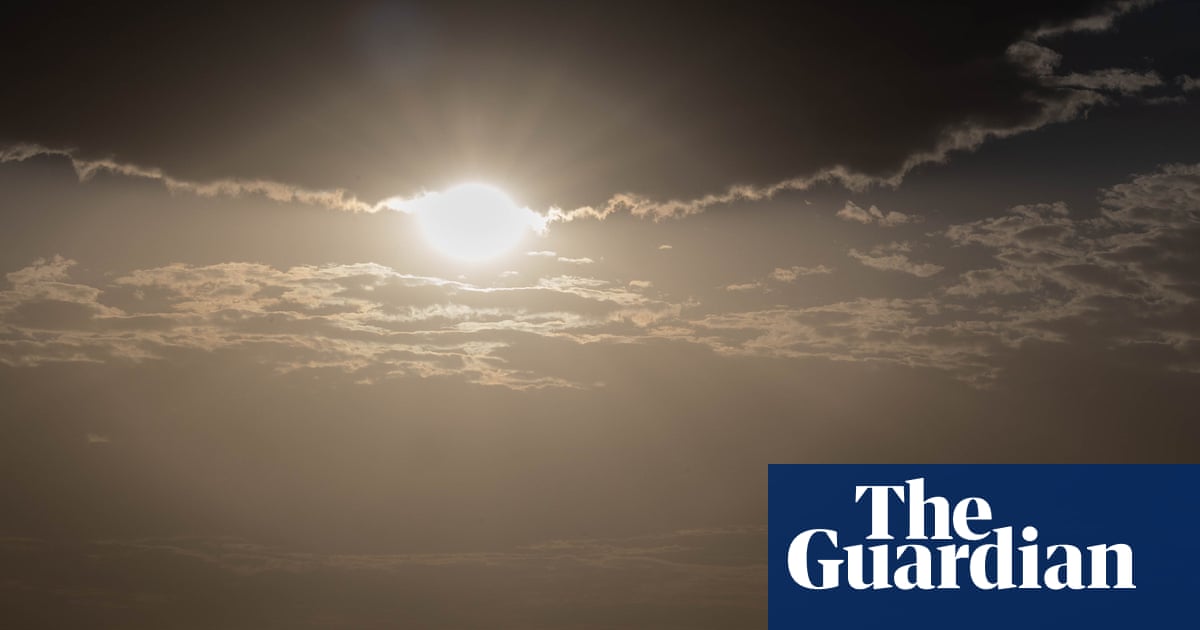
"I thought of those summers this week while in the even-smaller town of Ouyen (population 1,170) in the Mallee, 150km directly north of Warracknabeal, as this months's still-rolling, record-breaking heatwave built to its apex. These aren't places well-known to people in the city. For many, north-west Victoria isn't a destination, just somewhere to pass through, a detour on the way to Adelaide. Until the state's maximum temperature records looked set to tumble there, and the media spotlight trained right on them."
My mother grew up in Warracknabeal in the Wimmera, where the sky stretches and weather can be seen from far away. Family visits to a grandmother's weatherboard house left memories of blistering summers, peeling paint, blasted-dry grass and hot metal monkey bars. A dust storm once engulfed the house in howling orange. A record-breaking heatwave built to its apex in Ouyen, 150km north, bringing searing temperatures to towns often bypassed by city residents. Locals are used to hot summers, but current extreme heat feels different and presses on bodies, animals and the landscape.
Read at www.theguardian.com
Unable to calculate read time
Collection
[
|
...
]