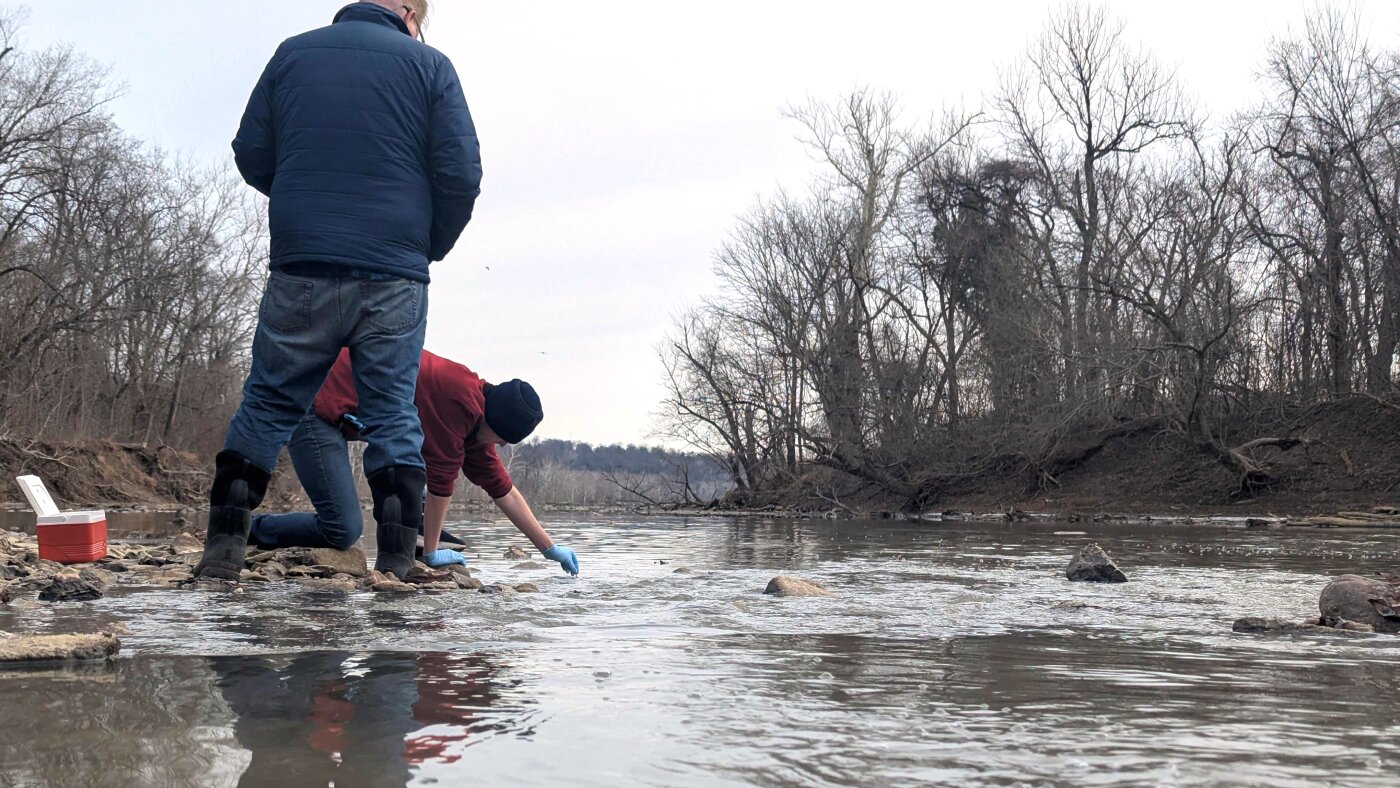
"In January, part of a decades-old sewer line in Maryland collapsed by the Potomac River. Over the following days, the broken pipe dumped more than 200 million gallons of raw sewage into the Potomac near Washington, D.C. Since then, the utility that manages the line, DC Water, has been setting up a system of pumps and a steel bulkhead to divert wastewater around the broken section of pipe so crews can begin repairs."
"Sewer systems, especially those that handle a combination of wastewater and stormwater, often overflow during heavy rains. The problem is exacerbated by population growth that's straining aging infrastructure. Climate change is also a factor, Maguire says, because as temperatures rise, storms dump more rain in shorter periods of time, overwhelming sewer and stormwater systems. "The intensity is a really important part of it," Maguire says, adding: "It is absolutely a climate problem that will continue to get worse.""
In January, part of a decades-old sewer line collapsed by the Potomac River, releasing more than 200 million gallons of raw sewage. The utility managing the line installed pumps and a steel bulkhead to divert wastewater and enable repairs. Drinking water remained uncontaminated, but the spill threatens a watershed extending to the Chesapeake Bay. Raw sewage contains bacteria, pharmaceuticals and household chemicals that can sink, harm fish and bird reproduction, kill insects, and contaminate soils. Combined sewer systems often overflow during heavy rains, a problem worsened by population growth, aging infrastructure and climate-driven increases in storm intensity.
Read at www.npr.org
Unable to calculate read time
Collection
[
|
...
]