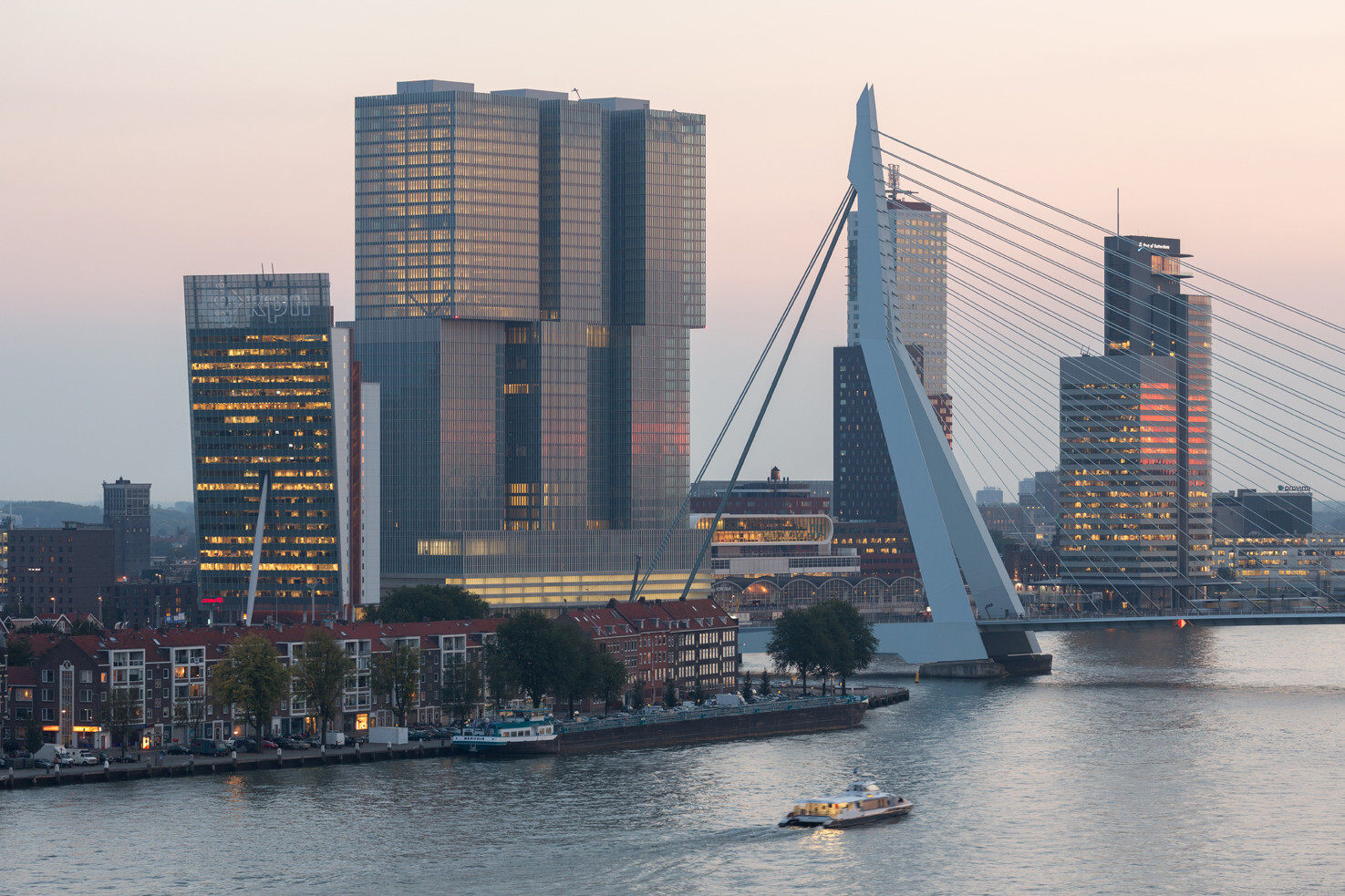
Architects adjust building foundations based on soil, groundwater, climate, and culture, impacting durability and design. Rotterdam, situated below sea level, faces risks from rising sea levels and urban flooding. The city has developed various architectural responses, including infrastructure to keep water out, designs that manage water absorption, and floating structures that adapt to water fluctuations. These diverse approaches reflect differing philosophies on architecture's role in addressing environmental challenges.
"Architects carefully calibrate their relationship to the earth, adjusting foundations to soil, groundwater, climate, risk, and culture. The way a building meets the earth determines its durability and its limits because foundations are among the most consequential design choices an architect makes."
"The city of Rotterdam sits approximately one meter below sea level, an organizing condition that shapes daily life in the Netherlands' second-largest city and is a growing preoccupation amid unstable coastal conditions."
"As sea levels rise and rainfall across Northern Europe grows less predictable and more extreme, Rotterdam faces a significantly increased risk of coastal storm surges and urban flooding driven by overwhelmed drainage infrastructure."
"What emerges in response is not one unified solution but a set of distinct architectural positions, including continuous technical control, redesigning the ground plane, and developing floating architecture."
Read at ArchDaily
Unable to calculate read time
Collection
[
|
...
]