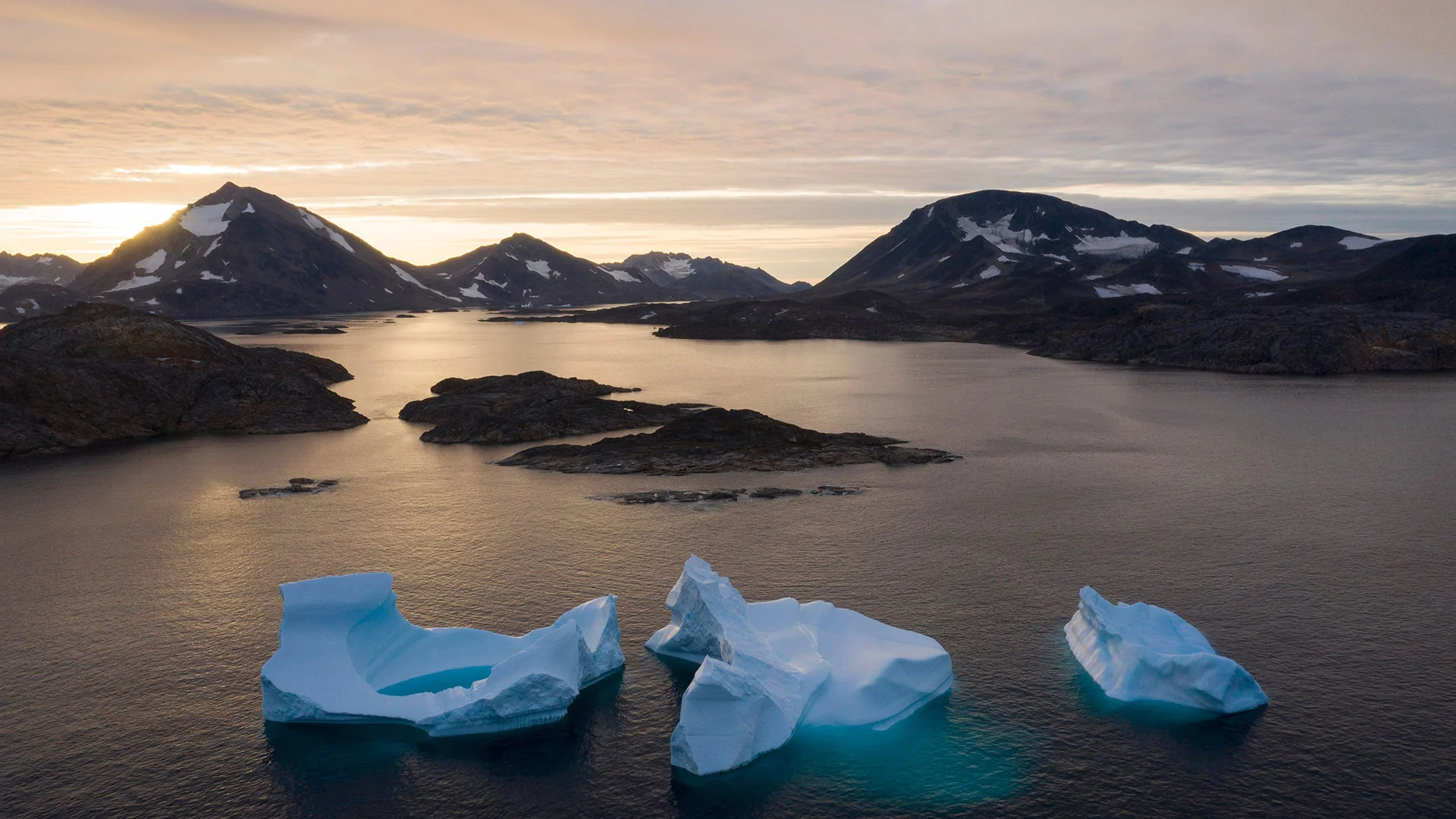
Global climate projections indicate a high likelihood of repeated exceedances of the Paris 1.5°C warming threshold over the next five years, along with a strong chance of breaking the hottest-year record. The World Meteorological Organization forecasts an overheating Arctic that warms by about 1.66°C by 2030 and warns of dangerous drought conditions with potential wildfires in the Amazon. Continued burning of coal, oil, and gas is expected to drive more extreme weather, including floods, droughts, and heat waves. There is a 75% chance that average global temperature from 2026 to 2030 will exceed 1.5°C above pre-industrial levels, and there is a 91% chance at least one of the next five years will surpass the threshold.
"The projections by the U.N. climate agency and the United Kingdom's Meteorological Office said there's a 75% chance that the average global temperature between 2026 and 2030 will exceed 1.5 degrees Celsius (2.7 degrees Fahrenheit) since pre-industrial times. That threshold is the agreed-upon limit of warming - averaged over 20 years - set in 2015 by the Paris climate agreement."
"There's a 91% chance that at least one of the next five years will shoot past the 1.5 degree threshold and an 86% chance that one of those years will smash the record for Earth's hottest year set in 2024, the WMO report said. The WMO projects each year between now and 2030 to be between 1.3 degrees Celsius (2.3 degrees Fahrenheit) and 1.9 degrees Celsius (3.4 degrees Fahrenheit) since the late 1800s."
"The World Meteorological Organization also forecasts an overheating Arctic that warms nearly 3 degrees Fahrenheit (1.66 degrees Celsius) between now and 2030 and a dangerous drought with potential wildfires for the Amazon, a crucial part of Earth's natural defenses to lessen human-caused climate change. A hotter globe from the burning of coal, oil and gas means more extreme weather including floods, droughts and heat waves, scientists said."
"Passing warming limit has consequences, but no cliff. "It's important to note that (1.5) is not kind of a cliff edge that we're going to fall off," said report co-author Melissa Seabrook, a climate scientist at the U.K. Meteorological Office. "Every kind of""
#climate-change-projections #paris-agreement-15c #extreme-weather #arctic-warming #amazon-drought-and-wildfires
Read at Fast Company
Unable to calculate read time
Collection
[
|
...
]