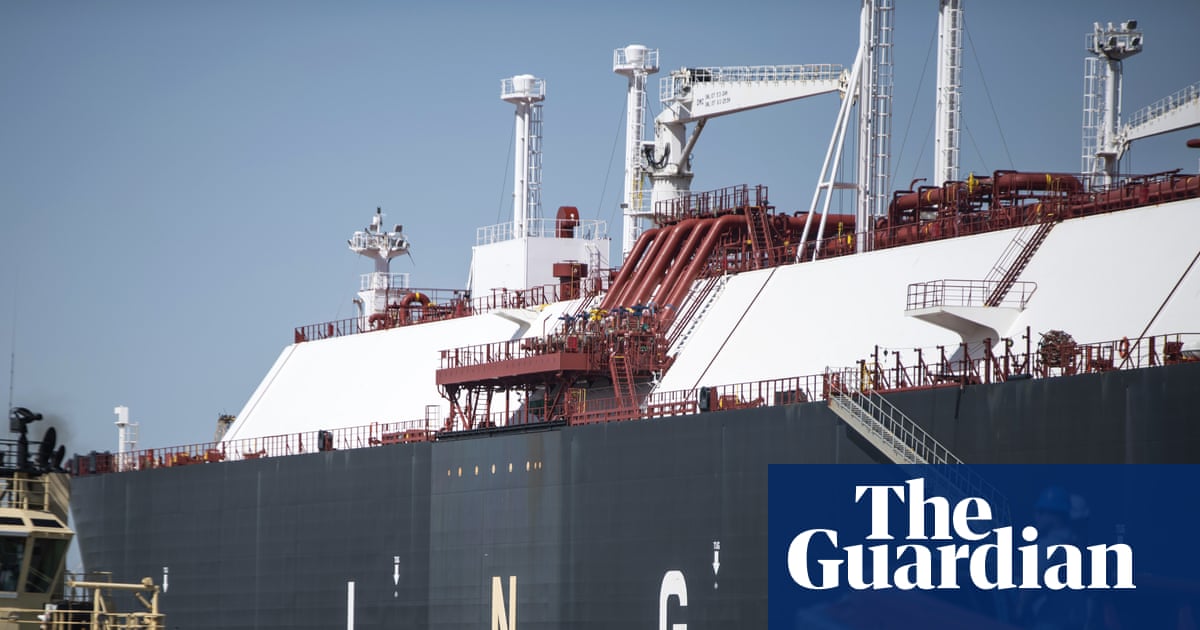
The Strait of Hormuz, crucial for global oil and LNG transport, was effectively closed due to a US-Israeli attack on Iran, stranding 20,000 seafarers. Shipping is a major polluter, responsible for about 3% of global greenhouse gases, with a significant portion of the global fleet transporting fossil fuels. The International Maritime Organization is currently discussing decarbonization, but many countries are influenced by pro-oil lobbying, complicating efforts to transition to a green economy. Cleaning up shipping is essential to mitigate climate change impacts.
"About a fifth of the world's oil and liquefied natural gas (LNG) passed through the strait of Hormuz, a strip of sea less than 30 miles wide at its narrowest point, before it was in effect closed by the US-Israeli attack on Iran, which sent the price of oil soaring and left an estimated 20,000 seafarers on 2,000 vessels stranded."
"Shipping produces about 3% of global greenhouse gases, a portion set to rise as trade globalises further. But the relationship with oil goes even deeper: not only are vessels dependent on bunker fuel, but shipping companies also rely heavily on fossil fuels as cargo."
"If the world is to make the shift needed away from fossil fuels to a green economy, cleaning up shipping will be vital. But when so many shipping companies, and so many countries with big fleets, have a vested commercial interest in keeping the world hooked on oil, any attempts to green the future face significant challenges."
Read at www.theguardian.com
Unable to calculate read time
Collection
[
|
...
]