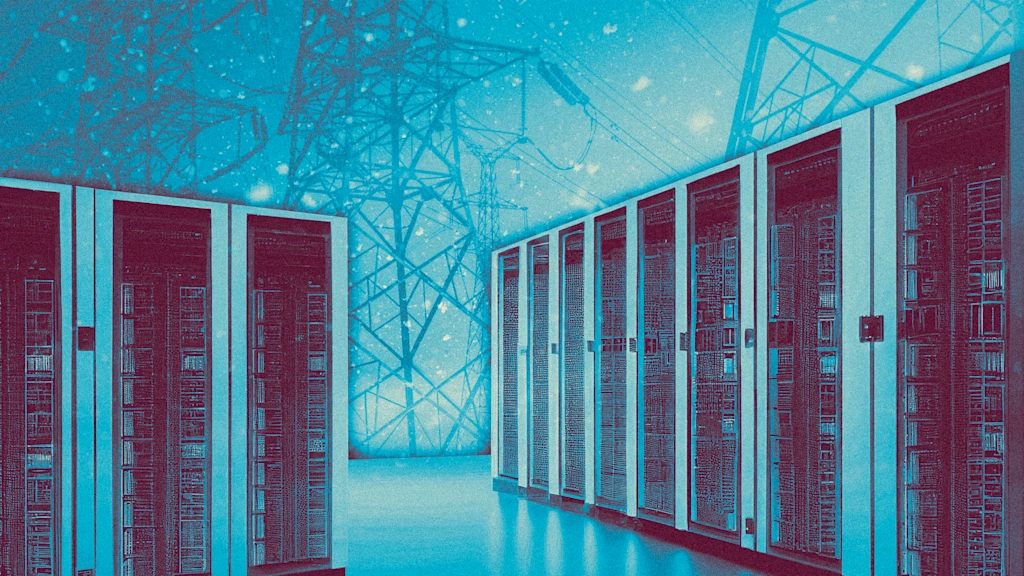
"As Winter Storm Fern swept across the United States in late January 2026, bringing ice, snow, and freezing temperatures, it left more than a million people without power, mostly in the Southeast. Scrambling to meet higher than average demand, PJM, the nonprofit company that operates the grid serving much of the mid-Atlantic U.S., asked for federal permission to generate more power, even if it caused high levels of air pollution from burning relatively dirty fuels."
"He authorized PJM and ERCOT-the company that manages the Texas power grid-as well as Duke Energy, a major electricity supplier in the Southeast, to tell data centers and other large power-consuming businesses to turn on their backup generators. The goal was to make sure there was enough power available to serve customers as the storm hit. Generally, these facilities power themselves and do not send power back to the grid."
Winter Storm Fern swept across the United States in late January 2026, bringing ice, snow, and freezing temperatures and leaving more than a million people without power, mostly in the Southeast. PJM, the nonprofit company that operates the mid-Atlantic grid, requested federal permission to generate more power even if it caused high air pollution from burning relatively dirty fuels. Energy Secretary Chris Wright authorized PJM, ERCOT, and Duke Energy to tell data centers and other large power consumers to start backup generators to ensure enough power during the storm. Industrial diesel generators could generate 35 gigawatts, enough for many millions of homes. Data centers consume enormous quantities of energy, and generative AI workloads are driving up electricity demand and prices in congested grids like PJM.
Read at Fast Company
Unable to calculate read time
Collection
[
|
...
]