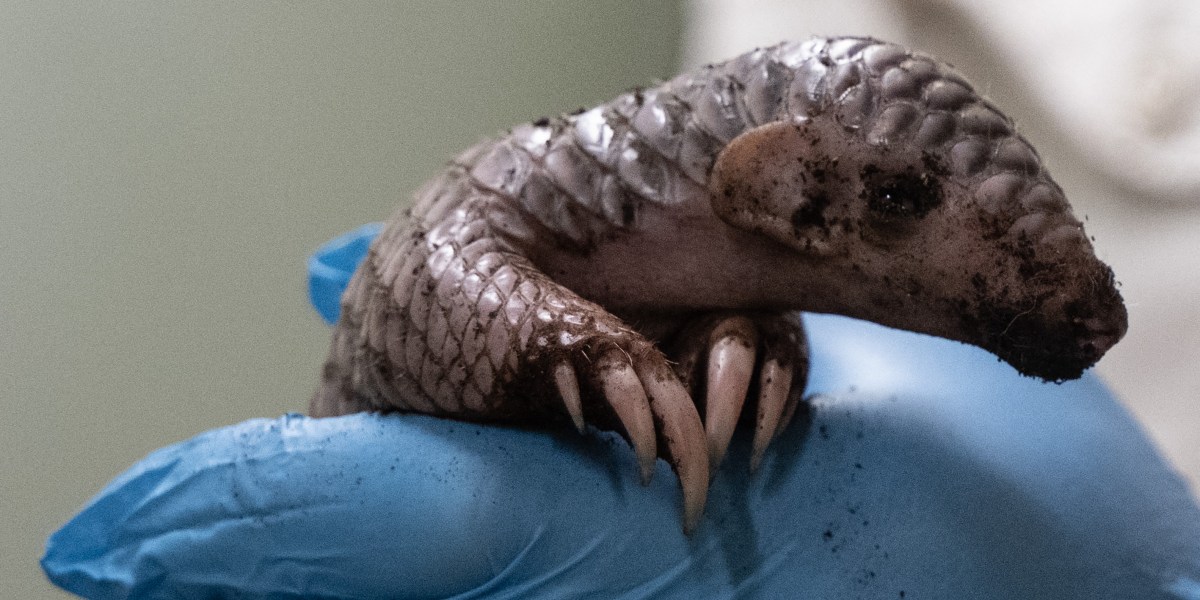
Pangolins are heavily hunted for their keratin scales, making them the most trafficked mammals globally. More than half a million pangolins were seized between 2016 and 2024, and over a million were estimated taken from the wild in the past decade. Scales drive the illegal trade due to demand in China and parts of Asia based on unproven medicinal beliefs. Eight species exist across Africa and Asia, all facing high to extremely high extinction risk. Pangolins are fully covered in overlapping keratin scales, can roll into armored balls, and have sticky tongues adapted to feed on ants and termites. They lack effective defenses against human hunting and receive less conservation attention than megafauna.
"Pangolins or pangolin products outstrip any other mammal when it comes to wildlife smuggling, with more than half a million pangolins seized in anti-trafficking operations between 2016 and 2024, according to a report last year by CITES, the global authority on the trading of endangered plant and animal species. The World Wildlife Fund estimates that over a million pangolins were taken from the wild over the last decade, including those that were never intercepted."
"Pangolins meat is a delicacy in places, but the driving force behind the illegal trade is their scales, which are made of keratin, the protein also found in human hair and fingernails. The scales are in high demand in China and other parts of Asia due to the unproven belief that they cure a range of ailments when made into traditional medicine."
"They are unique in that they are the only mammals covered completely in keratin scales, which overlap and have sharp edges. They are the perfect defense mechanism, allowing a pangolin to roll up into an armored ball that even lions struggle to get to grip with, leaving the nocturnal ant and termite eaters with few natural predators. But they have no real defense against human hunters."
Read at Fortune
Unable to calculate read time
Collection
[
|
...
]