"Authors Dr Philip Minderhoud of Wageningen University in the Netherlands and PhD researcher Katharina Seeger discovered that more than 90% of these studies did not use local, direct measurements of sea levels but instead used land elevation measurements referenced against global geoid models. Geoid models provide an estimate of global sea levels based on the Earth's gravity and rotation."
"In reality, sea level is influenced by additional factors such as winds, ocean currents, seawater temperature and salinity. The new calculations reveal that following a relative sea level rise of 1 metre, it is estimated that 37% more coastal areas will fall below sea level, affecting up to 132 million individuals."
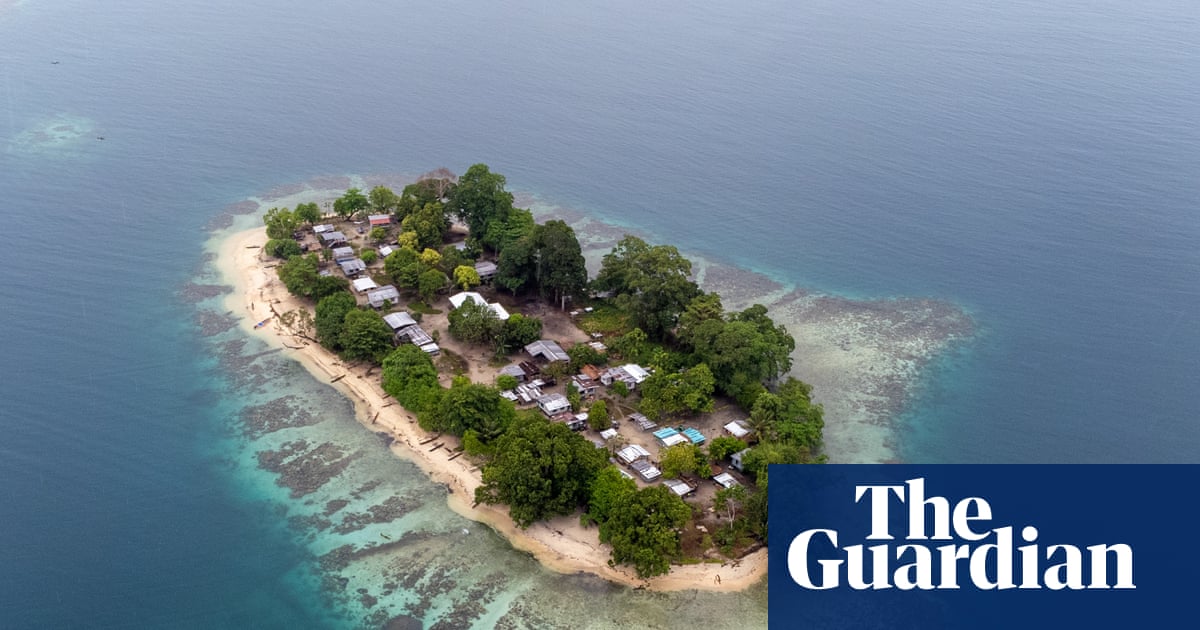
"Globally, the research found ocean levels are an average of 30cm higher than previously believed, but in some areas of the global south, including south-east Asia and the Indo-Pacific, they may be 100-150cm higher than previously thought."
Research analyzing 385 peer-reviewed studies reveals that ocean levels worldwide have been significantly underestimated due to inaccurate modeling practices. Most studies relied on land elevation measurements against global geoid models rather than direct local sea level measurements, causing systematic undervaluation of 24-27cm on average. In vulnerable regions like southeast Asia and the Indo-Pacific, actual sea levels exceed previous estimates by 100-150cm. This correction has major implications for coastal communities, as a 1-meter relative sea level rise would submerge 37% more coastal areas than previously calculated, potentially affecting 132 million people. The findings necessitate updated assessments of future climate impacts and coastal vulnerability.
#sea-level-rise #climate-change-modeling #coastal-vulnerability #global-geoid-models #climate-impact-assessment
Read at www.theguardian.com
Unable to calculate read time
Collection
[
|
...
]