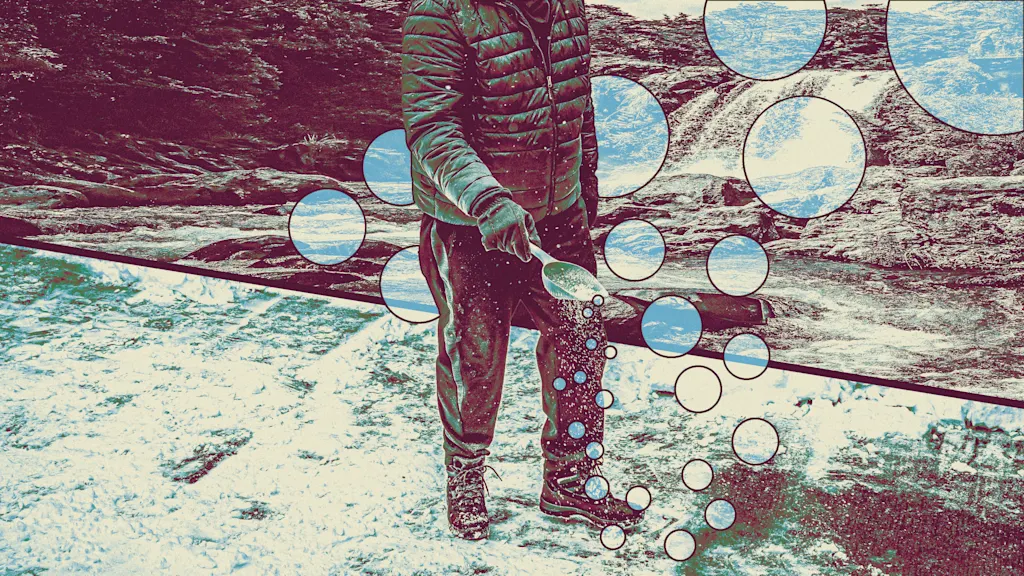
"Snow has returned to the Philadelphia region, and along with it, the white residues on streets and sidewalks that result from the overapplication of deicers such as sodium chloride, or rock salt, as well as more modern salt alternatives. As an environmental scientist who studies water pollution, I know that much of the excess salt flows into storm drains and ultimately into area streams and rivers."
"For example, a citizen science stream monitoring campaign led by the Stroud Water Research Center in Chester County (about 40 miles west of Philadelphia) found that chloride concentrations in southeastern Pennsylvania streams remained higher than levels recommended by the Environmental Protection Agency not only after winter snowfalls but also in many cases during some summer months-showing salt persists in watersheds year-round."
"Once there, it can have a profound impact on fish and other aquatic life. This includes a decrease in the abundance of macroinvertebrates, which are small organisms that form the base of many freshwater food webs, and reductions in growth and reproduction in fish. Increased salt concentrations can also degrade and pollute the local water supply."
Snow and overapplied deicers, including sodium chloride and modern salt alternatives, leave residues on streets and sidewalks and wash into storm drains and local streams and rivers. Citizen science monitoring found chloride concentrations in southeastern Pennsylvania streams that exceeded EPA-recommended levels after winter snowfalls and in some summer months, indicating year-round persistence in watersheds. Elevated salt concentrations reduce macroinvertebrate abundance and impair fish growth and reproduction. Spikes in tap-water sodium have been measured during and after snow melts, posing risks for people on low-sodium diets. Local governments have adopted best management practices such as roadway brining, efficient spreaders, and improved storm forecasting.
Read at Fast Company
Unable to calculate read time
Collection
[
|
...
]