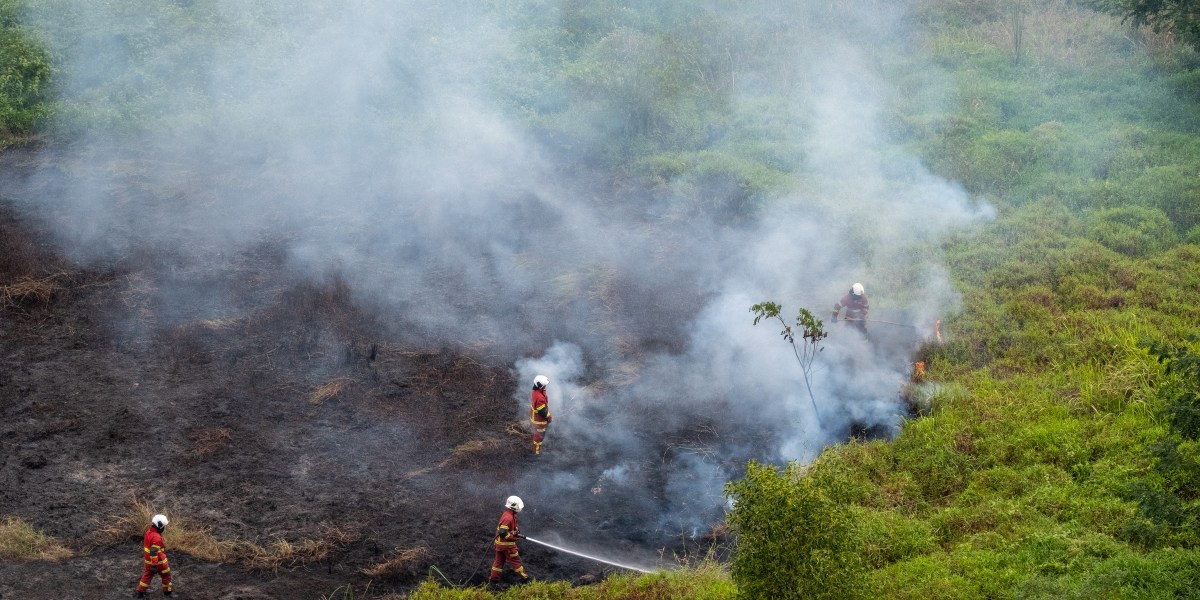
A Super El Nino is expected to hit Asia this summer, bringing drought and high temperatures that will strain power grids. Limited oil and gas supplies are already creating pressure after Iran blocked most shipping through the Strait of Hormuz. Drought can reduce hydropower generation, tightening electricity supply further. Farmers face additional impacts, and water-intensive manufacturing such as semiconductors and textiles may be disrupted. Super El Nino is an exceptionally strong El Nino that occurs about every 10 to 15 years, when ocean temperatures rise by more than two degrees Celsius and can exceed three degrees in forecasts. Southeast Asia and India are highly exposed because agriculture, fishing, and hydropower depend on climate conditions.
""The Super El Nino will further worsen the economic pain inflicted by the ongoing energy crisis," says Ming Yi, a physical climate scientist and visiting professor at the National University of Singapore (NUS). "Asia's electricity supply will be further strained as droughts curtail hydropower generation; farmers will be hard hit, and water-intensive manufacturing sectors like semiconductor and textile may also be disrupted.""
""Super El Nino" refers to an exceptionally strong version of El Nino, a regular climate phenomenon driven by natural variations in ocean temperature. El Nino recurs every two to seven years; a Super El Nino is rarer, taking place every 10 to 15 years on average. During a Super El Nino, ocean temperatures surge by more than two degrees Celsius, releasing a massive amount of heat into the atmosphere. Some forecast models warn that ocean temperatures could rise by more than three degrees this year, surpassing the 2.7 degree peak recorded in 1877."
""This intense thermal surge acts like a turbocharger for the planet's weather, amplifying normal seasonal shifts into severe global disasters," Justin Sentian, a professor of climate change and atmospheric science at Universiti Malaysia Sabah (UMS), explains. Southeast Asia and India are among the economies most exposed to El Nino's effects, due to their reliance on climate-sensitive sectors like agriculture, fishing, and hydropower. For example, the World Bank estimates that fisheries contribute 2.6% of Indonesia's GDP and over 7 million jobs."
#super-el-nino #energy-crisis #hydropower-and-drought #asia-climate-impacts #strait-of-hormuz-shipping
Read at Fortune
Unable to calculate read time
Collection
[
|
...
]