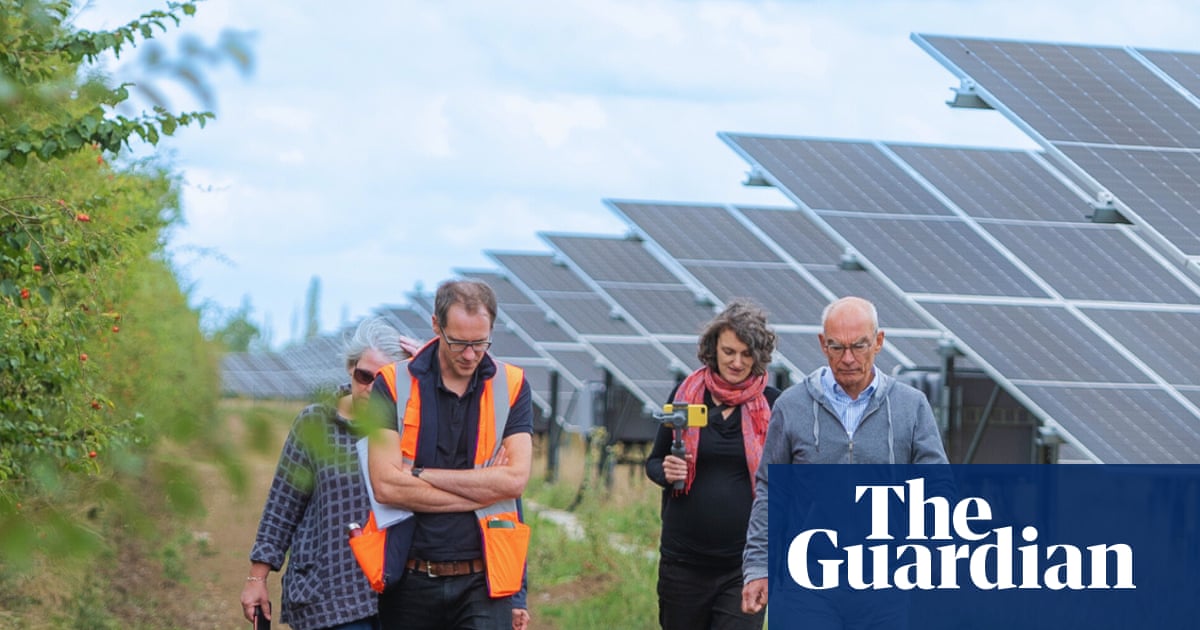
"Ray Valley Solar, south of Bicester in Oxfordshire, generates enough clean electricity to power about 7,000 homes for a year, and uses its profits to provide grants to community initiatives that help reduce carbon emissions and make homes, schools and businesses across Oxfordshire more energy efficient."
"On very sunny days, Ray Valley Solar — which uses efficient double-sided solar panels that can capture sunlight that bounces back from the ground at the rear of the panels — produces more clean electricity than the local grid can take, resulting in some energy being wasted."
"Storage is a critical challenge for the young technology around renewable energy. But plans to install a battery here mean the project will capture surplus solar power during the day and store it until it can be released during the peaks of demand in the evening, when the grid is more carbon intensive and electricity more expensive."
"This will allow the community solar park to generate more power and therefore to earn more money, which is reinvested into local sustainability and emission-cutting projects, said Barbara Hammond, the chief executive of the Low Carbon Hub, one of the biggest community energy organisations in the country, which set up the solar park in 2022."
Ray Valley Solar is a community-owned solar park near Bicester in Oxfordshire, with nearly 36,000 panels generating enough clean electricity to power about 7,000 homes for a year. Profits fund grants for community initiatives that reduce carbon emissions and improve energy efficiency for homes, schools, and businesses across Oxfordshire. The project plans to install battery storage using investment from members of the public, aiming to become the first community-owned battery at a renewable energy project in the UK. On very sunny days, double-sided panels can produce more electricity than the local grid can accept, causing some energy to be wasted. Battery storage will capture surplus solar power during the day and release it during evening peaks when electricity is more carbon intensive and more expensive, increasing generation and revenue for local sustainability projects.
Read at www.theguardian.com
Unable to calculate read time
Collection
[
|
...
]