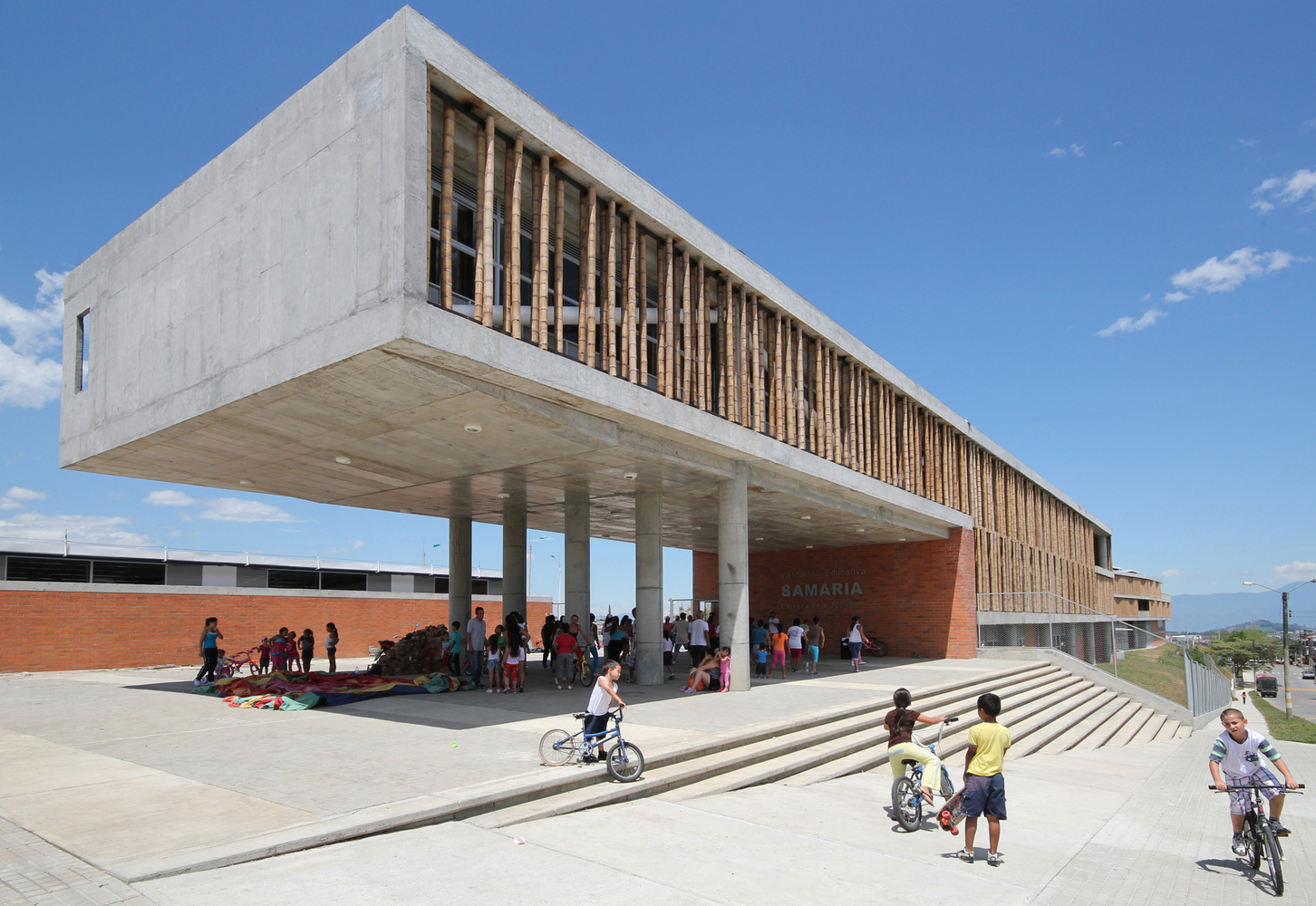
"Education and culture have long been established as strategic pillars for promoting profound social transformation. In this context, the quality of physical infrastructure is not merely a functional concern, but a structural element in the implementation of consistent public policies - especially in territories marked by urban precarity, historical inequality, and institutional fragility."
"When conceived as open platforms integrated into the urban fabric, schools begin to operate as multifunctional civic facilities capable of bringing together culture, sports, social interaction, and learning within the same territory."
Education and culture serve as strategic pillars for social transformation, particularly in areas experiencing urban precarity and institutional fragility. Physical infrastructure quality transcends functional concerns to become essential for implementing consistent public policies. School architecture extends beyond classroom instruction to catalyze broader social change. Decades of experience demonstrate that educational investment simultaneously invests in public space, belonging, and citizenship. When designed as open platforms integrated into urban environments, schools function as multifunctional civic facilities that combine culture, sports, social interaction, and learning. This integrated approach strengthens community bonds and addresses systemic inequalities through shared institutional spaces.
#school-architecture #social-transformation #public-infrastructure #urban-development #civic-engagement
Read at ArchDaily
Unable to calculate read time
Collection
[
|
...
]