"Initially, I surveyed the situation from the safe distance of a journalist who happens to also be a career professor and university administrator. I saw myself as an envoy between America's college campuses and its citizens, telling the stories of the people whose lives had been shattered by these transformations. By the summer, though, that safe distance had collapsed back on me."
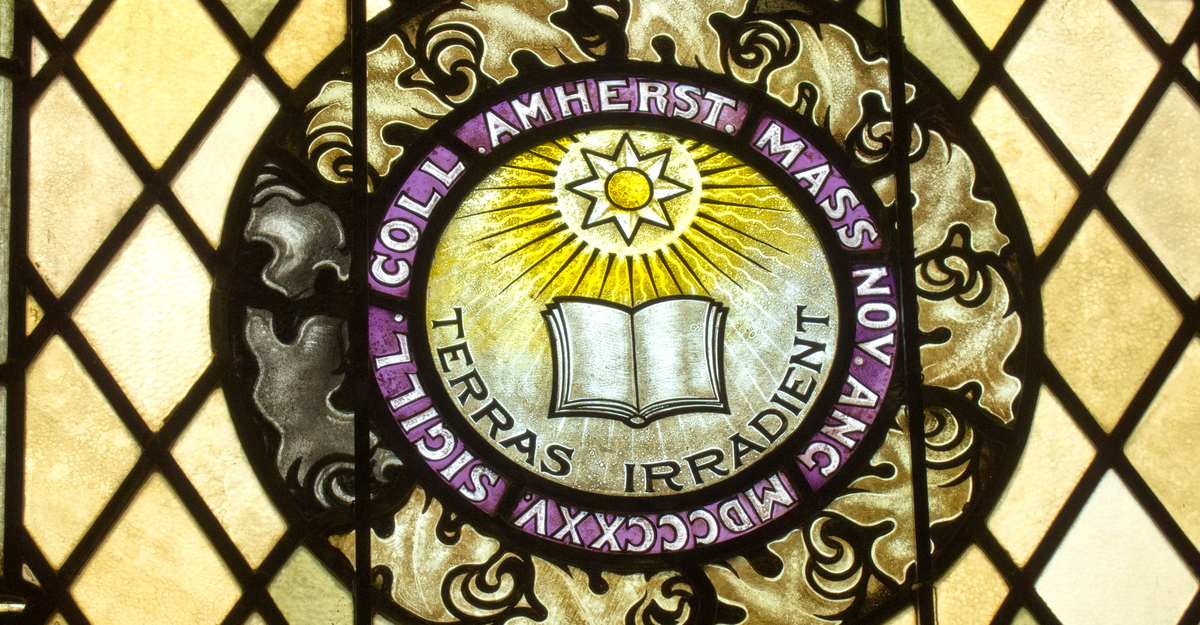
"Sitting in my office, I began searching for some cause for hope, some reason to believe that higher ed could stanch the damage for the next generation of students. It occurred to me that I'd been hearing less despair from colleagues at certain smaller schools that offer undergraduate study in the "liberal-arts tradition," a broad and flexible approach to education that values developing the person over professional training. I wondered if these schools-especially"
A major research university environment faced an escalating crisis from political attacks, deep cuts to public research funding, and a collapse of campus life. AI-powered chatbots spread rapidly, enabling widespread cheating among undergraduates and faculty and reshaping academic norms. Careers were disrupted, colleagues lost jobs, and long-term projects stalled. Certain smaller undergraduate-focused liberal-arts colleges exhibited less despair, offering broad, flexible curricula that prioritize developing the person rather than narrowly training for professions. These colleges present a potential model to protect meaningful education for the next generation amid technological and financial pressures.
Read at The Atlantic
Unable to calculate read time
Collection
[
|
...
]