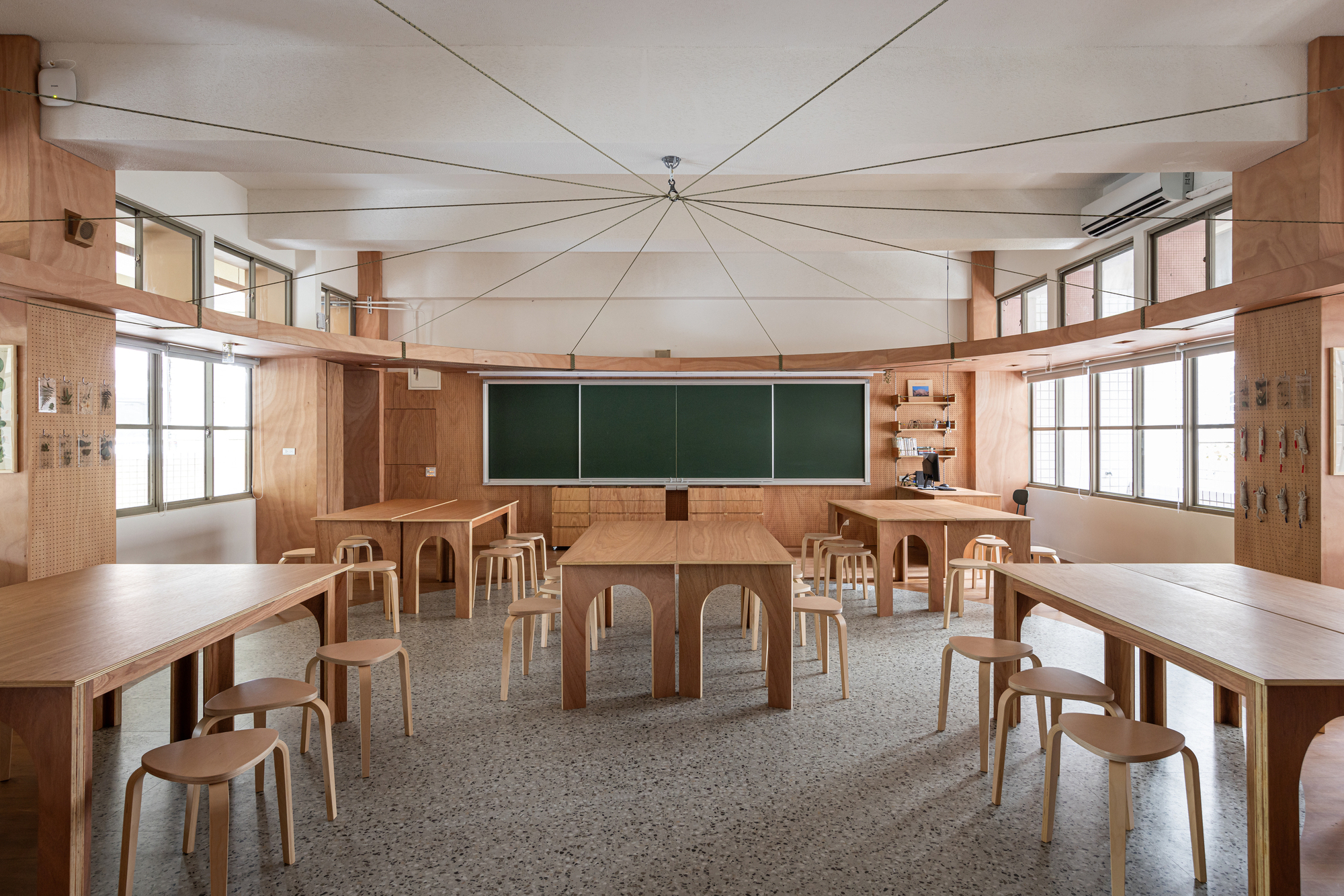
"The design of classrooms, childcare facilities, community centers, and public spaces directly shapes how sound is perceived, how communication unfolds, and how inclusion is experienced. Acoustics, spatial configuration, lighting strategies, and material choices can either reinforce barriers to participation or foster environments that support diverse auditory experiences."
"For children in particular, whose cognitive, linguistic, and social development is closely tied to sensory input, the quality of the built environment becomes inseparable from questions of access and equity."
"Spatial strategies such as improved classroom acoustics, clear sightlines for visual communication, and thoughtfully designed gathering spaces demonstrate how architecture can operate as a complementary form of care. Insights from Deaf-centered design frameworks reveal how inclusive strategies benefit not only children with hearing loss but all users."
World Hearing Day 2026 emphasizes early identification, inclusive education, and supportive environments for children's hearing care and development. Rising numbers of children experience preventable or untreated hearing conditions, requiring solutions beyond healthcare systems. The built environment—including classrooms, childcare facilities, and public spaces—directly influences how sound is perceived and communication occurs. Acoustic design, spatial configuration, lighting, and material choices either create barriers or support diverse auditory experiences. Architectural strategies such as improved classroom acoustics, clear sightlines for visual communication, and thoughtfully designed gathering spaces operate as complementary care. Deaf-centered design frameworks and sensory well-being research demonstrate that inclusive design benefits all users, not only those with hearing loss.
#hearing-care-and-accessibility #architectural-acoustics #inclusive-design #child-development #universal-design
Read at ArchDaily
Unable to calculate read time
Collection
[
|
...
]