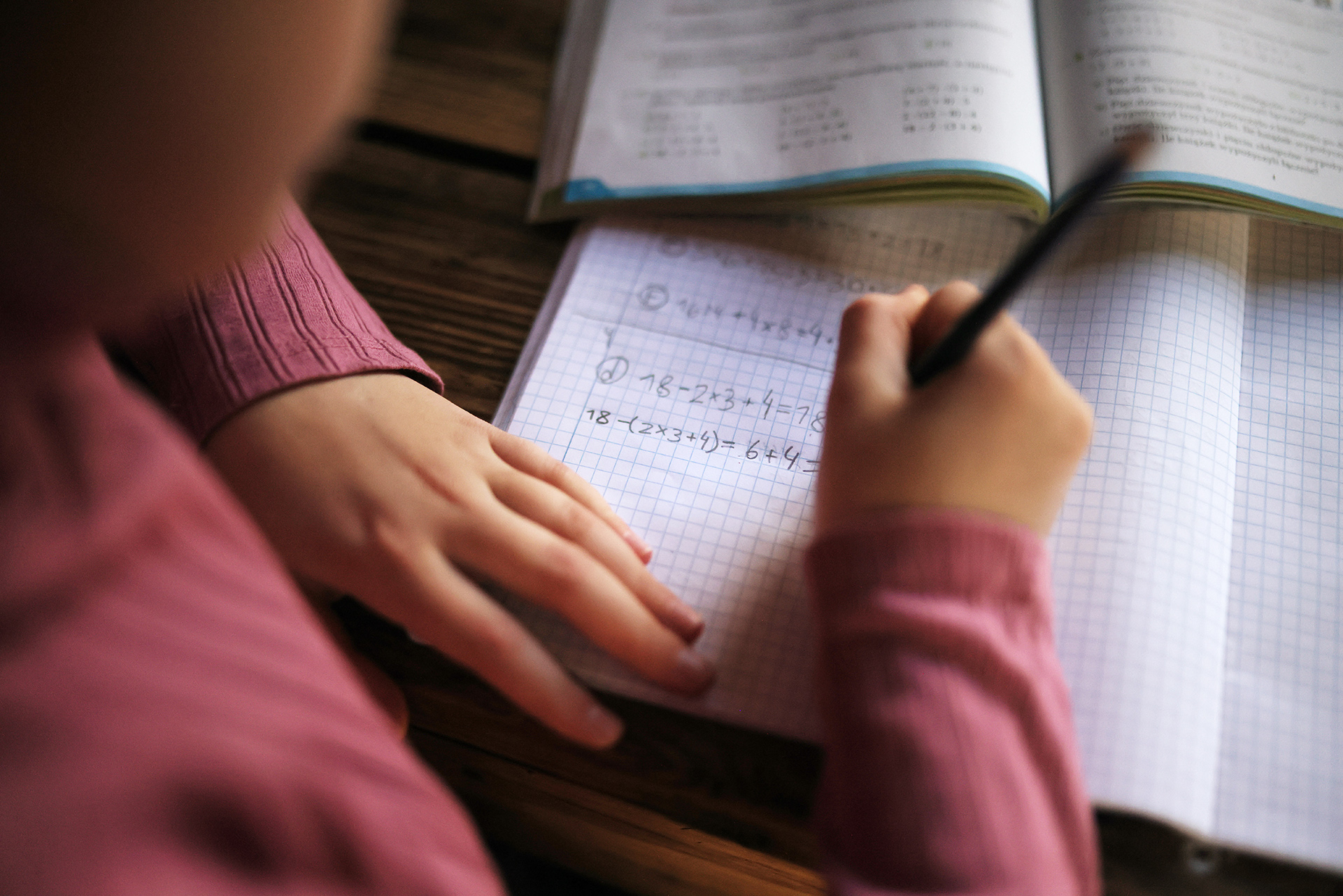
"Scholars are frustrated. After decades of effort to bring more challenge and joy to math class, American students have made little net progress. In 2022, the nation's students ranked 34th in the preeminent international test of mathematics. While the U.S. historically has never approached the top scores set by East Asian and Northern European students, the latest results have the country seven points below the average set by other affluent countries, and they represent the nation's lowest score in the history of the test."
"The advances began to stall out around 2011, then quickly melt away in the last five years even after $190 billion in pandemic relief was distributed to schools in 2020 and 2021. "It can feel like you're beating your head against the wall," said Heather Hill, the Hazen-Nicoli Professor in Teacher Learning and Practice at the Harvard Graduate School of Education. "It would have amazed my 25-year-old self, to see that we've made so little progress.""
American math achievement has shown little net progress despite decades of reform and $190 billion in pandemic relief to schools. U.S. students ranked 34th on the major international mathematics test in 2022, seven points below the affluent-country average and at the lowest score in that test's history. Gains that appeared steady stalled around 2011 and declined further in recent years. Recovery varies by gender, family income, state, and classroom. Protracted math deficits threaten lifetime earnings—one study estimates nearly $20,000 in lost income—and reduced access to advanced math undermines degree and STEM attainment, media literacy, and other outcomes.
Read at Harvard Gazette
Unable to calculate read time
Collection
[
|
...
]