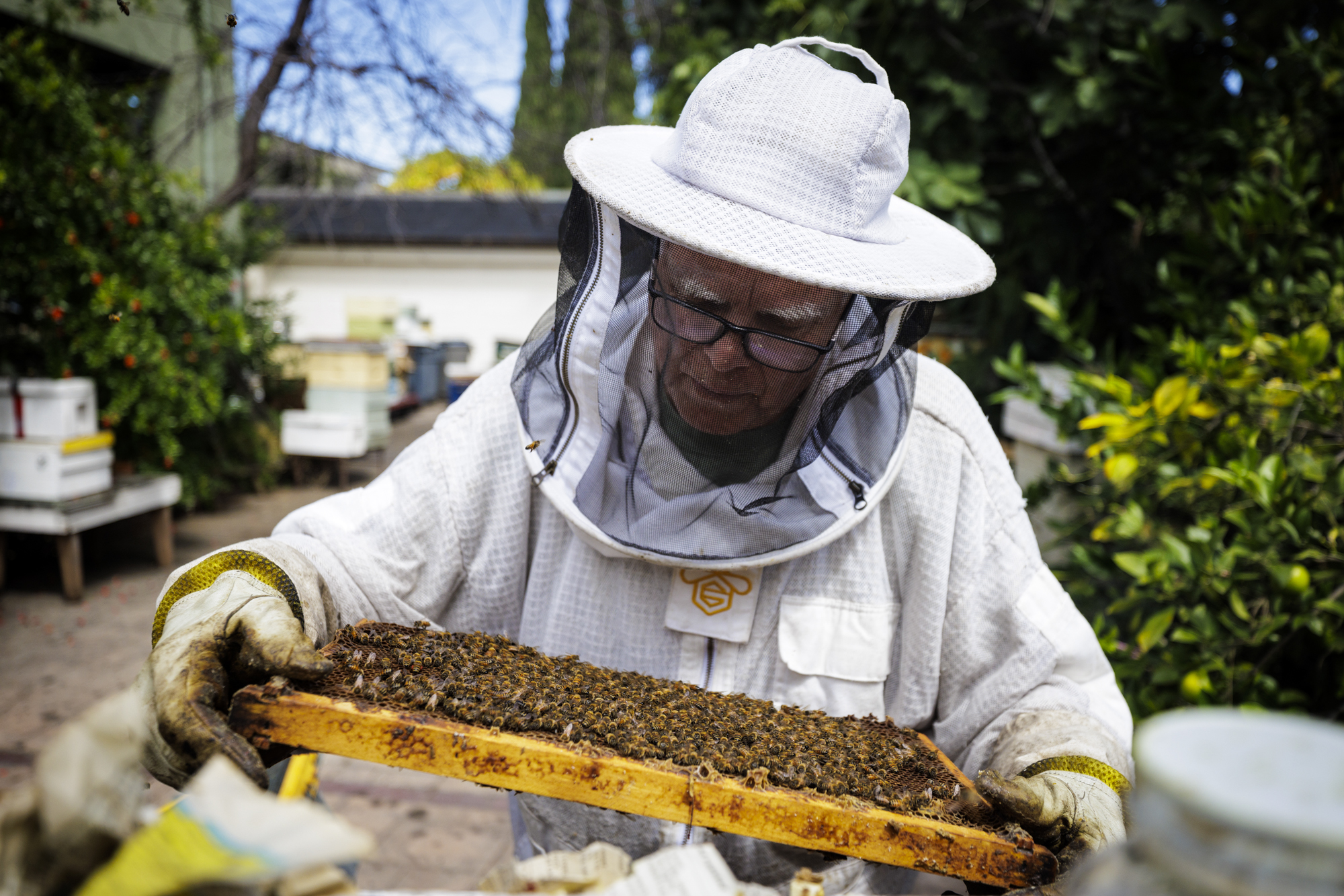
Swarms have been arriving earlier than usual, with some Bay Area counties seeing arrivals more than a month ahead of schedule. A tracking network of beekeepers reported that this year’s swarm season began about 17 days earlier nationwide, though experts note the dataset needs more time to confirm long-term trends. Warmer winter temperatures may have prevented bees from going dormant, leading to earlier activity. One beekeeper reported receiving more swarms than ever, followed by a slowdown after a cold snap. Historically warm conditions across the Bay Area included record high temperatures. Early swarming can reduce colonies used for pollination and honey production, and it can make colony health harder to predict later in the season.
"A new report published by Swarmed, a resource for bee removal and a tracking network of more than 10,000 beekeepers, found that this year's swarm season began an average of 17 days earlier than last year nationwide. In Bay Area counties, including San Francisco, San Mateo and Marin, some swarms arrived more than a month ahead of schedule. But bee experts think Swarmed's four-year dataset needs additional time to establish a trend."
""The change was most pronounced in California, where warmer winter temperatures meant that the bees may have never gone dormant for the winter," said Swarmed's managing director, Mateo Kaiser, a fifth-generation beekeeper based in Mountain View. Back at Demkowski's residence, swarms kept arriving through February, until a cold snap slowed the South Bay buzz. He has kept bees for 35 years and said the warmer winter may have prompted the early swarms."
""I got more swarms than I have ever had," Demkowski said. "But then it just stopped. Winter came back for a while, and it just messed everything up." This winter was historically warm across the Bay Area, with many areas shattering daily and monthly high-temperature records. Much of the West experienced the warmest winter on record "by a ridiculous margin," said Daniel Swain, a climate scientist with UC Agriculture and Natural Resources."
"Early swarming worries beekeepers because they can lose part of their colonies, which they rely on for pollination and honey production. "If the winter is warmer, then maybe years of gut intuition are no longer serving you as well as they used to because it's just harder to predict on your own," Kaiser said. "Beekeepers are losing swarms that way and are worried about the health of their colonies later in the season.""
Read at Kqed
Unable to calculate read time
Collection
[
|
...
]