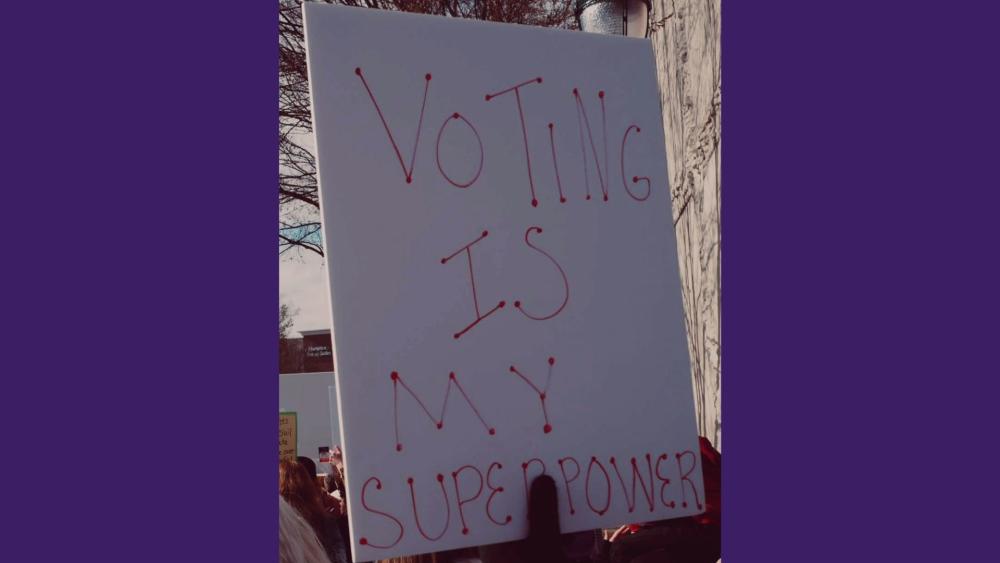
"The running of elections has thus become an increasingly data-driven exercise, and clear protections are needed to ensure that voter data is handled securely and privately."
"Disenfranchisement - the deprivation of the right to vote - erodes election integrity. The increasingly prominent role of data and tech in elections can lead to a chilling of political participation."
"Voter ID requirements necessitate the collection and retention of voter data that may not otherwise be necessary, violating voter privacy while also disenfranchising voters who are less able to obtain identification."
Democratic institutions are increasingly challenged to protect voter privacy and prevent disenfranchisement during elections. The use of technology for processes like biometric registration and e-voting raises concerns about data security. Election officials collect vast amounts of voter data, necessitating robust privacy protections. Adherence to updated privacy laws is crucial to safeguard voter data and ensure election integrity. Disenfranchisement, particularly among minority groups, can result from stringent voter ID requirements and the misuse of biometric technology, which may violate privacy and hinder participation.
Read at Privacy International
Unable to calculate read time
Collection
[
|
...
]