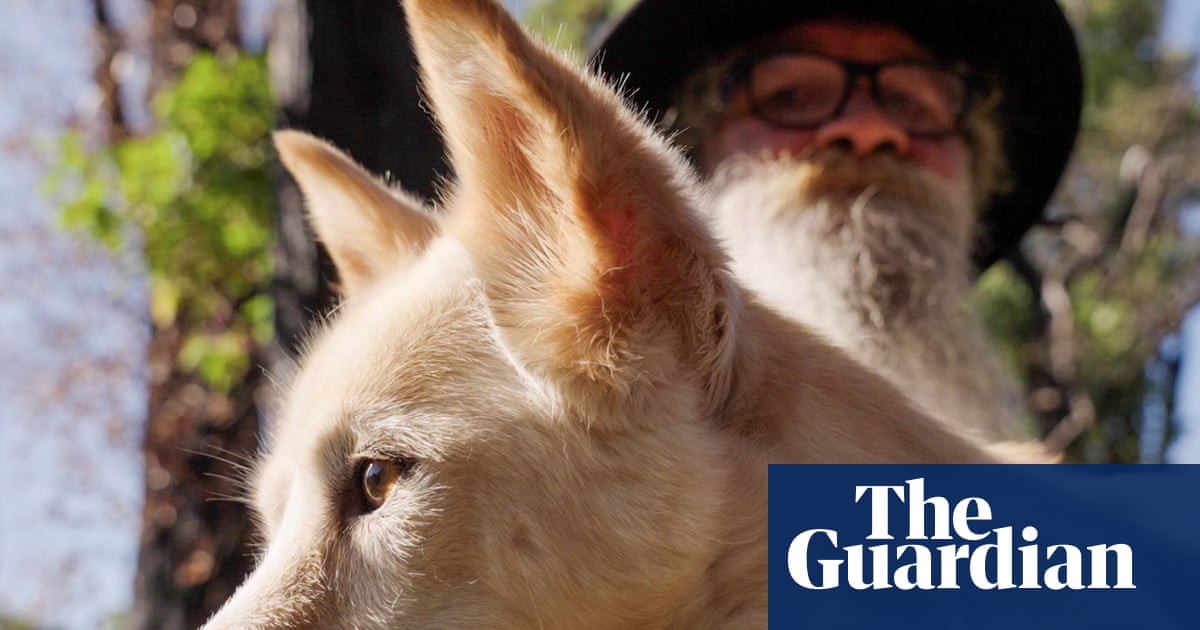
"“The bush was home, says Pettersen, a Menang and Nadju Noongar elder who now lives in Albany. And you know when people long for home, they sing songs, songs that take them back there? That's what the dingo howl sounds like to me.”"
"“Across Australia, dingoes were once widespread. Since colonisation, they have been shot, trapped, poisoned and fenced out of pastoral regions, most visibly by the 5,614km dingo fence running through Queensland, New South Wales and South Australia.”"
"“Many Aboriginal communities say the loss is cultural as well as ecological: the disappearance of an animal held in stories, totems and songlines. For most of her life, Pettersen thought she was alone in that grief. I thought I was just a lone cry for something we lost, she says.”"
"“That project was Moort: Calling Dingo Back to Country, a short documentary by Defend the Wild and Dingo Culture featuring Pettersen and other custodians. Moort means family in Noongar a title that points to the film's central argument.”"
A Noongar elder grew up in the bush near the Fitzgerald River in the 1940s, where dingoes were part of daily life and their calls felt like a longing for home. Since colonisation, dingoes have been widely reduced through shooting, trapping, poisoning, and fencing, including a long dingo fence across multiple states. The decline is described as cultural as well as ecological, because dingoes appear in stories, totems, and songlines. The elder had not seen a wild dingo for decades and believed her grief was personal until involvement in a documentary project. The project, titled Moort: Calling Dingo Back to Country, uses the meaning of “family” to argue for returning dingoes to country.
Read at www.theguardian.com
Unable to calculate read time
Collection
[
|
...
]