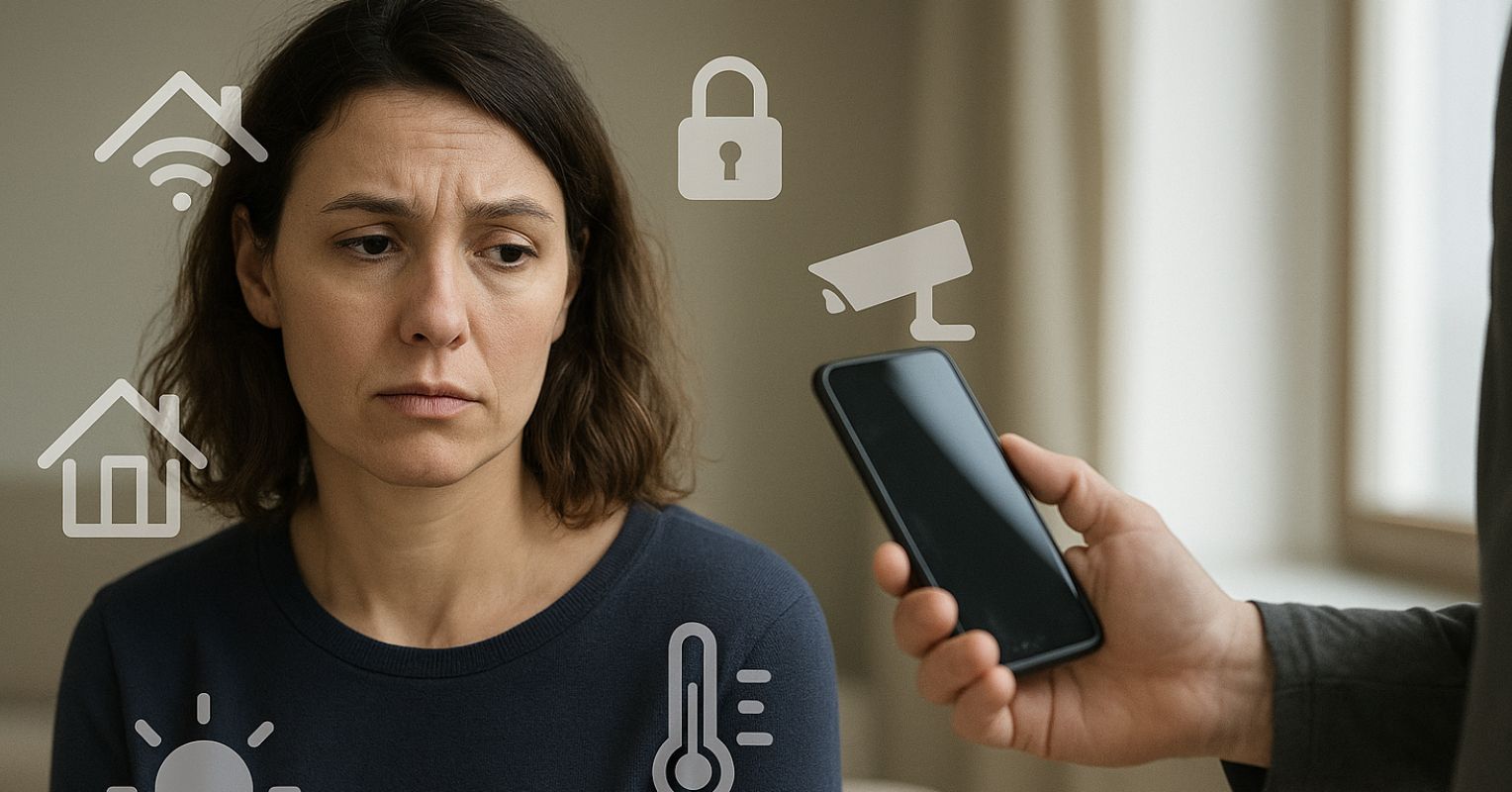
Smart home, IoT, and AI technologies deliver convenience and connectivity but are increasingly misused as tools of coercive control in abusive relationships. Perpetrators can remotely manipulate smart locks, thermostats, speakers, and GPS-enabled devices to lock victims out, monitor movements, or intimidate. Such tech-enabled surveillance erodes safety, autonomy, and sense of reality without leaving physical marks, producing chronic anxiety and stress as victims feel constantly watched. The house can function as an instrument of control, making technology feel like an invisible prison. Increased awareness among mental-health professionals, law enforcement, and survivors, along with documentation and safety planning, helps reduce risk and restore control.
"The rise of the Internet of Things (IoT) and artificial intelligence (AI) in the home and our daily lives delivers convenience, efficiency, and connection. Smart locks that open a door with a voice command, thermostats that learn our comfort patterns, phones that track our steps and sleep-technology now lives in our pockets through powerful apps, keyless cars, bedrooms, and even in our front door entry. Yet these same technologies, when misused, are rapidly becoming tools of coercive control in abusive relationships."
"Digital abuse is no longer limited to threatening messages or stolen passwords. A perpetrator may lock someone out of their home using a smart-lock app, turn off lights or heat a room remotely, control smart speakers in the home to intimidate or harass, or use GPS-enabled devices to continually track movement. This tech-facilitated surveillance can undermine a survivor's sense of safety, autonomy, and reality, and it often leaves no bruises, only data trails and fear."
"Victims' feeling like they are being watched while doing basic daily tasks, such as making a coffee or just driving to work, can create a deep sense of psychological anxiety and stress. The abuser doesn't have to be physically present; the house itself can become an instrument of control. For some, technology begins to feel like an invisible prison."
Read at Psychology Today
Unable to calculate read time
Collection
[
|
...
]