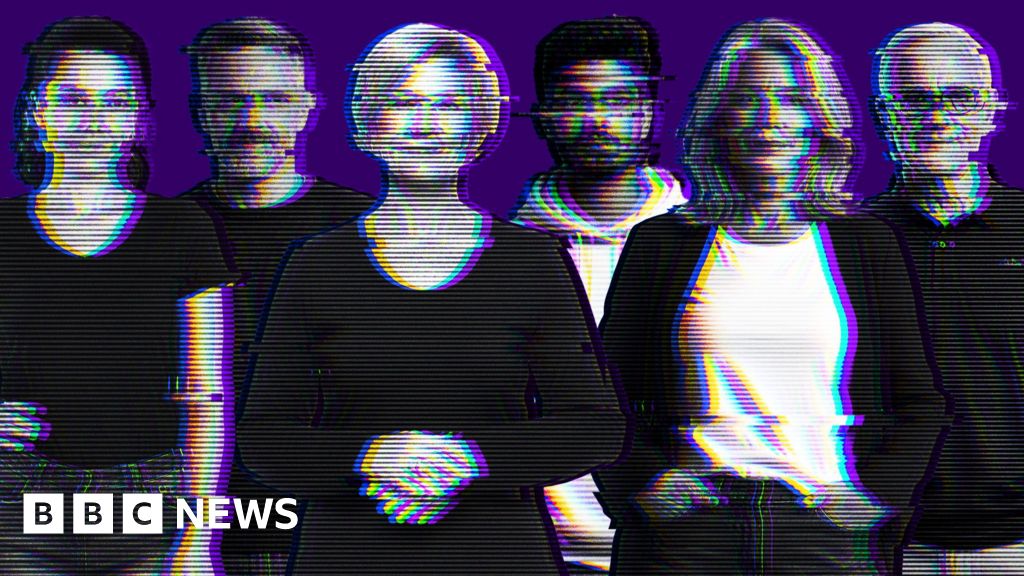
"The profiles can't represent every Welsh voter, and charting what they see isn't a scientific exercise, but it will give us a glimpse into the types of content people are being shown."
"Social media algorithms are sophisticated, and what's on your feed can vary wildly from someone else's; a lot of the content is targeted based on your interests and online profile."
"Despite BBC One being the single top news source, Facebook was a close second and Instagram and YouTube were also in the top 10."
"Apps like these aren't single sources of news. They represent a whole mix of content from news outlets, influencers, commentators, everyday people, party political groups and more."
Over the next five weeks, six fictional voters will be used to explore online content as the Senedd election approaches. These undercover voters represent different groups in Wales, providing insight into the varied content shown on social media platforms. The study will track their experiences on YouTube, Facebook, TikTok, Snapchat, Instagram, and X. Social media algorithms significantly influence what users see, with platforms like Facebook and Instagram ranking high among news sources, showcasing a mix of content from various origins.
Read at www.bbc.com
Unable to calculate read time
Collection
[
|
...
]