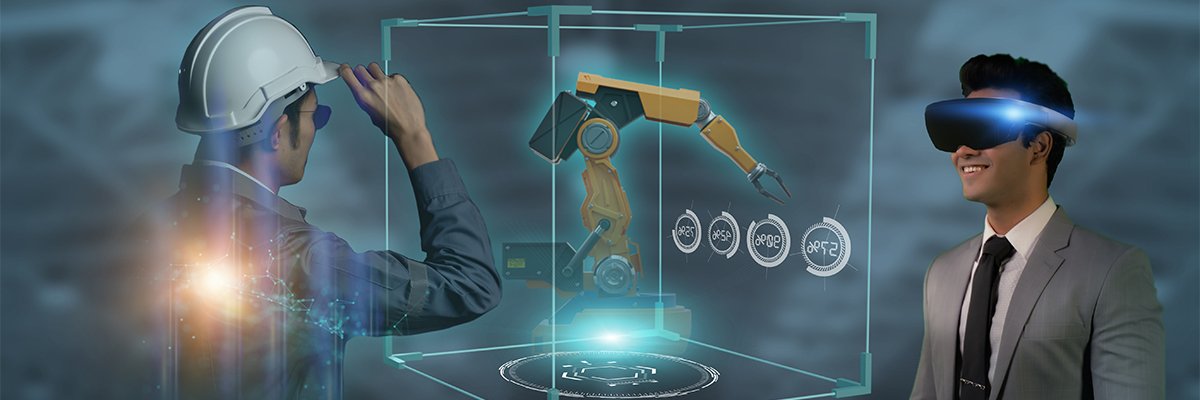
"Digital twins - virtual representations of environments and dynamics of interest - can address a wide range of decision-making needs and opportunities, and expectations for the technology and related applications are high. A study from Fortune Business Insights projects the market to grow from $24bn in 2025 to more than $250bn in 2032. Digital twins can support research, planning and operations across a wide range of application areas, such as biological systems, machines and infrastructures, industrial operations, communities and cities,"
"The versatility of digital twins is substantial, but hurdles exist that prevent them from reaching their full potential. Some dynamics are not fully captured, while other dynamics are difficult to address comprehensively. In some cases, artificial intelligence (AI) can reduce existing limitations, but use of AI can create its own problematic issues. Recent discussions have centred on their use for robotics and robotics management."
"Complicated systems behave in predictable ways. Complex systems, in contrast, will behave differently each time, in part because of human behaviour that can change according to many influences. Most digital twins tend to omit human behaviour, while others treat human behaviour as predictable placeholders - in a way, they mechanise human behaviour. But human behaviour and interactions are of crucial importance in simulating dynamics for digital twins for cities and urban environments - after all, that's what cities and communities are ultimately created for."
Digital twins are virtual representations of environments and dynamics used for decision-making across research, planning and operations. Market projections rise from $24bn in 2025 to over $250bn by 2032. Applications include biological systems, machines, infrastructure, industrial operations, communities, cities, global dynamics and robotics management. The technology is versatile but faces hurdles because some dynamics are not fully captured and others are hard to address comprehensively. Artificial intelligence can reduce some limitations but can introduce problematic issues. Machines and infrastructure can be modelled with physical formulas and sensor data, while human behaviour often remains omitted or mechanised despite its crucial role in urban simulations.
Read at ComputerWeekly.com
Unable to calculate read time
Collection
[
|
...
]