"When you put in the addictive algorithm, you do it deliberately. This pushes back against the notion that these systems are inevitable consequences of technology, suggesting instead that platform designers make deliberate choices to maximize engagement through outrage, fear, and extreme content rather than meaningful discourse."
"One of the things I wanted to do was to be able to replace the coffee place. Berners-Lee conceived the web to scale informal knowledge exchange that occurred through hallway conversations and coffee breaks at CERN, enabling scientists to share information across institutions globally through a decentralized system."
"Most of the web, I'm very positive about. There are some bits I'm disappointed in. While acknowledging that most of the web functions according to its original decentralized design with open standards enabling communication, Berners-Lee expresses selective disappointment with how certain platforms, particularly social media, have evolved away from these principles."
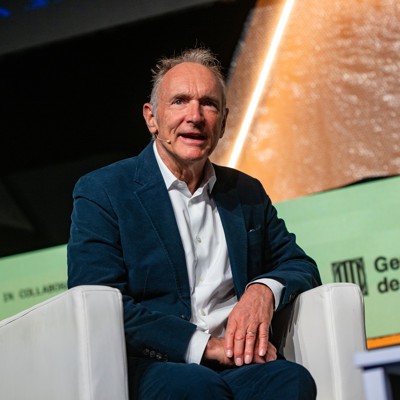
Tim Berners-Lee, the web's inventor, addresses how today's digital platforms have diverged from the web's original decentralized design principles. He created the web in 1989 at CERN to facilitate information sharing among scientists, envisioning it as a replacement for informal knowledge exchange. The web was intentionally decentralized, allowing anyone to link to anything without central authority control. While most of the web continues functioning as intended with open standards enabling browser-website communication, Berners-Lee expresses disappointment with social media platforms. These platforms transformed from connecting small friend groups into feed-curation systems for billions, deliberately employing addictive algorithms that prioritize engagement through outrage and fear rather than substantive debate.
#web-design-philosophy #social-media-algorithms #platform-business-models #digital-engagement #decentralization
Read at Nextgov.com
Unable to calculate read time
Collection
[
|
...
]