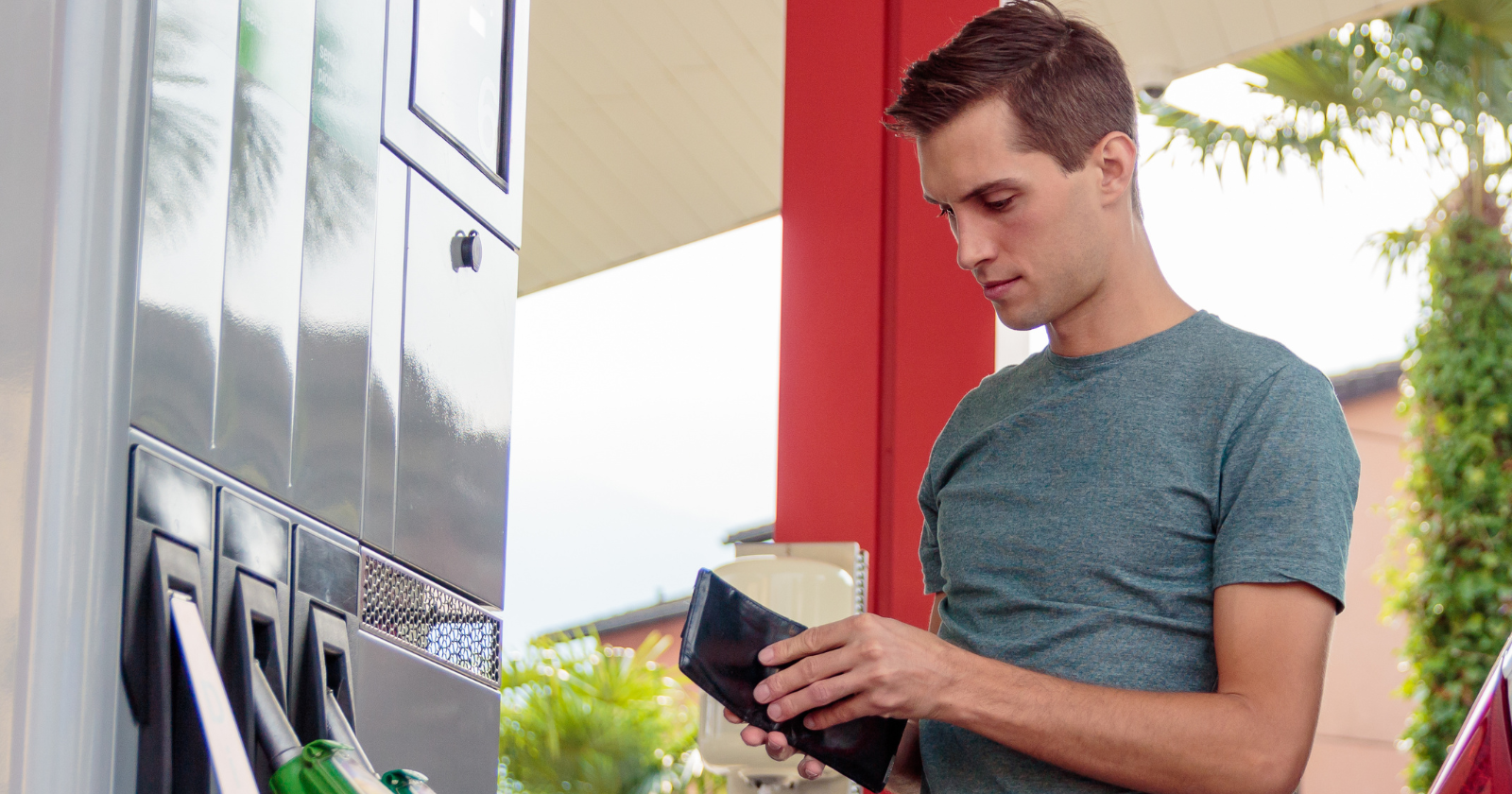
"There's something primal about physical money. You can hold it, count it, hide it under your mattress if you want to. For cash carriers, this tangibility represents more than nostalgia—it's insurance. They've often witnessed or experienced moments when digital systems failed. Maybe they remember the 2008 financial crisis when ATMs ran dry. Or they lived through natural disasters where card readers became useless plastic."
"My father, who worked in a factory and got involved in union organizing, taught me early that power isn't always where you think it is. Sometimes it's in having options when everyone else is stuck. Cash represents that option. These folks aren't paranoid. They're prepared. There's a difference."
Some people continue carrying cash despite rarely using it, driven by deeper motivations than old-fashioned preferences. These individuals often experienced financial crises, system failures, or natural disasters where digital systems became inaccessible. Cash represents tangible security and control—the ability to access funds when electronic systems fail. Beyond security concerns, cash carriers understand behavioral economics principles about spending psychology. The physical act of handing over money creates psychological friction that discourages unnecessary purchases, whereas digital payments feel frictionless and encourage overspending. This behavior reflects preparedness rather than paranoia, representing a deliberate choice to maintain financial options and autonomy in an increasingly digital world.
#cash-usage-behavior #financial-security #system-resilience #spending-psychology #digital-vs-physical-payments
Read at Silicon Canals
Unable to calculate read time
Collection
[
|
...
]