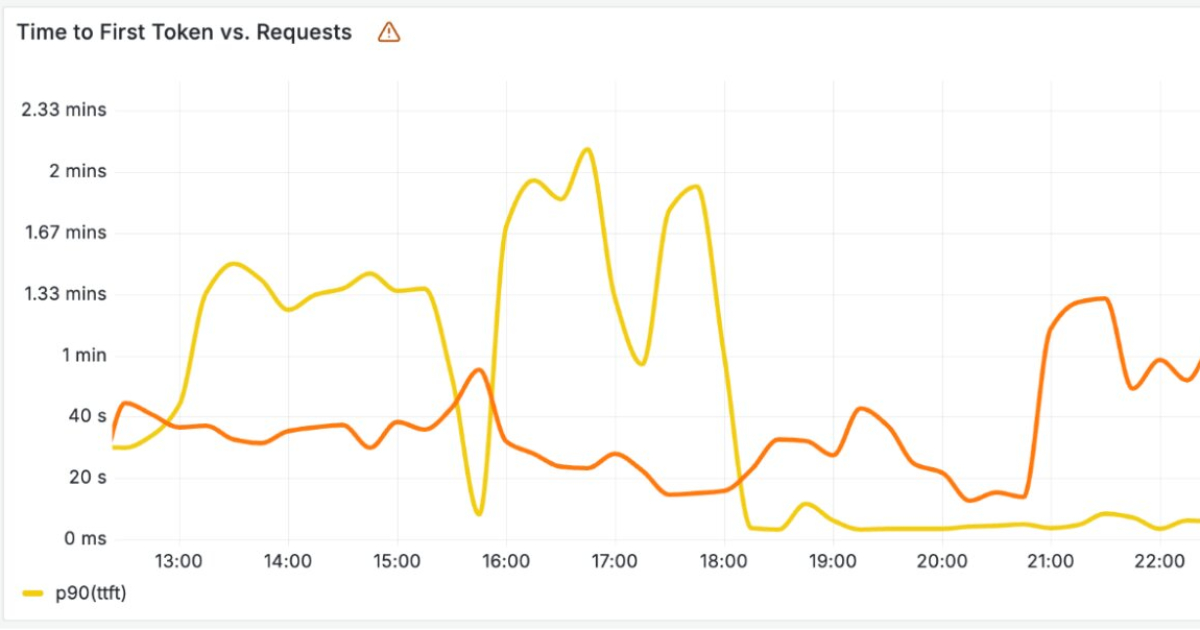
Cloudflare introduced new infrastructure to run large AI language models efficiently across its global network. The architecture separates input processing and output generation into two distinct stages, utilizing a custom inference engine named Infire. This engine enhances performance by managing GPUs effectively, reducing memory usage, and accelerating model startup times. Large models, such as Kimi K2.5, require significant hardware resources, and Cloudflare's optimizations aim to improve response times and overall efficiency in handling these complex models.
"One hardware configuration that we use to improve performance and efficiency is disaggregated prefill. There are two stages to processing an LLM request: prefill, which processes the input tokens and populates the KV cache, and decode, which generates output tokens. Prefill is usually compute bound, while decode is memory bound."
"Infire runs large language models across multiple GPUs more efficiently, reduces memory usage, and starts models more quickly, delivering faster responses."
"For pipeline parallelism, Infire attempts to properly load balance all stages of the pipeline, in order to prevent the bottleneck that can occur during processing."
Read at InfoQ
Unable to calculate read time
Collection
[
|
...
]