"In cold countries like Canada, where winter temperatures can plunge well below freezing, airtightness is not a luxury. Buildings must resist the exterior environment entirely to maintain interior comfort."
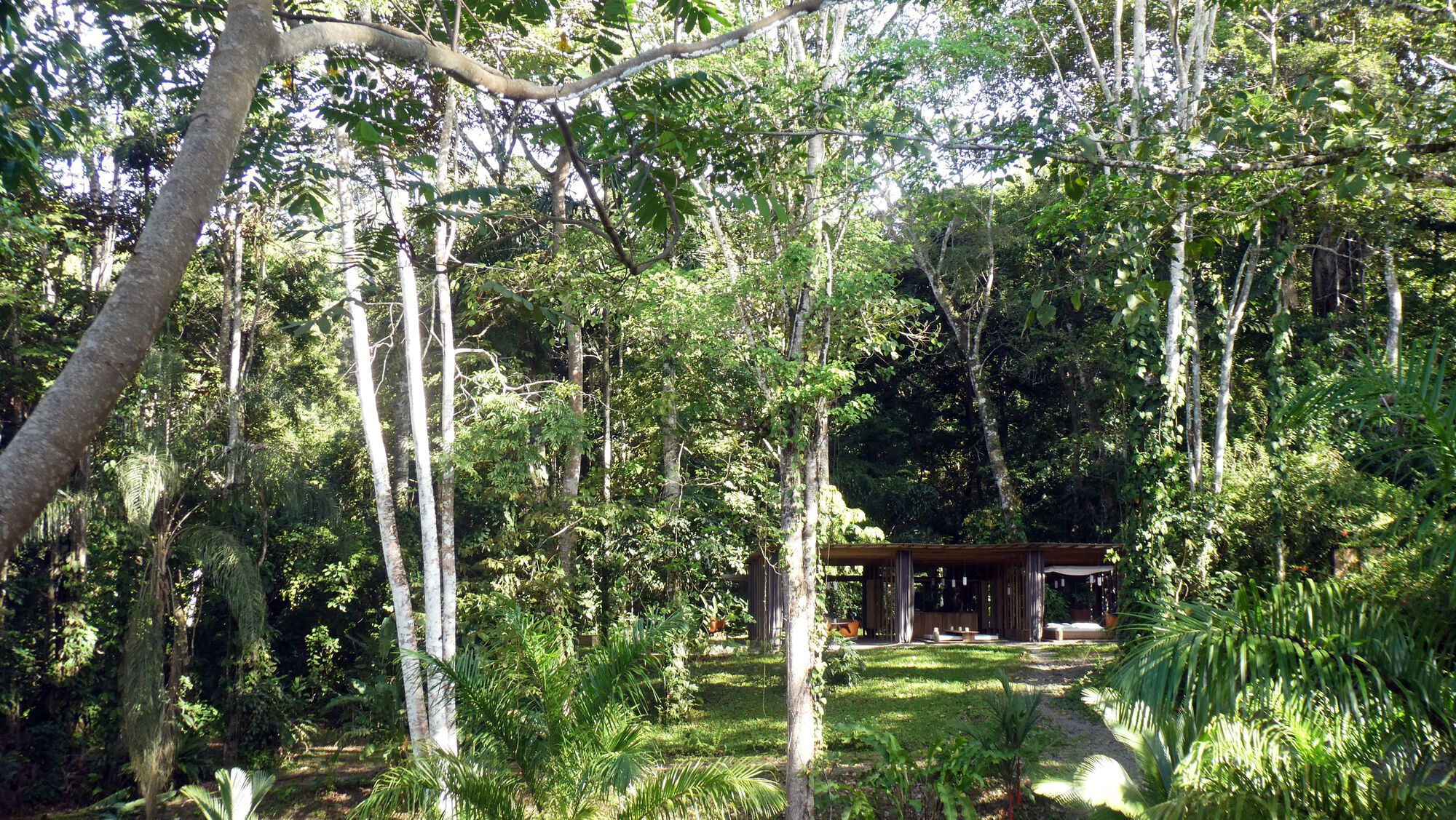
"In Central America, the envelope is not a wall of defense but a specialized filter. The primary driver of this shift is thermal stability."
"In lowland cities like Panama City or Managua, monthly average temperatures fluctuate narrowly between 23°C and 35°C, eliminating the need to buffer extreme thermal swings."
"In highland areas, such as Tegucigalpa or Guatemala City, the temperature range sits between 15°C and 30°C, indicating a climate that is persistently warm."
In temperate and cold climates, architecture prioritizes a sealed building envelope to resist harsh exterior conditions, ensuring interior comfort. In cold regions like Canada, airtightness is essential due to extreme winter temperatures. Conversely, in Central America, the architectural approach shifts to a specialized filter that negotiates with the climate. The consistent warm temperatures in lowland and highland areas eliminate the need for extreme thermal resistance, allowing for a design that accommodates stable conditions rather than extreme fluctuations.
Read at ArchDaily
Unable to calculate read time
Collection
[
|
...
]