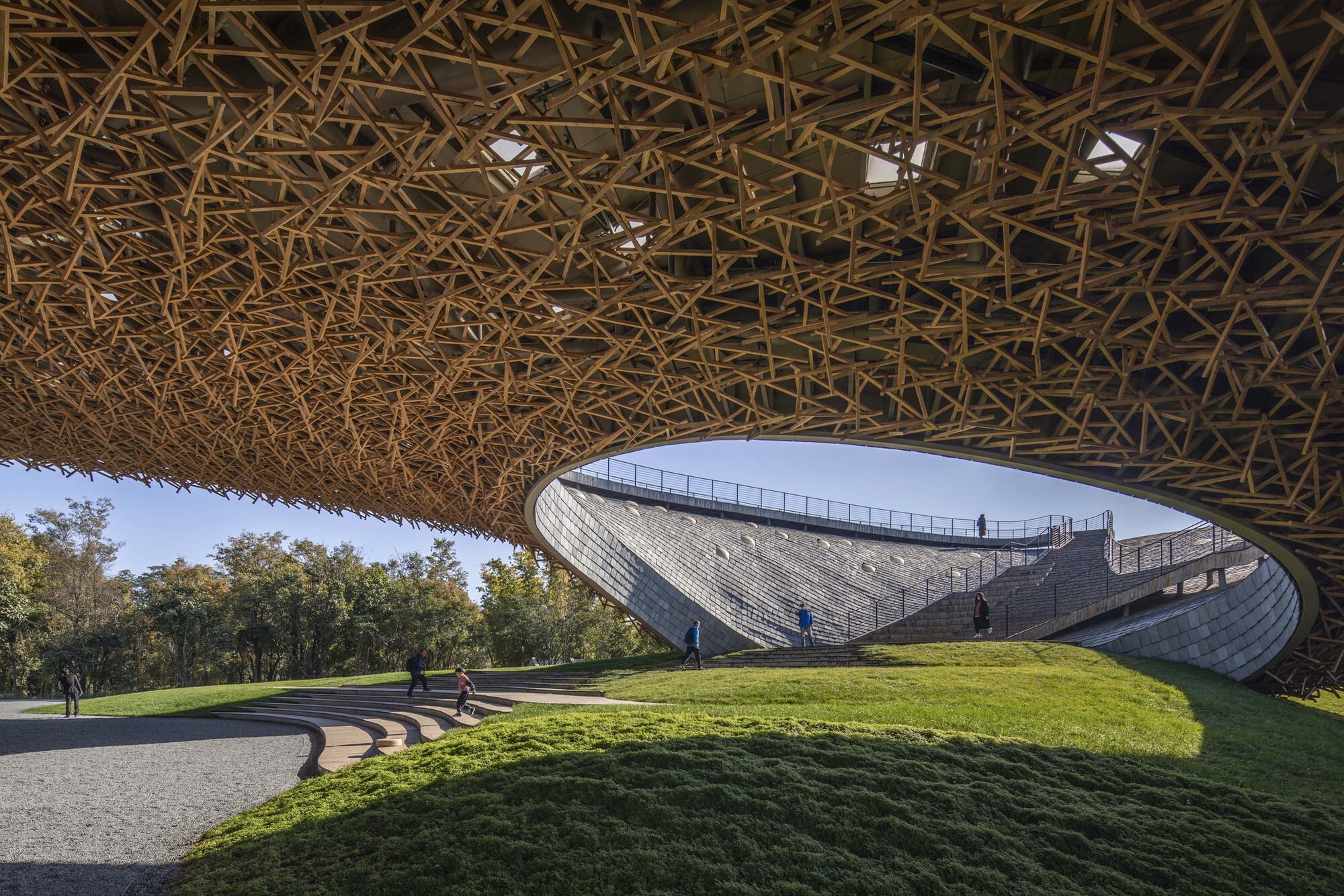
"With an artistic and exploratory approach, it investigates the relationship between the roots that anchor architecture in specific natural and cultural contexts and the innovation that drives architecture as a form of artistic revolution. In his interview with Louisiana Channel, Zhu Pei describes architecture as an artistic discipline that, like poetry, relies on openness, imagination, and the creation of new experiences."
"He argues that great architecture goes beyond functional problem-solving by generating a sense of wonder through its ability to "invent" and "create some new thing, new experience," positioning architectural practice as cultural and sensory exploration rather than purely technical production. My philosophy really wants people to understand, so building architecture should not only be looking to the future, looking to the technology future, but actually in the tradition, knowing they have the contemporary things behind."
"We have to really understand, you know, for my point of view, not only understand the nature of past things, we need understand the present nature of the past things. I think once you make this connection, first of all, your building must be smart, and also you feel somehow connected with local people, local life. You don't feel this building weird."
Zhu Pei is a Chinese architect born in 1962 in Beijing. He studied at Tsinghua University and UC Berkeley and founded Studio Zhu Pei in 2005. The studio pursues experimental work in architecture, art, and cultural projects with an artistic and exploratory approach. The practice investigates roots anchoring architecture in natural and cultural contexts while pursuing innovation as artistic revolution. Architecture functions like poetry, relying on openness, imagination, and new experiences, generating wonder beyond technical problem-solving. The Architecture of Nature philosophy reads landscapes and local traditions and responds to climate change and ruptured regional traditions.
Read at ArchDaily
Unable to calculate read time
Collection
[
|
...
]