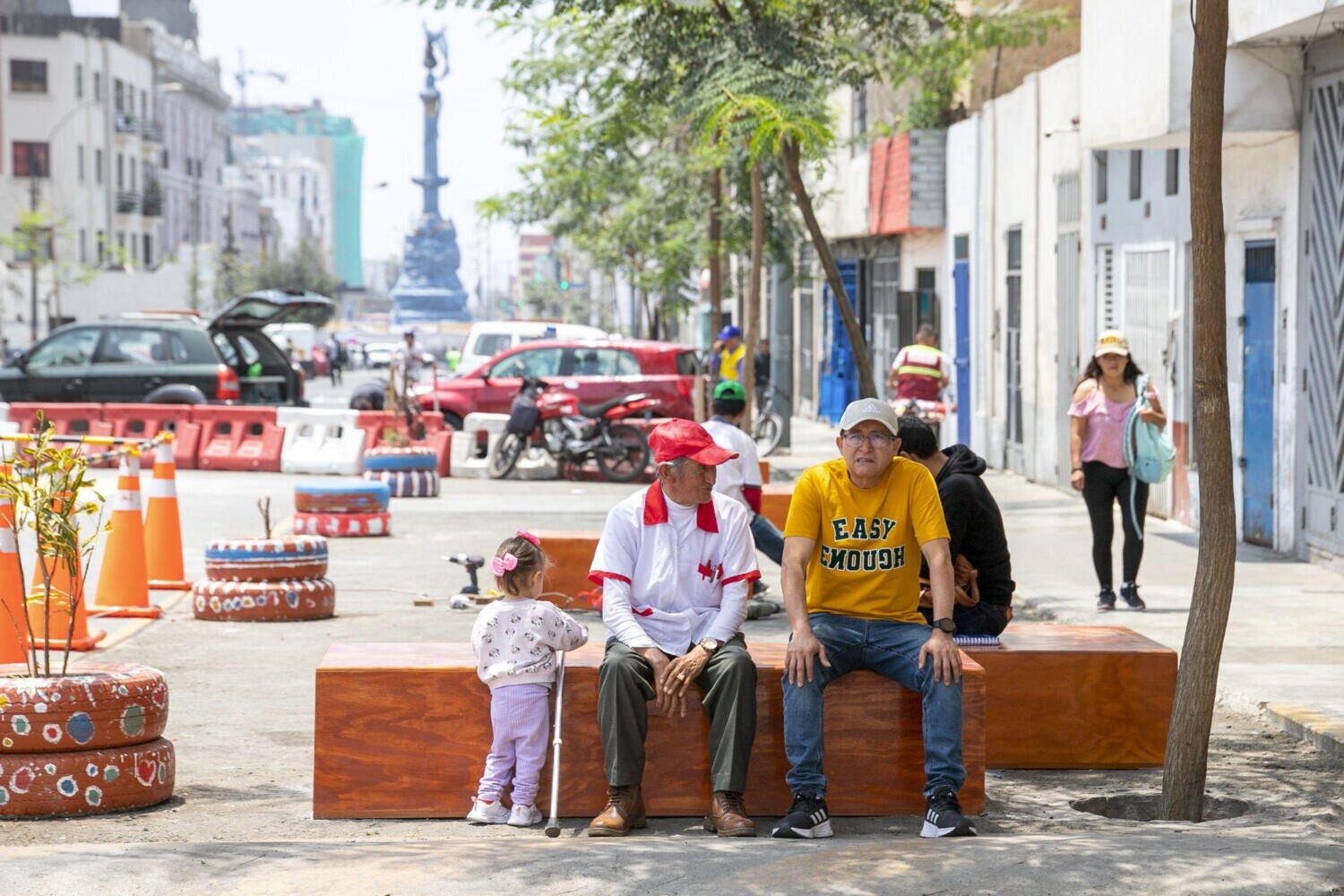
"Jane Jacobs was also one of the voices that challenged this predominantly rationalist logic, arguing that truly vibrant streets are those capable of sustaining the diversity of everyday life, its informal exchanges, and the forms of care and natural surveillance that emerge from them. What these authors share is a fundamental insight: streets are not merely infrastructures for circulation, but social ecosystems, shaped by the relationships, uses, and encounters that take place within them."
"If the flâneur represents the freedom to wander, the child embodies the right to unproductive time, to detours, and to play-practices that rarely find space in streets designed exclusively around traffic and productivity. Designing from a child's perspective does not mean romanticizing or infantilizing the city, but rather recognizing that the quality of public space is measured by its capacity to accommodate different bodies, ages, abilities, and ways of being together."
The flâneur embodies attentive wandering and openness to chance, contrasting twentieth-century rationalist planning that prioritizes efficiency and uninterrupted flow. Streets designed solely for circulation restrict detours, pauses, and coexistence of different rhythms. Vibrant streets sustain diverse everyday life through informal exchanges, care practices, and natural surveillance generated by users themselves. Centering childhood emphasizes the right to unstructured time, play, and accidental learning, revealing how public space quality depends on accommodating varied bodies, ages, and abilities. Intergenerational coexistence and shared experience foster belonging. Safety, health, and well-being must be integrated into street design rather than treated as add-ons.
Read at ArchDaily
Unable to calculate read time
Collection
[
|
...
]