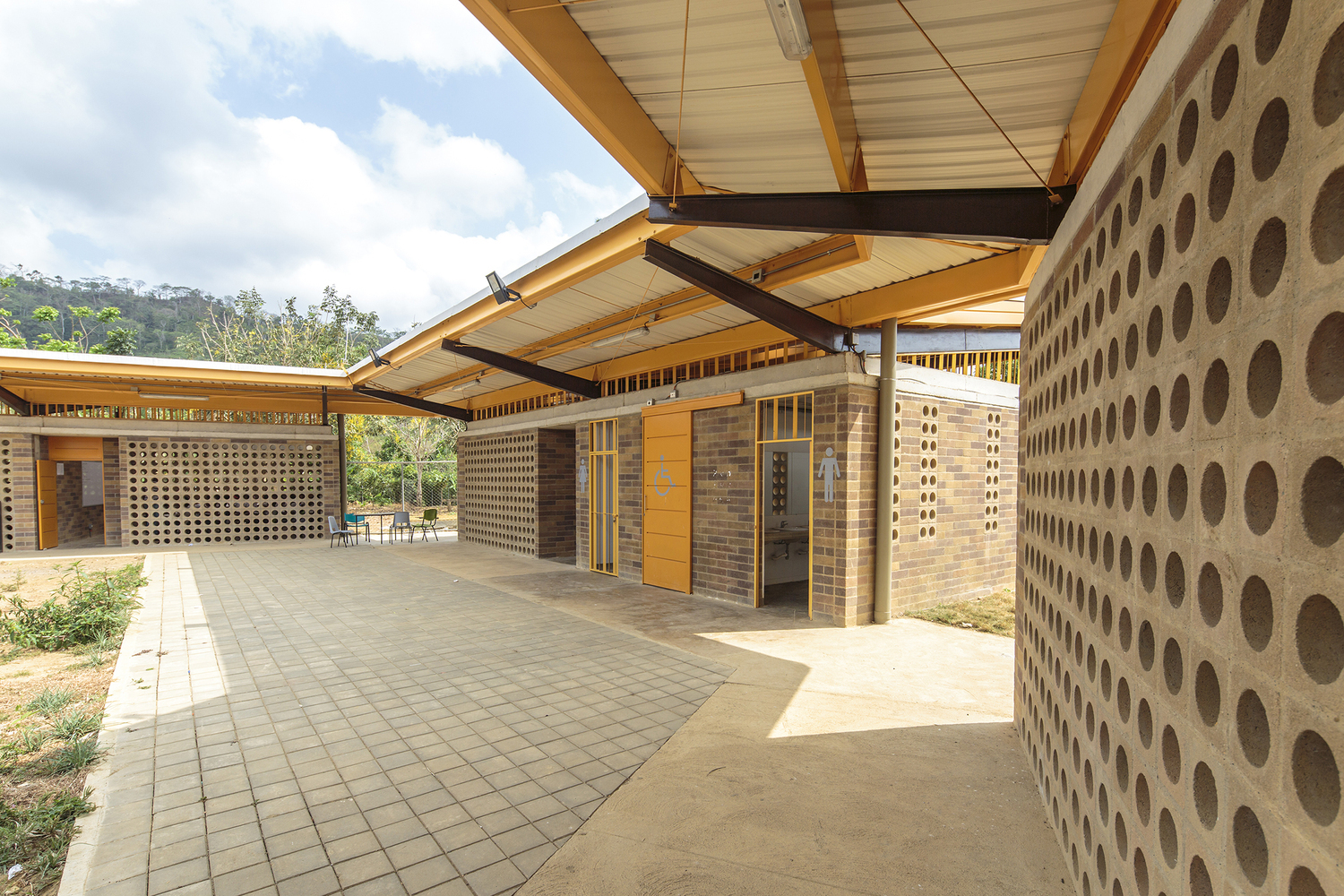
"Architecture in Latin America often operates as open structures, allowing air, light, and movement to flow through, rather than functioning as closed objects that define clear limits."
"The role of construction shifts from creating limits to supporting spaces that remain open to their surroundings, emphasizing the importance of climate and environmental engagement."
In Latin America, architecture transcends traditional enclosure, allowing for open structures that facilitate air, light, and movement. This approach responds to local climates characterized by heat and humidity, where fully sealed interiors are less effective. Space is organized through elements like shade and ventilation, creating environments that are interconnected rather than isolated. Lightness in architecture arises from permeability and a unique spatial organization, where structural elements support open experiences rather than serve as strict boundaries, allowing the environment to influence the architectural experience.
Read at ArchDaily
Unable to calculate read time
Collection
[
|
...
]