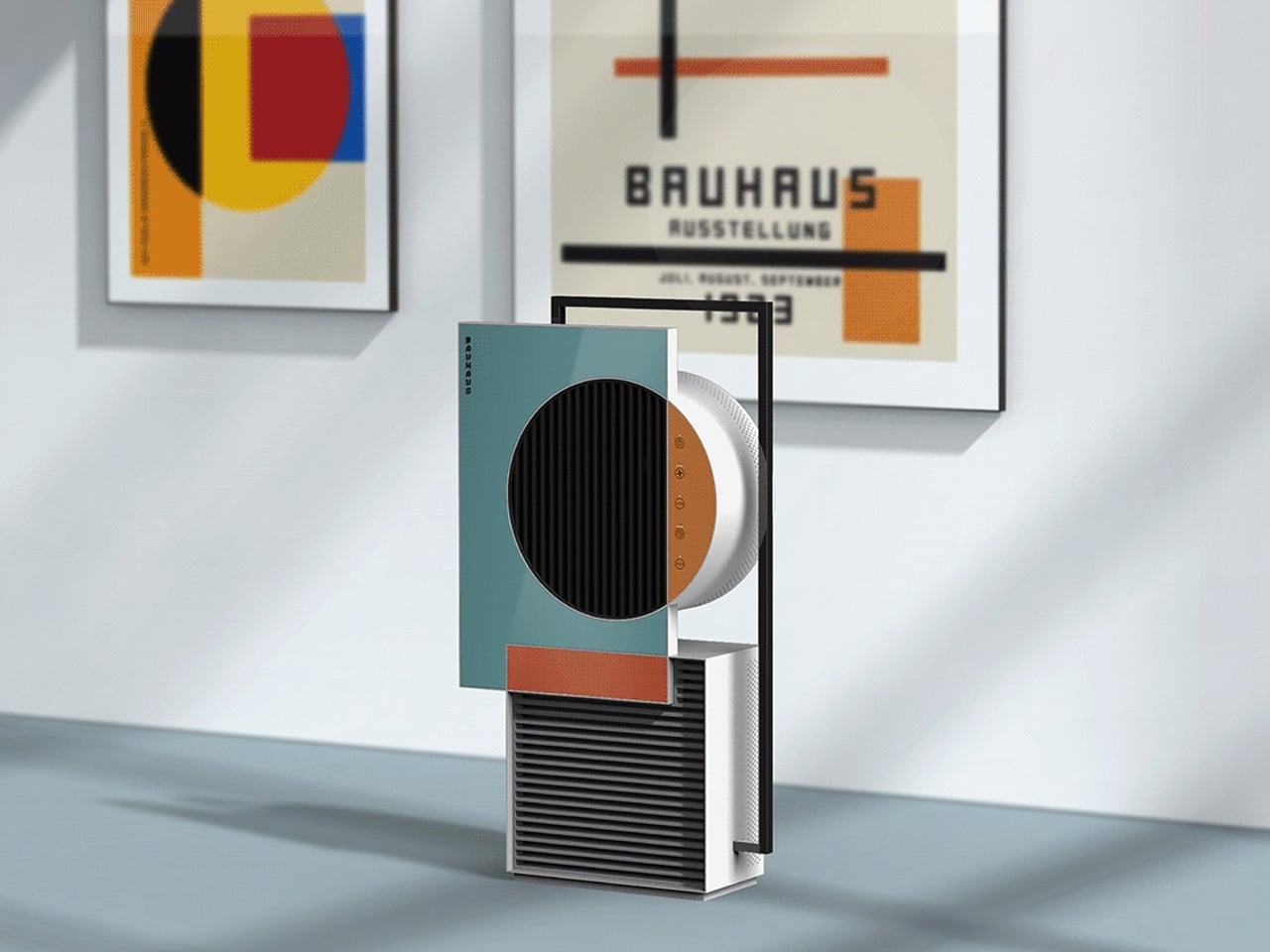
"German design embodies a philosophy of durability, efficiency, and understated elegance. From cars to kitchen appliances, these qualities reflect a carefully refined approach that has developed over centuries, prioritizing function and thoughtful craftsmanship over mere decoration. At its core, this design ethos values simplicity, removing unnecessary elements to reveal a product's true character. Applied to interiors, it shows that spaces do not need to be filled with clutter to be beautiful."
"German design draws heavily from the Bauhaus school, an early 20th-century movement that emphasized practicality and timelessness. Its central principle, "form follows function," ensures that an object's shape and appearance are guided by its purpose. Clean lines, geometric shapes, and minimal ornamentation define this approach, resulting in designs that are both enduring and inherently useful. This philosophy makes German products intuitive and effortless to use."
German design emphasizes durability, efficiency, and understated elegance across products and interiors. The approach prioritizes function and thoughtful craftsmanship over decoration. Simplicity removes unnecessary elements to reveal a product's true character and allows interiors to remain uncluttered yet beautiful. The Bauhaus principle 'form follows function' guides shapes and appearances according to purpose, favoring clean lines, geometric forms, and minimal ornamentation. Bauhaus-inspired objects prioritize comfort, stability, and intuitive use while retaining visual appeal. The Bauhaus Air Purifier concept applies basic shapes and minimalist colors to merge two-dimensional art with three-dimensional industrial design, offering performance and color customization options.
Read at Yanko Design - Modern Industrial Design News
Unable to calculate read time
Collection
[
|
...
]