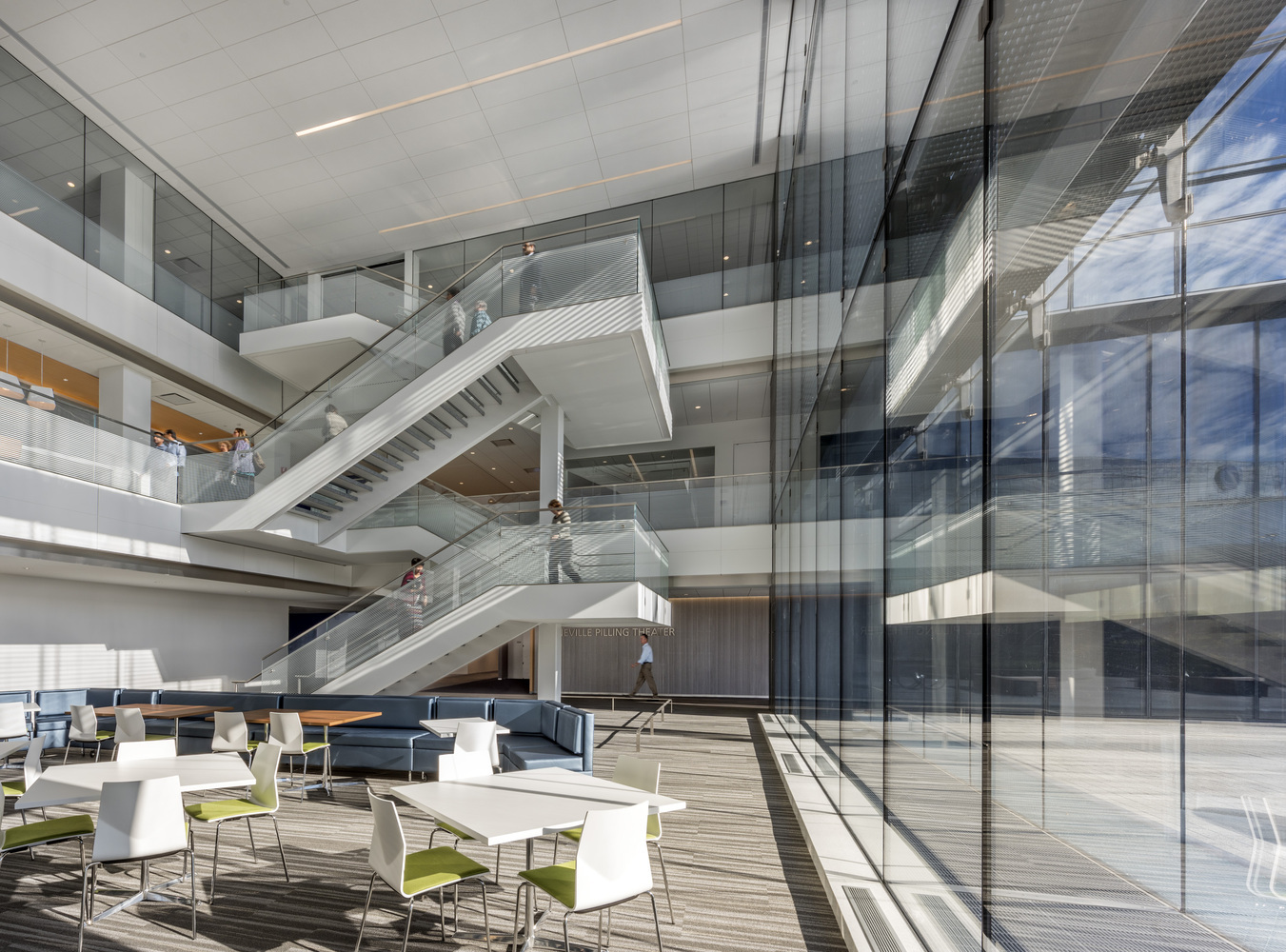
"Glass is an amorphous solid, meaning its atoms are not arranged in a regular crystalline structure. This structural configuration explains one of its most distinctive qualities: transparency."
"Glass has profoundly shaped modern architecture. Its ability to admit light while defining physical boundaries transformed the way buildings relate to their surroundings."
"Among the companies that contributed to this technological evolution, Pilkington holds a significant place. The company would go on to play a decisive role in many of the transformations that followed."
"The history of architectural glass is closely tied to the industrialization of the nineteenth century. Before this period, production was limited in scale and often resulted in uneven surfaces."
Glass is defined as an amorphous solid, lacking a regular crystalline structure, which contributes to its transparency and mechanical strength. Industrial processes enhance its performance, making it a vital material in architecture. Glass allows light admission while defining boundaries, transforming building designs and their relationship with surroundings. Pilkington has played a crucial role in the evolution of architectural glass, marking 200 years of influence in 2026. The history of architectural glass is linked to the industrialization of the nineteenth century, which improved production techniques and surface quality.
Read at ArchDaily
Unable to calculate read time
Collection
[
|
...
]