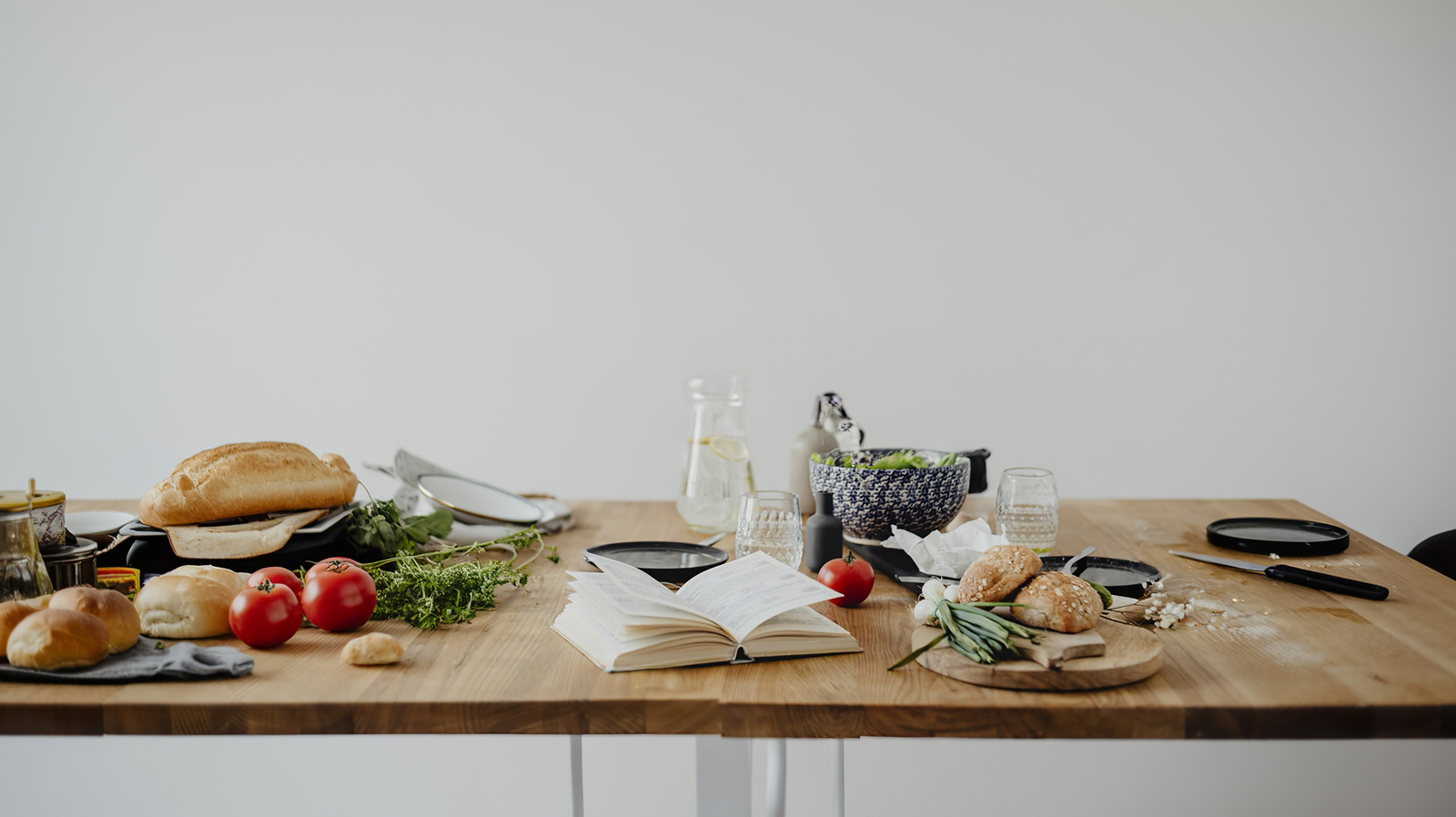
"Eating, serving, and hosting: The dining table serves as the epicenter of some of our most cherished culinary memories. However, this flat workspace can also serve as a convenient landing spot for clutter - although the latter may not be entirely your fault. After all, decision fatigue is particularly high by the end of the day. After working the 9-to-5 grind, even micro decisions, such as where to put the junk mail, can feel mentally draining."
"If you have an iron-clad system for organizing things but your dining table still feels messy, certain design choices may be working against you. Adding too many things at once is a rookie mistake when decorating the dining room, and the same principle applies to table decor. Oversized centerpieces, excessive placemats, and chaotic tablecloths can make the dining table feel busy and visually overwhelming."
"Bigger isn't always better, and this certainly applies to your dining table decor. A centerpiece is meant to draw your loved ones together and encourage people to linger on at the dinner table. But if an oversized display is blocking sightlines and restricting the placement of plates and glassware around the table, you may find people choosing to dine from the couch."
Dining tables function as both gathering spots and convenient landing places for clutter. Decision fatigue after a long workday makes even micro decisions, such as where to place junk mail, feel mentally draining, so small items accumulate. Strict organizing systems can still fail if design choices add visual clutter. Overdecorating with oversized centerpieces, too many placemats, or chaotic tablecloths can obstruct sightlines and reduce usable space. A single appropriately sized centerpiece works for six-seat tables, while eight-seat rectangular tables benefit from a taller focal piece paired with smaller accents. Mindful simplification restores a tranquil dining area.
Read at Tasting Table
Unable to calculate read time
Collection
[
|
...
]