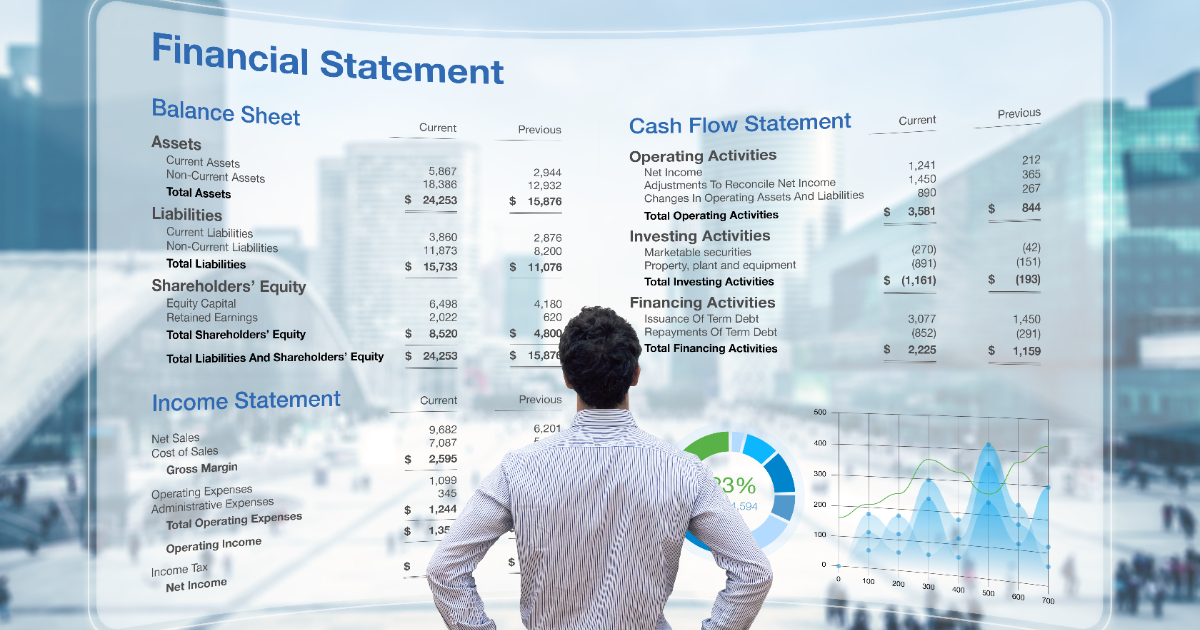
"PDFs optimize for visual fidelity, not semantic data. Tables are rarely represented as table objects, leading to challenges in data extraction and processing."
"In production, extraction failures are not cosmetic. Incorrect parsing can propagate into affordability checks, lending decisions, and regulatory reporting."
"Hybrid parsing with validation, scoring, and fallbacks is the most practical way to handle production variability in PDF table extraction."
"Machine learning-assisted layout detection can improve segmentation and edge cases, but must be guarded by deterministic checks in regulated systems."
PDFs are a critical yet challenging format in banking and fintech, often complicating workflows due to their lack of structured data representation. Tables in PDFs are not defined as objects, leading to issues with layout drift and extraction failures. Stream parsing struggles with complex layouts, while lattice parsing is ineffective with noisy or broken grids. A hybrid approach that incorporates validation and machine learning can enhance extraction accuracy, but must include deterministic checks to ensure reliability in regulated environments.
Read at InfoQ
Unable to calculate read time
Collection
[
|
...
]