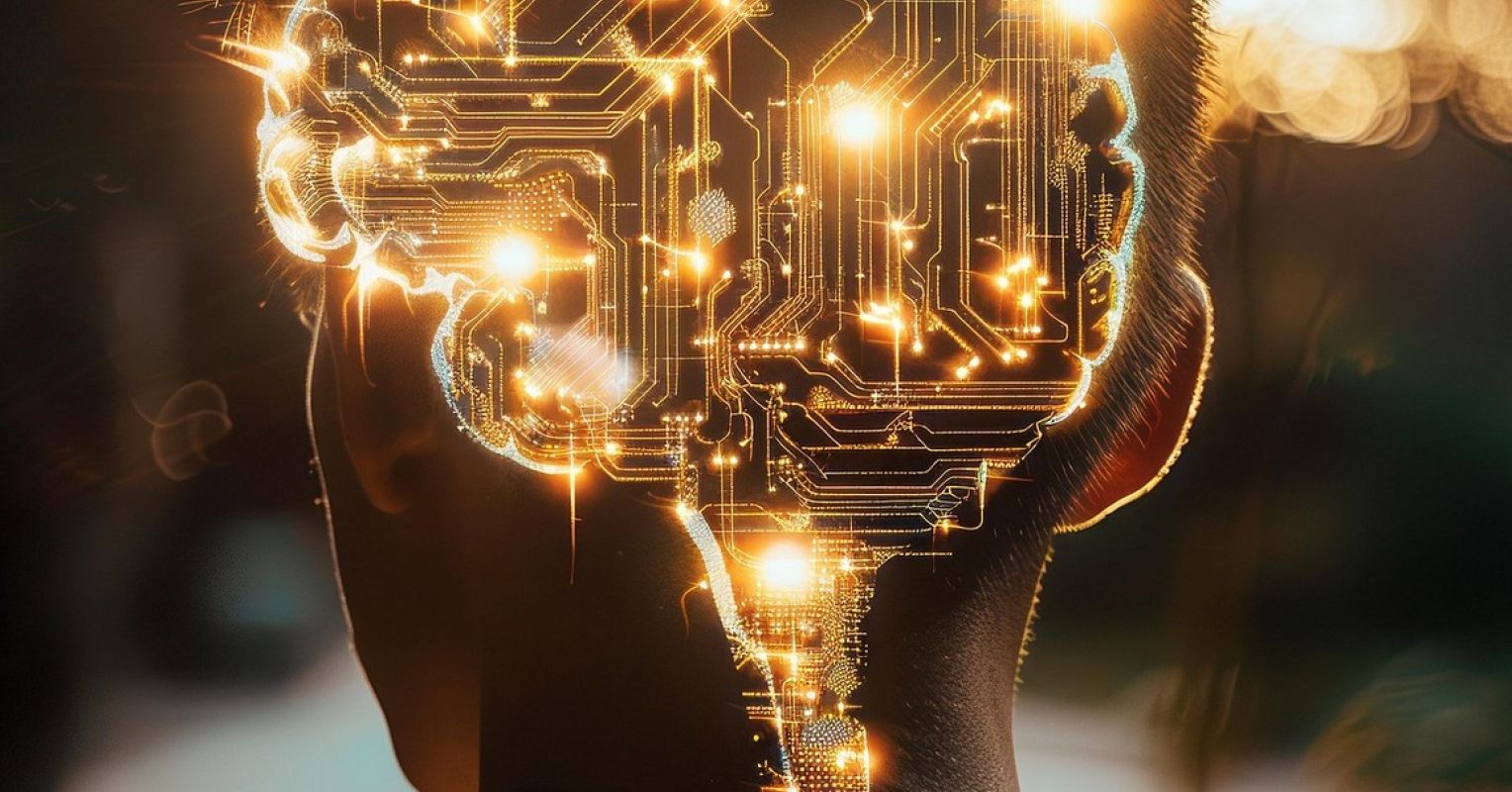
"The new model promise to vastly accelerate neuroscience research and promote understanding of the human brain, offering an in silico alternative that may greatly accelerate neuroscience research on how our brains work."
"AI is rapidly being applied in neurological imaging, diagnostics, early disease detection, neurotech devices, wearable brain monitors, surgical support, precision medicine, drug discovery, and neuroscience research."
"The FAIR research team created a foundational model called TRansfomer for In-silico Brain Experiments (TRIBE), capable of processing video, audio, and text, in order to predict human brain responses."
"TRIBE v2 is based on the architecture of an earlier version that won first place in the Algonauts 2025 Challenge, a biennial challenge in computational neuroscience to evaluate model performance in predicting human brain activity."
A new AI model acts as a 'digital twin' of the human brain, predicting brain activity from visual, auditory, and language stimuli. This model, TRIBE v2, enhances neuroscience research by providing an in silico alternative to traditional in vivo experiments. AI applications in neurology are expanding, with a projected market of $2.5 billion by 2030. Unlike existing narrow AI models, TRIBE v2 processes multiple stimuli, improving predictions of human brain responses and advancing the understanding of brain function.
Read at Psychology Today
Unable to calculate read time
Collection
[
|
...
]