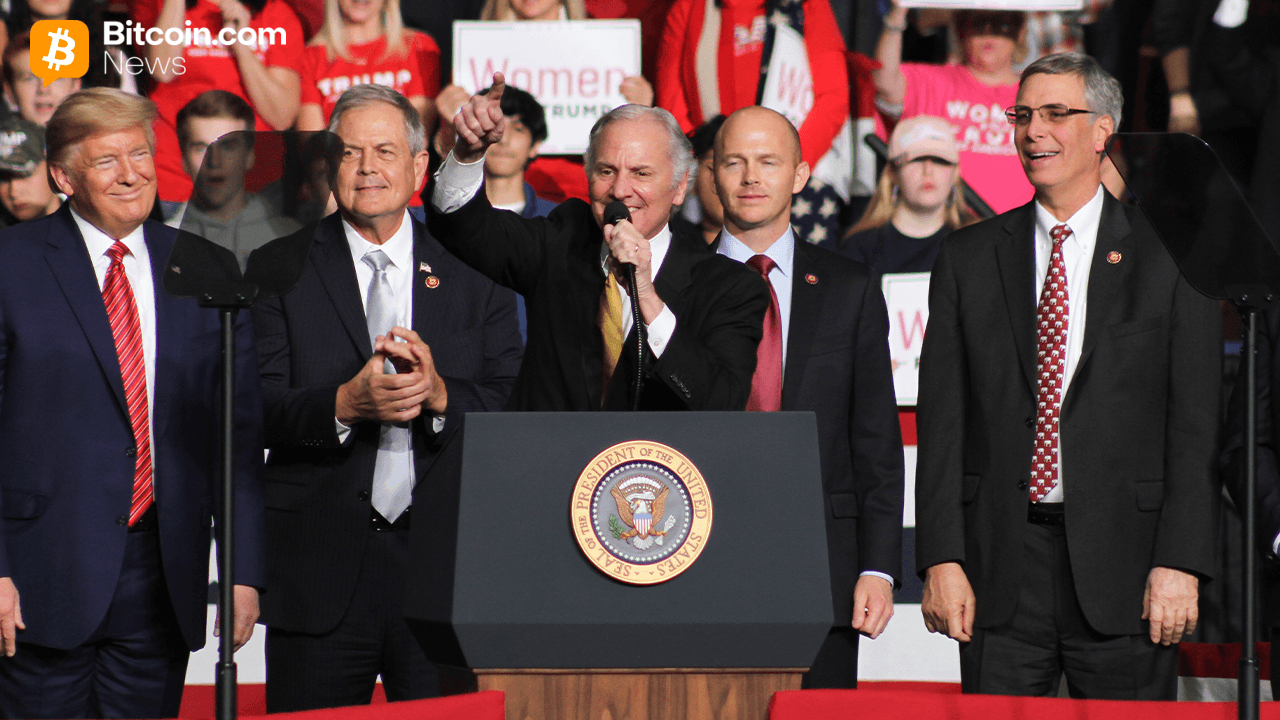
Gov. McMaster signed S.163 into law, creating strong crypto protections in South Carolina. The law bans all state governing authorities, including boards, commissions, departments, agencies, and political subdivisions, from accepting or requiring payments in a Federal Reserve central bank digital currency and from participating in any federal CBDC pilot program. CBDC is defined as a digital currency issued directly by the Federal Reserve or a federal agency, excluding privately issued, asset-backed stablecoins. Individuals and businesses can accept digital assets, including cryptocurrencies, stablecoins, and non-fungible tokens, for legal goods and services. The law protects the use of self-hosted and hardware wallets for self-custody and establishes tax neutrality between digital asset payments and U.S. dollar transactions. Crypto miners in industrially zoned areas receive zoning relief and licensing exemptions, with local governments limited in imposing additional sound restrictions and required to provide notice and a public comment period for rezoning.
"The bill passed 110-1 in the House and bans state agencies from accepting or testing any Federal Reserve central bank digital currency (CBDC). South Carolina joins Texas and Florida in offering miners and blockchain operators zoning relief and licensing exemptions. The legislation, formally designated R131 and adding Chapter 47 to Title 34 of the South Carolina Code of Laws, took effect immediately upon signing. It cleared the Senate 38-1 and passed the House 110-1, signaling broad agreement across party lines."
"The law bars all state governing authorities, including boards, commissions, departments, agencies, and political subdivisions, from accepting or requiring payments in a central bank digital currency. State entities are also prohibited from participating in any federal CBDC pilot program. The bill defines CBDC as a digital currency issued directly by the Federal Reserve or a federal agency, excluding privately issued, asset-backed stablecoins. Individuals and businesses operating in South Carolina can now freely accept digital assets, including virtual currencies, cryptocurrencies, stablecoins, and non-fungible tokens, as payment for legal goods and services."
"The law explicitly protects the right to use self-hosted wallets and hardware wallets for self-custody. On taxation, the bill establishes neutrality between digital asset payments and U.S. dollar transactions. Merchants and individuals cannot face additional taxes, withholdings, or charges simply because a payment was made in cryptocurrency rather than fiat. Crypto miners operating in industrially zoned areas also gain specific protections."
"Local governments cannot impose sound restrictions beyond those applied to other industrial businesses, and rezoning cannot proceed without proper notice and a public comment period. Mining businesses drawing more than one megawatt of power must provide pow"
Read at news.bitcoin.com
Unable to calculate read time
Collection
[
|
...
]