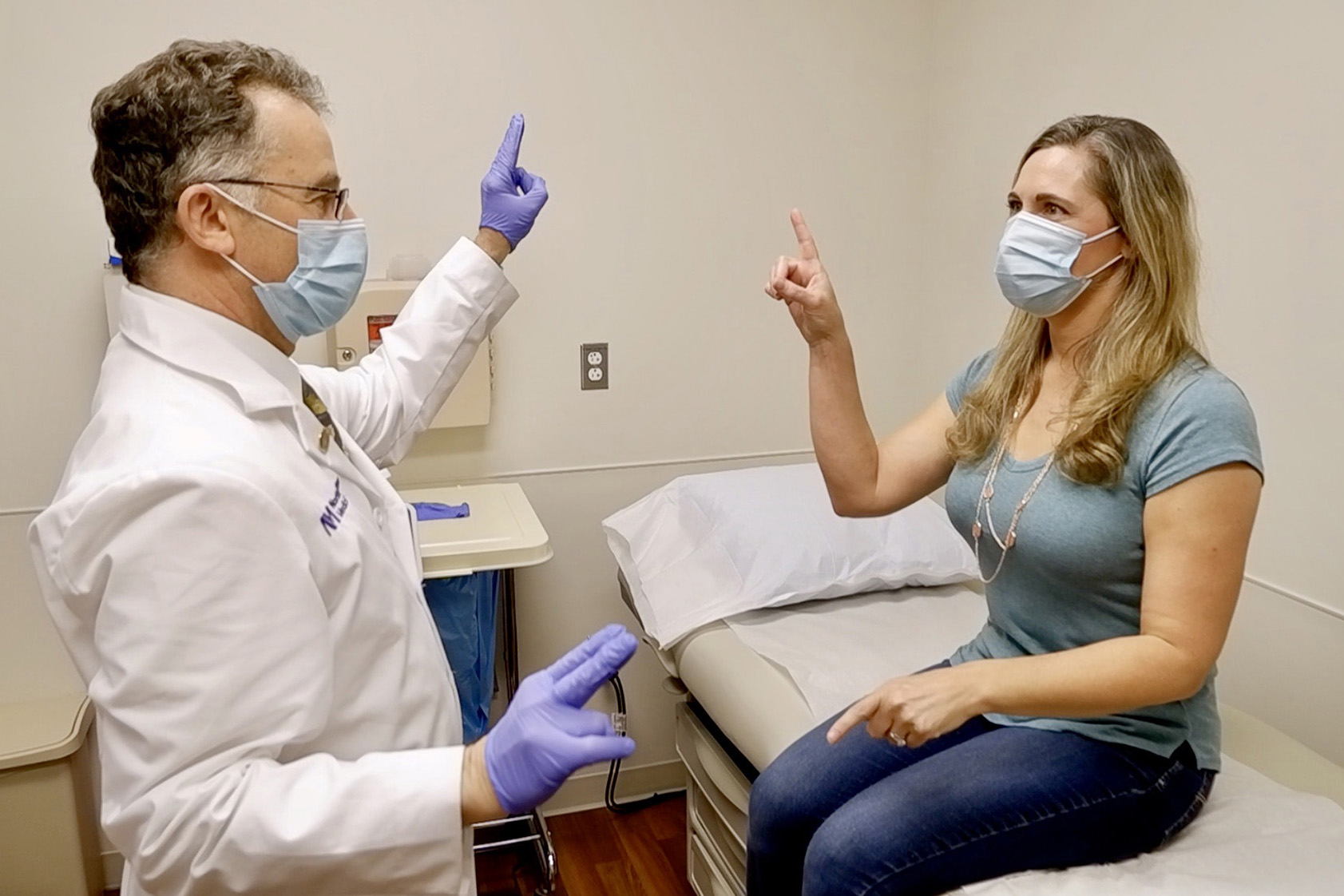
More than 3,100 adults with long COVID evaluated at academic centers in the U.S., Colombia, Nigeria, and India show markedly different neurological and psychological symptom rates across countries. Non-hospitalized patients reported the highest brain fog prevalence in the U.S. (86%), compared with Nigeria (63%), Colombia (62%), and India (15%). Psychological distress followed a similar pattern, with nearly 75% of non-hospitalized U.S. patients reporting depression or anxiety versus about 40% in Colombia and under 20% in Nigeria and India. Cultural stigma, religiosity, health literacy, and access to neurological and mental healthcare likely influence reporting and measured symptom burden.
"The study, the first cross-continental comparison of long COVID neurological manifestations, tracked more than 3,100 adults with long COVID evaluated at academic medical centers in Chicago; Medellín, Colombia; Lagos, Nigeria; and Jaipur, India. Among patients who were not hospitalized during their COVID infections (the majority in the study), 86 percent in the U.S. reported brain fog, compared with only 63 percent in Nigeria, 62 percent in Colombia and 15 percent in India."
"Patients with long COVID-19 in the U.S. report far higher rates of brain fog, depression and cognitive symptoms than patients in countries such as India and Nigeria, according to a large international study led by Northwestern Medicine and published in Frontiers in Human Neuroscience. The authors note that higher reported symptom burden in the U.S. may reflect lower stigma and greater access to neurological and mental healthcare, rather than more severe disease."
""Cultural denial of mood disorder symptoms as well as a combination of stigma, misperceptions, religiosity and belief systems, and lack of health literacy may contribute to biased reporting. This may be compounded by a dearth of mental health providers and perceived treatment options in those countries," Koralnik said."
Read at News Center
Unable to calculate read time
Collection
[
|
...
]