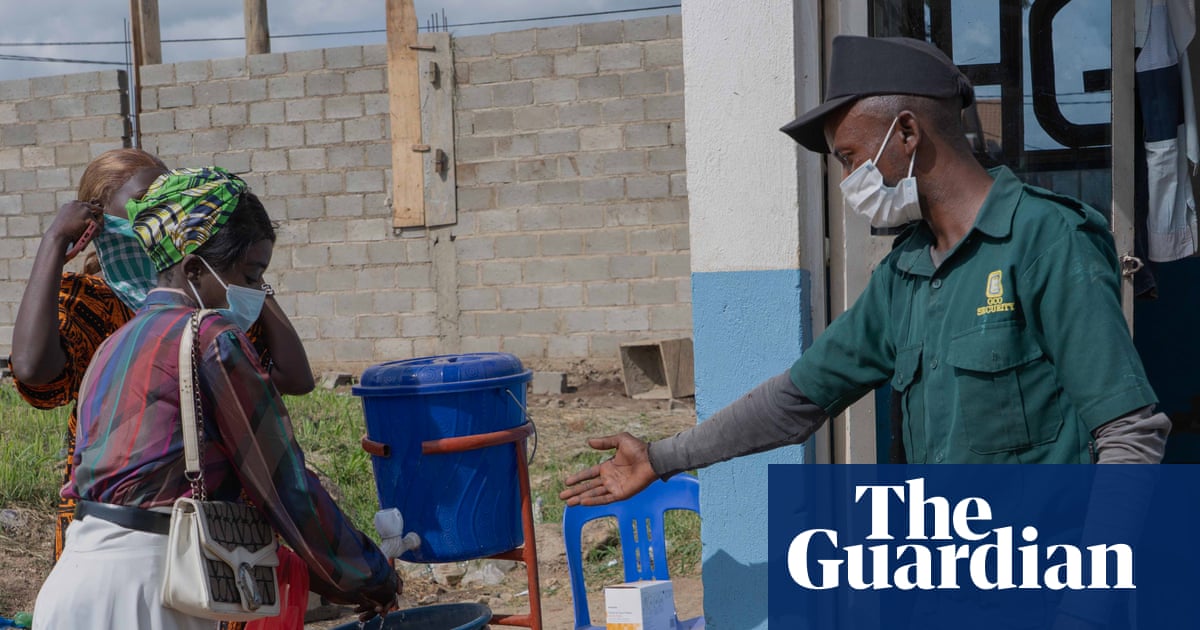
"On public transport, in bars and at mass gatherings, everyone is talking about Ebola, said Gloire Mumbesa, 38, a resident of Mongbwalu, a mining town in the Democratic Republic of the Congo. He said cases of the disease had been reported locally and panic was engulfing the area because of the lack of a vaccine for the Bundibudyo strain. The fear is that this disease may spread to many other areas."
"Residents of Ituri province in eastern DRC, where the World Health Organization announced an outbreak of Ebola last week, are living in growing fear of the possible continued spread of the disease and its deadly impacts, nearly six years after the last outbreak in the region ended. We're stunned by the resurgence of Ebola in our region, said Dieudonne Lossadekana, 51, a civil society coordinator in Bunia city, where the first suspected case was reported. We've already recorded several dozen deaths. For us, it is heartbreaking."
"The economic impacts of the outbreak are a key worry, with residents concerned that authorities may impose restrictions that would hinder them from earning a living in a region plagued by armed conflict and where people are already struggling financially. We live in a region where poverty is rife and people live from hand to mouth, said Claude Kasuna, 48, in Irumu territory. When a health emergency like this one strikes, it hits us hard economically."
"The WHO director general, Tedros Adhanom Ghebreyesus, declared the outbreak a public health emergency of international concern after more than 300 suspected cases and 88 deaths were reported in the DRC and two deaths in neighbouring Uganda. The majority of the deaths and suspected cases have been reported in Ituri province, a business centre and migratory hub that borders Uganda and South Sudan. The gold-rich province is the centre of a long-running conflict between militias allied to the Hema and the Lendu, who are fighting over land and the mineral."
Ebola is causing widespread fear in public transport, bars, and mass gatherings in Mongbwalu and across Ituri province in eastern DRC. Residents report local cases and worry about continued spread, especially because no vaccine is available for the Bundibudyo strain. Bunia city has recorded several dozen deaths, and people fear deadly impacts nearly six years after the last regional outbreak ended. Economic concerns are prominent, with residents expecting restrictions that could limit their ability to earn a living in a poverty-stricken area already affected by armed conflict. The WHO declared the outbreak a public health emergency of international concern after more than 300 suspected cases and 88 deaths in the DRC, plus two deaths in neighbouring Uganda. Most cases and deaths are in Ituri, a migratory hub bordering Uganda and South Sudan, where conflict between Hema- and Lendu-allied militias has killed over 50,000 people.
Read at www.theguardian.com
Unable to calculate read time
Collection
[
|
...
]