#public-health-emergency
#public-health-emergency
[ follow ]
#ebola #uganda #democratic-republic-of-congo #who #meningitis-b-outbreak #contact-tracing #ituri-province

fromwww.theguardian.com
3 days agoDeclare climate crisis a global public health emergency, experts tell WHO
The climate crisis should be declared a global public health emergency by the World Health Organization, or millions more people will die unnecessarily, leading international experts have said. The independent pan-European commission on climate and health, which was convened by the WHO, concluded the climate crisis was such a worldwide threat to health that the WHO should declare it a public health emergency of international concern (Pheic). The international spread of vector-borne disease, such as dengue and chikungunya, as well as the health impacts of extreme weather events, global heating, food insecurity and air pollution make a Pheic necessary, said the commission's report.
Public health
Madrid food
fromJezebel
1 week agoCuba Is Now Drowning in a Sea of Burning Trash and Disease While the U.S. Looks On
Cuba faces severe infrastructure collapse due to fuel shortages and sanctions, causing widespread blackouts, inadequate trash collection, and public health crises including toxic air pollution from uncontrolled garbage burning.


#meningitis-b-outbreak

Public health
fromLondon Business News | Londonlovesbusiness.com
2 months agoMeningitis is looking 'like a super-spreader event' as cases rise - London Business News | Londonlovesbusiness.com
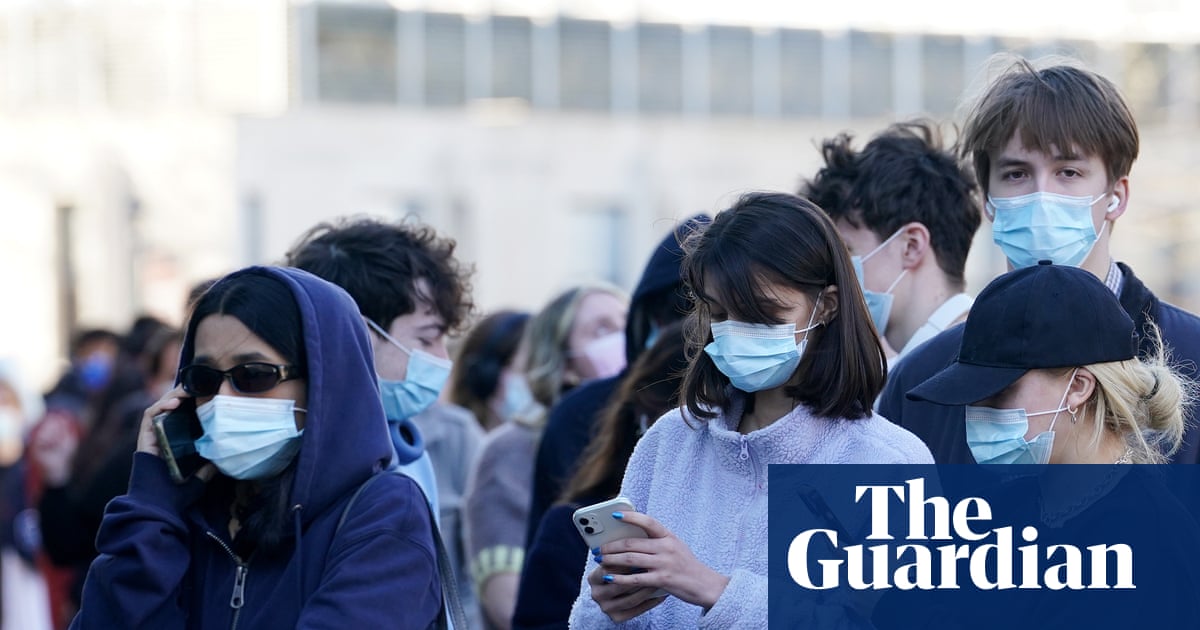
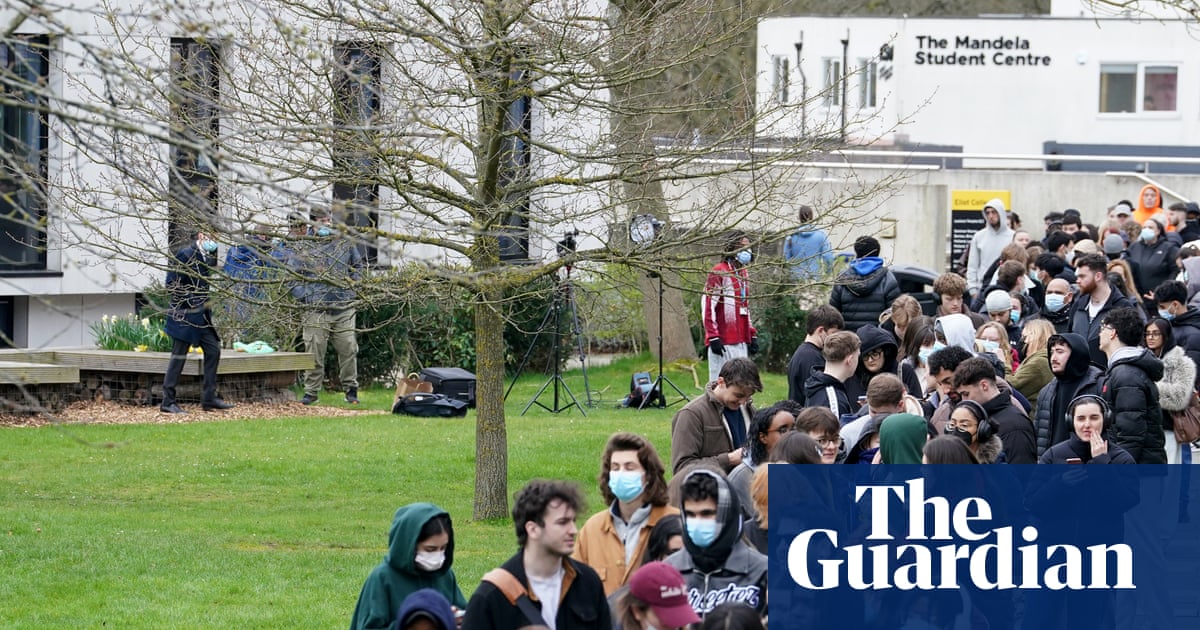
A rapidly escalating meningitis B outbreak in Kent has confirmed 9 cases with 11 under investigation, prompting emergency vaccination and antibiotic programs for university students and nightclub visitors.
#meningitis-outbreak
Coronavirus
fromwww.bbc.com
2 months agoUni student among two dead in Kent meningitis outbreak
Two deaths and 11 hospitalizations from an invasive meningitis outbreak in Canterbury, primarily affecting University of Kent students aged 18-21, with over 30,000 people being contacted and antibiotics distributed.
Coronavirus
fromwww.scientificamerican.com
2 months agoDeadly campus meningitis outbreak in the U.K. kills 2, sickens many more
A meningococcal meningitis outbreak in the U.K. has killed at least two students and sickened over 11 people, with tens of thousands potentially affected despite vaccine availability.
fromThe Local France
2 months agoDeath toll from last summer's French heatwaves nearly 6,000
A total 5,722 people died as a direct result of the summer heat in 2025, the third hottest summer on record and one which featured two severe extended heatwaves in late June/early July and in the middle of August, a Santé Publique France report shows. Of those fatalities, more than 1,900 were attributed directly to heat exposure - which represented 12 percent of all deaths during the periods of high heat.
France news
fromenglish.elpais.com
7 months agoJourney to the heart of kush, the drug devastating West Africa
The room smells of sweat and fear. A thick chain with a padlock seals the barred door, and inside, three young people lie on mattresses on the floor, dozing off thanks to a mix of exhaustion and diazepam. Every so often, nurse Saio Keita approaches to check their vital signs, and the youths stir in their half-sleep. Ibrahima (a fictitious name) is one of them. Connected to an IV drip, he watches her expressionlessly and dazed from somewhere deep within his mind.
Public health
Public health
fromwww.theguardian.com
8 months agoBotswana's president declares health emergency over supply shortages
Botswana declared a public health emergency after critical shortages of medicines and supplies, reallocating emergency funds and military oversight to stabilize the medical supply chain.
fromInsideHook
9 months agoReport: WHO Emergency Declaration Hasn't Stopped Mpox
The extremely limited availability of mpox vaccines in DRC has already drastically reduced the reach of the national strategic plan for vaccination against mpox. This means that without improved access to vaccines, thousands of people may be left unprotected.
Public health
[ Load more ]