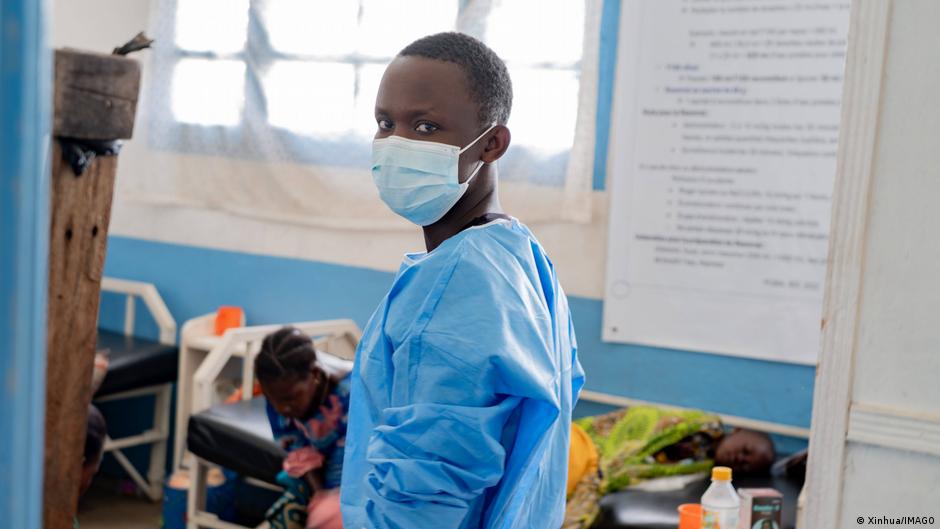
Since 2000, Ebola outbreaks have occurred almost every year, but most have been linked to the Zaire strain, for which a vaccine has been developed. The current outbreak is caused by the rarer Bundibugyo strain first reported in Uganda in 2007. No vaccine or drug exists for this strain, which kills about one in three infected people. The outbreak in eastern Democratic Republic of Congo and Uganda is the third Bundibugyo-related epidemic and has already become the deadliest so far. The WHO reports at least 139 deaths and about 600 suspected cases, with expectations that numbers will change as surveillance, contact tracing, and laboratory testing expand. The WHO declared an international health emergency after learning the virus had been spreading unnoticed for weeks, and health experts are working to contain it while managing their own safety risks.
"Since the turn of the millennium, there has been a new Ebola outbreak almost every year. Most Ebola outbreaks, including a devastating epidemic several years ago that caused at least 11,000 deaths in West Africa between 2014 and 2016, can be traced back to the Zaire strain, for which a vaccine has now been developed. The latest outbreak is, however, caused by the rare Bundibugyo strain, which is named after a region in Uganda where it was first reported in 2007."
"There is neither a vaccine nor drug to fight this strain, which kills around one in three of those it infects. The current outbreak in the eastern Democratic Republic of Congo (DRC) and Uganda is the third and already deadliest Bundibugyo-related epidemic so far. As of Wednesday, at least 139 people were thought to have died, with an additional 600 suspected cases, according to the World Health Organization (WHO)."
""I'm deeply concerned about the scale and speed of the epidemic," said WHO Director-General Tedros Adhanom at this week's UN General Assembly in the Swiss city of Geneva. He also warned that "these numbers will change as field operations are scaling up, including strengthening surveillance, contact tracing, and laboratory testing.""
"As soon as he became aware of the outbreak, Tedros immediately declared an international health emergency, without first consulting experts, which is customary. This is because the virus had reportedly been spreading unnoticed for several weeks already. Health experts are now racing to contain the virus and putting their own safety at risk in the process."
Read at www.dw.com
Unable to calculate read time
Collection
[
|
...
]