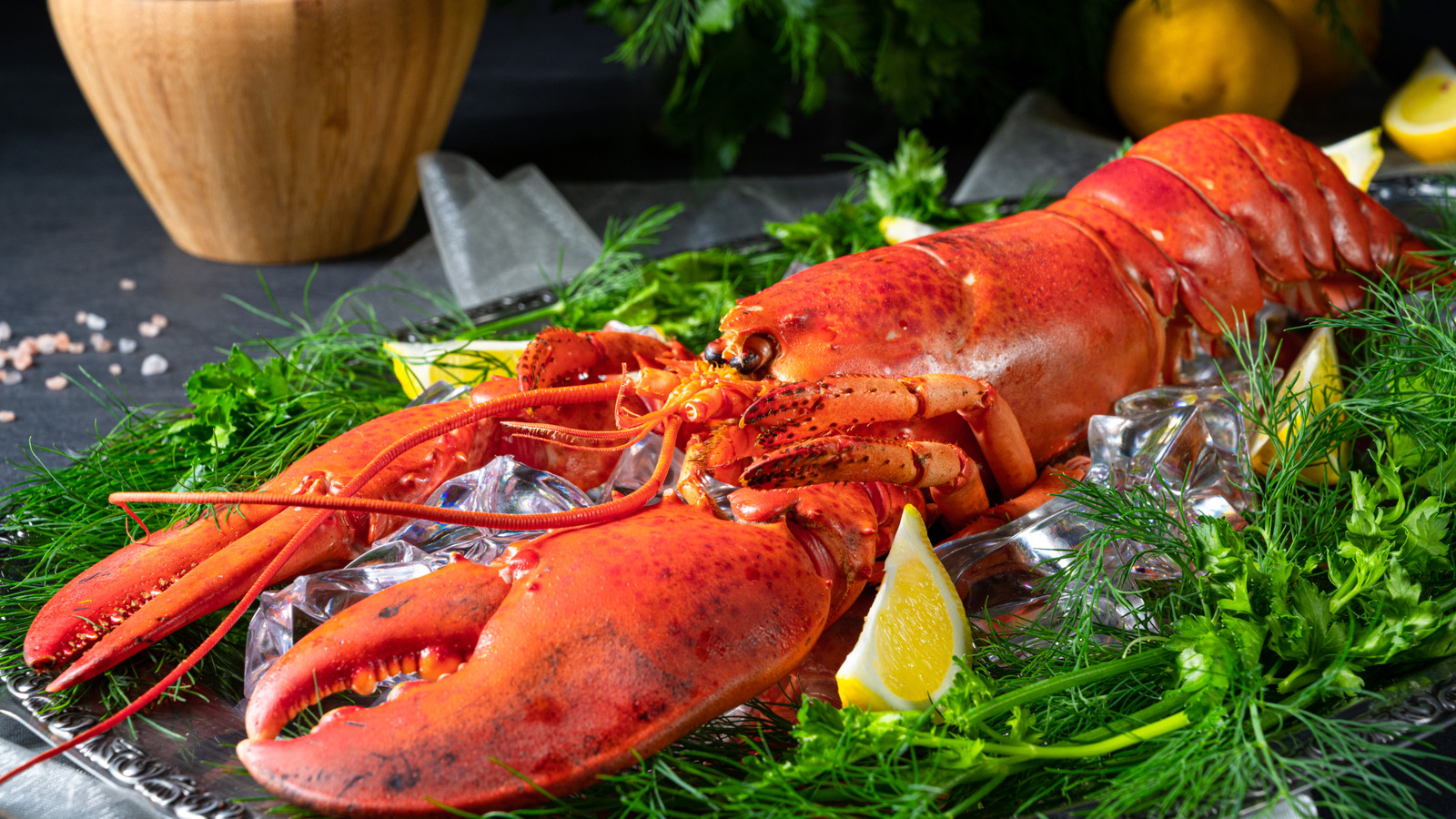
"But when you pull off that tail section, you will reveal inside the cavity something that stands out against all of the pink and white flesh - a strange green paste. For many bib-clad lobster eaters, this green stuff ends up in the bin along with the scraps of cracked and empty shells, but they don't know what they are missing. That green paste is called tomalley, and despite its potentially off-putting appearance, it's a part of the lobster experience begging to be savored."
"It certainly isn't the most visually-appealing part of the crustacean, but looks can be deceiving. Tomalley is fatty and rich, but unlike other organ meats you might have tried, the taste isn't all that different from the rest of the flesh. It is almost like a lobster concentrate, packing an exceptional amount of flavor into even the tiniest scoop on the end of your lobster fork."
"The simplest way to make use of lobster tomalley is to treat it like you might a nice pate. The texture is that of a thick paste, so it is ideal for spreading onto bread or crackers. It is already quite rich, but spread on a piece of crusty white bread with a few drops of melted butter and a light spritz of lemon on top, tomalley makes an excellent bite."
The lobster tomalley is the hepatopancreas, an organ that acts in roles similar to both a liver and a pancreas. The paste appears green and may seem off-putting, but it is fatty, rich, and carries a flavor profile close to the rest of the lobster meat. The taste functions like a concentrated lobster essence, delivering exceptional flavor in tiny amounts. The texture is thick and spreadable, making tomalley ideal as a pate on bread or crackers with butter and lemon. Tomalley also mixes well into soups and stews and offers versatile culinary potential for enhancing seafood dishes and sauces.
Read at Tasting Table
Unable to calculate read time
Collection
[
|
...
]