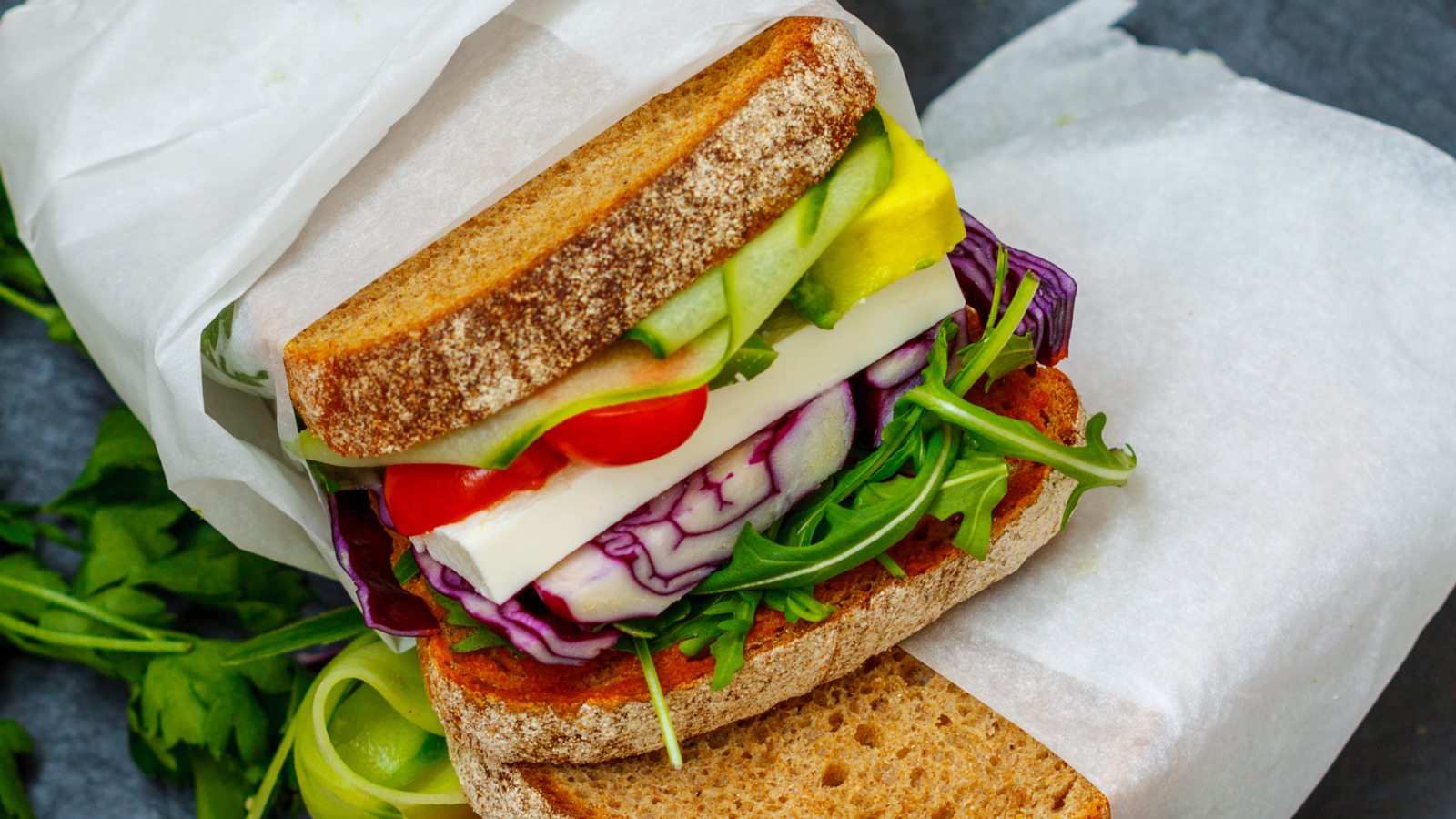
People often overlook material choices when storing food in the refrigerator because fire risk is negligible. Parchment paper absorbs moisture, softens in cold, and can adhere to food, making it a poor long-term wrapping option. Parchment paper consists of cellulose coated with a thin layer of food-safe silicone that provides nonstick properties but only partial water resistance. Prolonged exposure to moist foods or humid refrigerator air will degrade parchment, and some brands coat only one shiny side. Wax paper uses a soybean or paraffin wax coating, is waterproof, protects food from humidity, and helps retain moisture and texture.
"Parchment paper is made by coating cellulose paper with a very thin layer of food-safe silicone. This is what gives it a non-stick coating that's suitable for use in the oven, and what differentiates it from other kitchen papers such as wax paper. This silicone layer does make parchment paper water resistant, but it's not completely waterproof. The paper will break down with prolonged exposure to the moisture in food or the moist air in the refrigerator."
"Wax paper is often confused for parchment paper, but the two differ in their coating. Wax paper, as the name suggests, has a layer of soybean or paraffin wax applied to the surface. The wax makes it unsuitable for use in cooking but does mean the paper is waterproof. This waterproofing works in two beneficial ways - it helps protect your food from the humidity of the fridge, but also retains the moisture and texture of cooked food."
Read at Tasting Table
Unable to calculate read time
Collection
[
|
...
]