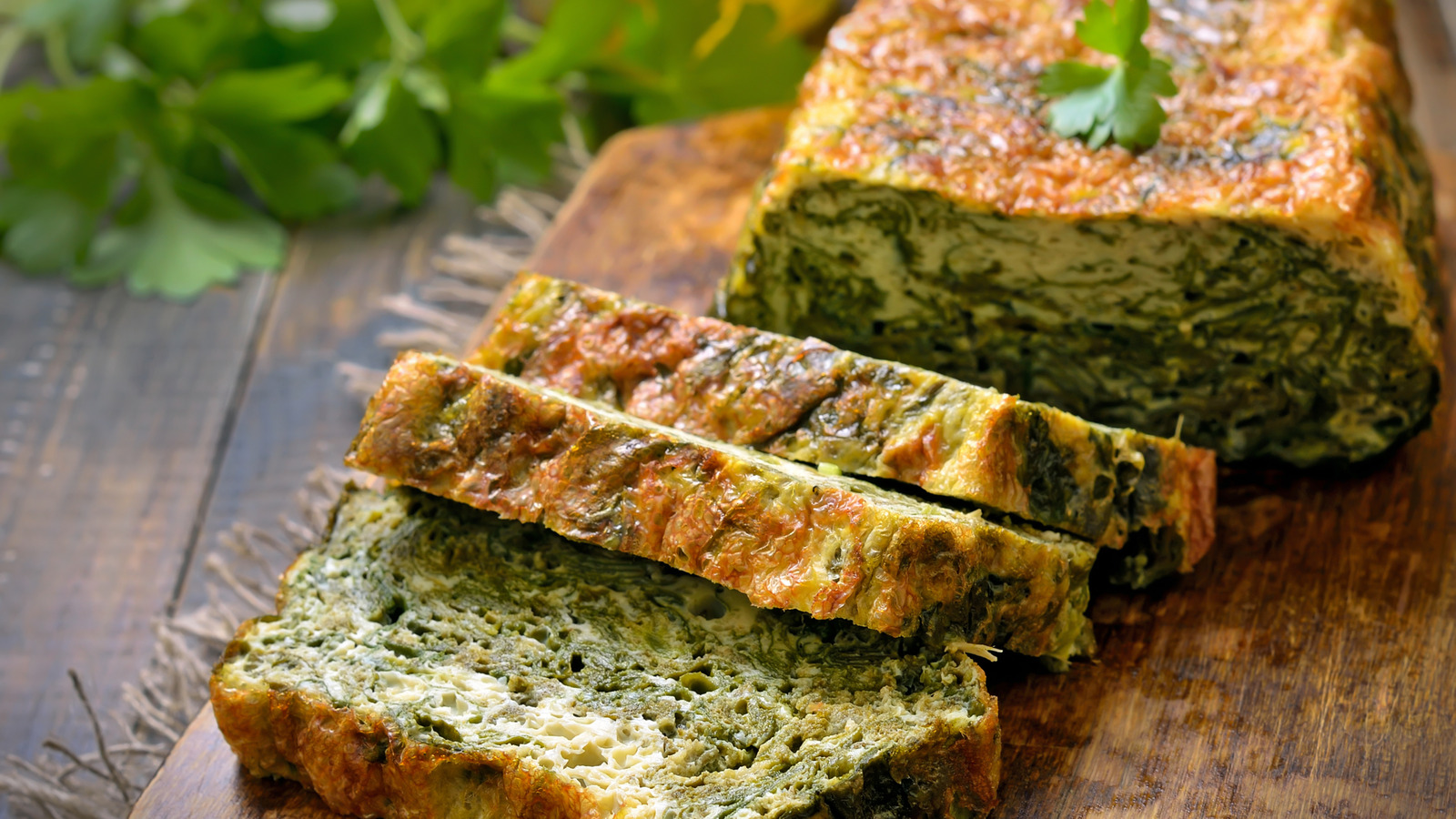
"When Americans were encouraged to go meatless during World War I, meat-free recipes were printed in newspapers, complete with images showing that a meatless menu didn't have to look all that different from the original, fully-fledged animal-including iterations. Even after the war ended, some of these recipes stuck around - like a meatless meatloaf. Cowpeas, cheese, and nuts were used to replace animal-based ingredients, and mixtures to make meatless loaves called for an assortment of items that could be customized by the chef."
"Cheese and bean or nut loaves offer culinary platforms for chefs to express a bit of creativity by inviting different flavors and ingredients into recipes. A variety of cheeses, mushrooms, and herbs can be incorporated into these meatless recipes for maximum enjoyment. Onions, bell peppers, and butter mixed with cheeses like Colby or Swiss are mixed together and set inside a bread pan to bake. Some cooks use pecans, cottage cheese, or Rice Krispies to add texture and taste to the dish."
Meatless meatloaves originated as wartime substitutes when Americans were encouraged to go meatless during World War I, and meat-free recipes appeared in newspapers with images showing similar appearance to traditional loaves. Cowpeas, cheese, and nuts were used to replace animal ingredients, and recipes offered customizable mixtures. Cheese-and-walnut loaves date to the 1920s; lentils, chestnut mushrooms, and cheese also featured in later versions. Modern cooks assemble beans, nuts, cheeses, mushrooms, herbs, and vegetables in a bread pan and bake, slicing the loaves like meatloaf and using leftovers for sandwiches or reheated meals.
Read at Tasting Table
Unable to calculate read time
Collection
[
|
...
]