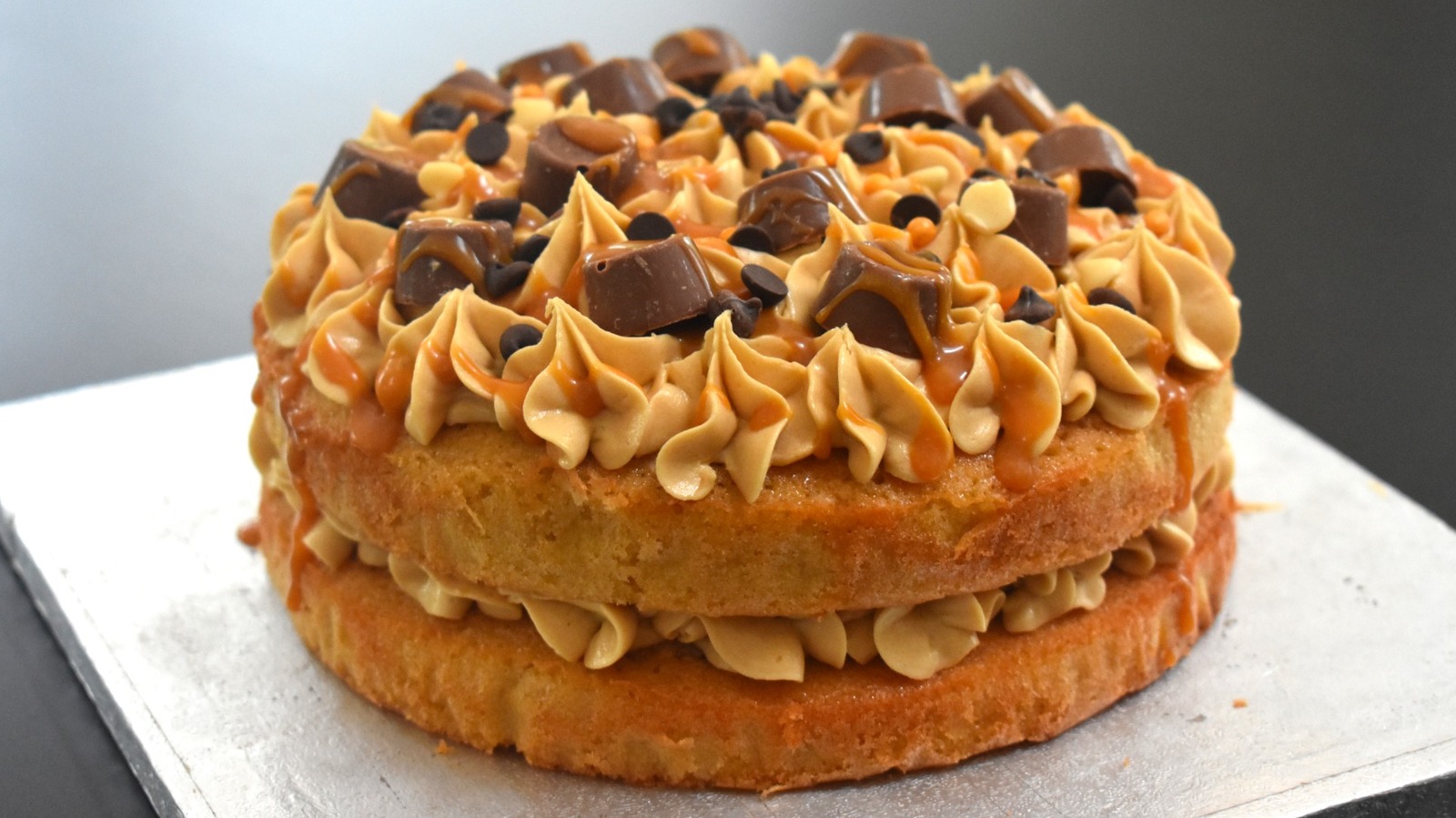
"Caramel sauce and buttercream frosting are simple in composition yet surprisingly difficult to perfect, making caramel frosting seem doubly intimidating. But with careful execution and some expert advice, a silky, delicious frosting is well within your reach. We asked Eric Lanlard, baker, pastry chef, author, and TV host of "Baking Mad with Eric Lanlard" and "Glamour Puds," how to avoid the worst (and most common) caramel frosting mistake."
"Above all else, Lanlard cautions: Never leave simmering caramel unattended. This is a mistake everyone makes with caramel, yet some cooks still underestimate the danger. "Caramel can go from perfect to burnt within seconds," Lanlard says. "Once it crosses the line into bitterness, it becomes unusable. It can also bubble up and overflow, becoming a burn hazard." He also notes that home cooks should be careful even after taking caramel off the stove, as residual heat will continue to cook it."
"Ensure you won't have to walk away from the caramelizing sugar by completing other duties beforehand - multitasking and caramel go together like vinegar and a paper cut. If the caramel still overcooks by a smidge, Lanlard says "[remove] it from heat immediately, adding a splash of cream or milk to dilute the bitterness and stir in a touch of vanilla or a pinch of salt to rebalance.""
Caramel requires constant attention because it can go from perfect to burnt within seconds and can bubble up and overflow. Complete other tasks before caramelizing sugar to avoid stepping away. Cook sugar over medium heat and avoid stirring once the sugar melts; swirl gently instead to prevent crystallization. Remove slightly overcooked caramel from heat immediately and add a splash of cream or milk, plus vanilla or a pinch of salt, to rebalance flavors. If caramel smells acrid or tastes bitter it cannot be salvaged. Remember residual heat continues to cook caramel after removal from the stove.
Read at Tasting Table
Unable to calculate read time
Collection
[
|
...
]