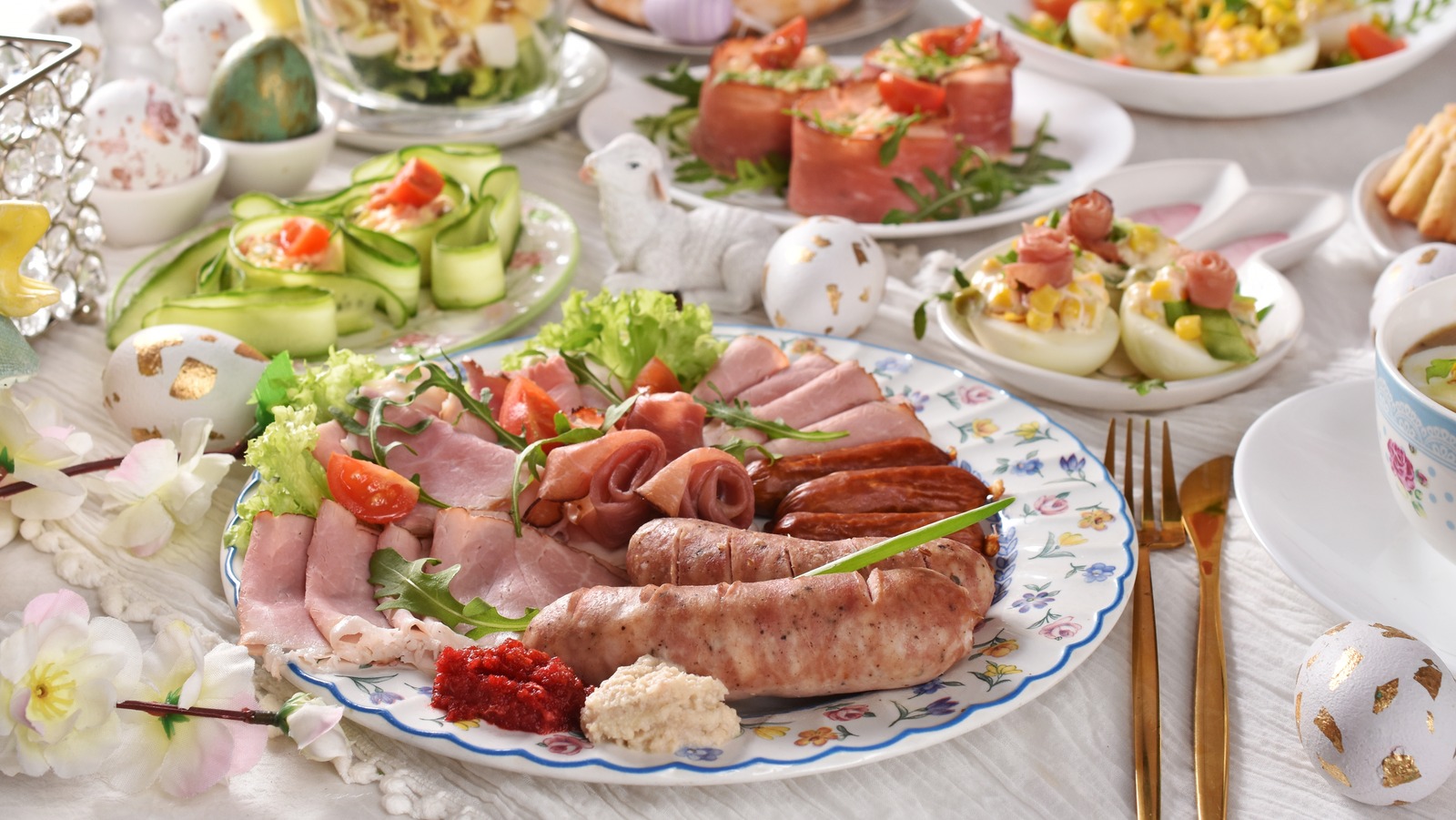
"Fresh polish sausages are made of raw, semi-finely ground pork, sometimes beef or veal, and they are usually seasoned simply, with garlic, marjoram, and pepper. The key factor in considering the optimal cooking method for your kiełbasa is the "raw" part. Throwing fresh Polish sausage straight onto a hot grill is a way to get it to be cooked through to edibility, but it can cause quality-affecting problems, like burst casings or an uneven, charred exterior wrapped around a still-raw center."
"The trick is to poach, or parboil, the sausage first. This method is also sometimes called braising. It gently brings the meat up to temperature without shocking the casing or forcing the fat out too quickly. Instead of languishing under aggressive heat, the sausage will cook evenly in the bath of hot liquid, which keeps the interior juicy and cohesive. When it gets to a grill or a dry pan, the sausage is already cooked through, but just barely."
"Poaching a sausage is actually a lot easier than it sounds, and it's certainly way simpler than poaching an egg, which can get pretty fiddly. To try this sausage cooking technique, place the links in a wide pan and cover them with water, broth, or a mix of water and beer. Aromatics like garlic, bay leaf, onion, or peppercorns can be added, but they're not crucial."
Fresh Polish sausages (kiełbasa) are raw, semi‑finely ground pork, sometimes beef or veal, typically seasoned with garlic, marjoram, and pepper. Directly grilling raw links risks burst casings, uneven charring, and a raw center. Poaching or parboiling the sausages in water, broth, or a water‑beer mix gently raises internal temperature without shocking casings or forcing out fat, producing an evenly cooked, juicy interior. After poaching, briefly searing on a grill or in a pan crisps the exterior while using high heat only as a finishing step. Aromatics like garlic, bay leaf, onion, or peppercorns can flavor the poaching liquid.
Read at Tasting Table
Unable to calculate read time
Collection
[
|
...
]